
Selling With Flair! With Jeroen Corthout
Posted by John Livesay in podcast | 0 comments


Rarely does it happen when a CRM becomes a salesperson’s friend as opposed to another project they have to do. This is how revolutionary Salesflare has become, a CRM system that automatically fills itself out so salespeople don’t have to waste time manually putting information in. On today’s show, Jeroen Corthout, the Cofounder of Salesflare, joins John Livesay to talk about how you can sell with flair and the importance of building stories that take your clients on the complete journey. Don’t miss this episode to hear firsthand how you can start applying these same principles of storytelling to win new clients for your business.
—
Listen to the podcast here
Selling With Flair! With Jeroen Corthout
Our guest is Jeroen Corthout, who is the Cofounder and CEO of Salesflare, which is an intelligent CRM that’s built for businesses selling to businesses. It’s popular with agencies and SaaS companies. Salesflare itself was started when his Cofounder wanted to manage the leads for their software company in an easier way. They didn’t like keeping track of them manually and they built Salesflare which pulls customer data together automatically. One of their awards is the Most Popular CRM on Product Hunt for its ease of use. Welcome to the show.
Thank you. Glad to be here.
I always want to ask people their own story of origin before we get into your company’s story of origin. Take us back to childhood days or college days, wherever you want, to start your own story of how did you get interested in software in general?
From childhood, I always like to build stuff. I would do anything, like camps in the woods or build a catapult or all kinds of stuff. I keep build something to see it there and you’re happy with what you’ve created. At some point, I discovered the joy of building websites. That was when I was 14 or 15. That started with the simple GeoCities websites. I don’t know whether you know that. There are websites where you didn’t have to do much. You put some elements there and you built this silly website. It started evolving into building full websites back then with HTML and Flash, there was a lot of Flash going on back then.
I liked that because you could build anything you wanted. Flash disappeared in the meantime. From there, I figured I was going to start my own a web design agency. When I went to the university, I first had a look at Computer Engineering. I did not like what I saw, it looks nerdy and far from reality. I went a different way and went through Electrotechnical Engineering and from there to get it with Business Management. I went into Biomedical Engineering, which was then a totally different thing. It felt more impactful and it felt also like I was learning more but I wanted to start an engineering job. I felt like I want to do something more with customers. I missed that aspect much. I didn’t want to be purely building things.
I wanted to build things for people not being disassociated with the customers. I went to business school. From there, I figured that the best way forward to get some experience is become a product manager in a pharma company. I did that. That was not the right idea. I quickly learned this is a limited role and not at all building your own company or something. When I thought about starting a web agency again, but then for pharma companies, I talked to this guy and he said, “You can join us. We do multichannel for pharma companies.” Everything from websites over CRM, sales, marketing and all that. I did that for four years, did a whole lot of work with Salesforce, for pharma companies internally at the company That’s why I started learning about CRMs and the joy of working with Salesforce. From there, I still figured I want to start my own company. I had a bunch of projects, of which now Salesflare is the first viable one that became a company, all the other ones stopped somewhere.

Salesflare: If you’re a leader in a business, even a smaller one, you might be surprised that many people in your business don’t know all the things you sell.
It’s interesting that you missed the connection and interaction with people as opposed to building things. That’s a part of your personality that’s both engineering-oriented and right brain people-oriented, allows you to have a lot of skills to in fact, run and launch a company. It takes not the tech skill or not just people marketing skills to be successful, you need to have people on your team who complements you where you may not be strong, but also to have that big picture overview which it sounds like you’ve been able to create.
Let’s dig into what made you decide to start Salesflare because I think it’s interesting to hear that typically, you’re first working with pharma companies, helping them with all those different things to make their sales more effective. Yet, Salesforce is something that almost everyone who’s ever had a sales job has used at one point or another. You’re discovering that there’s something not being met because Salesforce couldn’t be customized to pharma or was there something you needed for your own needs that made you want to start this?
It didn’t start from the pharma background. It was more us using Salesforce internally at the consultancy/agency I was working at. That’s also why we have many agencies on the software. A big part of my experience comes from there. We would use it internally. It was my first real CRM. I never understood well how I was supposed to use it as a practical tool. I tried, but I failed. A lot of the things seems like they weren’t built for end users. Certainly, they were built for customization. They were built for organizations to be able to build whatever they like. Let’s say you’re a big enterprise and you want software to adapt to your company completely, then an enterprise CRM like Salesforce is a great choice. When you’re a small company and the company itself is also more interested in something practical, something that’s going to help you sell more, Salesforce is not a great choice. It’s inward-oriented and not so much outward-oriented. It’s organization and not so much end user. I hit a lot of these limits.
What do you mean by agencies? Are we talking ad agencies or PR agencies or consulting agencies?
All of those. We are mostly of marketing agencies, which is partly ad agencies, partly all the types of marketing agencies on the software. On the other hand, also quite some software development agencies.
I used to work in advertising, called on a lot of ad agencies to get them to run their clients’ campaign with the media I was selling. Ad agencies are constantly pitching to win new business. They need something to keep track of their leads, when proposals come in, and all of that kind of thing. Let’s make this concrete for the readers and you graciously offered to do this with me so people can get a real-life example of what you’re doing and how you’re pitching, as an example. You go into an agency. How are you keeping track of your leads? Are you using Salesforce or nothing? What’s your biggest pain point? How do you open up a sales call to get an agency even to consider taking a meeting with you?
[bctt tweet=”Imagine a CRM that fills itself out! Are leads falling between the cracks?” username=”John_Livesay”]
I generally asked what they’re using. I ask how that’s going like if it’s all going to expectations. Are people filling it out to the extent that they are expecting them to fill it out and using this ram to the extent that they’re expecting them to use it? Almost invariably, you will hit a pain point there because nobody fills out a CRM to the extent that they’re supposed to and nobody uses it to the extent that they’re supposed to. That gives me the opportunity to show them that we built a system that fills out itself largely so it’s based on existing data. It’s based on your emails, calendar, phone, social media company database, and it offers the information to you so you can curate it rather than you having to manually input things into a CRM, which then has two big benefits.
One, salespeople are going to use the CRM and make more sales in it because that’s what the CRM can help them with that it’s not dependent on their manual input. Second, for sales managers, that’s often where the story starts, makes it easy for them to create transparency and accountability with their first sales hires or with their existing sales team. Many of our sales conversations start when people hired their first salesperson or first few sales people or when their sales team has outgrown the sheets that they made or something or outgrown the system that they were using. The sales team or the sales manager mostly wants to get a better grasp on what’s happening and it’s not appearing in the CRM. That’s usually where the story starts.
If we’re going to make this applicable to everyone reading, the first thing you need to do is ask questions to find the pain point. Oftentimes, people will ask you, “What’s your secret sauce?” You need to have an answer ready to go whether you’re pitching an investor or pitching a potential new client. What you did well I thought was turned it into a benefit right away. I like that you said the story starts there because what I do with clients is turn these case studies into case stories. If we were to talk about getting someone’s attention even to take a meeting, sometimes it’s frustrating.
A good pitch is clear, concise and compelling. If we were to take what you said and make it slightly more concise so that people instantly get it as opposed to having to wait for the payoffs, they might be a little more intrigued sooner than later. What you could say would be something along the lines of, “I’ve been in your shoes. I worked for an agency, we have a lot of clients like you and then what they’re struggling with.” If you introduce the word struggling, that automatically is typically followed by a pain point so that people lean in and because their whole goal is to get people to see themselves in your story.
“Another agency like you were struggling, because their sales team was not filling out the information. They resented having to do it. They felt like it was a waste of time and we ourselves experienced that. We created Salesflare which instead of having to input something manually, it gives you information and saves you time. Imagine instead of resenting doing something, it was almost as if you had another assistant giving you tips and suggestions so that leads didn’t get lost and things were more organized, which made you more productive so you could make more sales call. Instead of wasting time filling out a CRM so the management can try to understand what you’re doing and what the problems are, you had a CRM that didn’t waste any of your time, but in fact, saved you time.”
I like how you started with it, “I’ve been in your shoes.” You say that I would come to the lean-in.

Salesflare: People can spot a script right away. Your best people will be the first ones to resist a script because it is disrespectful to them.
The fact that I asked you your story of origin gives you credibility. Let’s take an example of turning a case study into a case story. Let’s say that opening new concept there pulls people in because the whole goal of a pitch, even an elevator pitch or the opening pitch, is to intrigue people enough to say, “That’s interesting you’re on. Tell me more.” When you told me that this thing fills itself out, my next question is, is it using artificial intelligence to do that?
Not really. It’s more algorithms.
It doesn’t matter how it’s doing it, but it’s intrigued me enough to ask a question which continues the conversation. It’s not your pitching. Let’s take a client that’s used you. There are four parts to a great story. The first part is the exposition. Do you have a client in mind that hired you a year ago or so? When did they hire you?
Many years ago.
Can you say the name of the client?
I’d rather not share because what I’m going to share afterwards is a lot more personal.
[bctt tweet=”Perfection is not the goal, but being consistently good is the goal.” username=”John_Livesay”]
A marketing company or an ad agency type? Describe what they do. What kind of company?
It’s rather complex to explain what they do.
Are they an agency?
It’s a software development company.
That’s all we need to know because we want to be describing theoretically, you’re calling on another software development company. The case story that’s exactly like this, what I was saying is business. Many years ago, a software development company based in where? Give us a country.
Southeast Asia, I’ll say. Otherwise, it’s too easy to identify.

Salesflare: If you find yourself having a lot more confidence in the value you offer than how to talk about it, you’re in good company.
That’s the opening of your story. That’s the exposition like a journalist, who, what, where, when. What they were struggling with was? Now, fill-in what their pain points are.
They were having a lot of leads dropping through the cracks. They were not organizing this well enough. They didn’t have it visually in front of them, first of all. Secondly, they didn’t know well what was last discussed with each customer. They didn’t know exactly when to fall, but whom, which meant that they were losing quite some money.
Is there anything that you do that Salesforce doesn’t do around those pain points?
Automatically keep track of what’s been discussed. Our software also nudges you to follow-up the right times based on when you were last in contact and emails that go unanswered and stuff like that.
They’ve started using it. What was the solution? Ideally the solutions are the opposite of the problem. After they used Salesflare for 2 or 3 months, they went from leads falling between the cracks to not one lead being lost. Instead of missing follow-ups, they were nudged a day before and because they were following up more accurately, then describe what happens to their business. Their sales go up as a percentage.
They shared with me that their sales went up by $1 million US a year.
[bctt tweet=”Your everyday business conversations are, in fact, a manageable business issue.” username=”John_Livesay”]
How’s morale?
Our morale is good I think. I don’t know what the morale look like.
Remember, good stories have an emotional hook. It’s not all wonders. People are more competent, they’re sleeping, the management’s happier. Morale is up because the sales reps feel like the management’s not mad at them for losing leads. That’s the secret sauce to storytelling. Any potential new client hearing this case story, instead of a case study that’s boring with stats only, is going, “That’s what we want. Not only do we want more sales, but we want our team to instead of fighting with management and getting yelled at for losing leads and not following up to feel happy working here.” They stay.
The whole thing from start to finish would sound like this, “Many years ago, a marketing software company in Southeast Asia was struggling because their leads were falling between the cracks.” They couldn’t visually get a quick snapshot of what was happening. They forgot when they were supposed to follow-up with people. All of that was causing a lot of tension in the company. Sales managers were constantly hounding the reps, “What about this? What about that? Why haven’t you followed up?” Once they started using Salesflare, all of those problems short time. Leads were no longer falling between the cracks. They weren’t having to waste a lot of time to enter the leads because we automatically did that for them and that’s our secret sauce. A year later, sales are up a million dollars. More importantly, everyone’s happier. There’s no more blame game going on because everyone’s feeling more productive, efficient and the team is running smoothly. “Does that sound like the journey you’d like to go on with us?”
For the readers, if you need some help turning these case studies and stories. Certainly, if you need a CRM that’s going to automatically do it, then the two of us could be a resource for you to not only have better pitches, but also to use a tool that being something you resent to something that you are happy, that’s helping you. When that happens, you’re more productive, and more importantly, you’re feeling proud of the work you’re producing because nobody purposely lets leads fall between the cracks, they’re overwhelmed, they need help. It’s not their fault.
Sales where instead of being a burden becomes like a Sherpa helping somebody climb Mount Everest. That’s what we wanted to talk about was how to use story telling a real-life example so that you’re on can now use this for his sales team who’s going out to pitch because, like myself, I have to sell myself to get companies to hire me as a sales speaker. We all have to sell ourselves all the time. the better we describe stories of why we got hired and what is life like after they hired me to speak or hired him to use Salesflare, and they see themselves in the story, then you’re no longer pushing. That’s the magic of storytelling is that you and your team now can describe a story like that and say, “Does that sound like the journey you’d like to go on with Salesflare?” Instead of like, “Do you want to buy?” It’s a different way to sell.

Salesflare: We need to win hearts and minds inside the organization, just as we try to win hearts and minds outside.
It sounds compelling when you said it like that.
Any last thoughts you want to share with us about your own journey growing Salesflare or your goals for the future or any tips you have?
The advice I’d like to give to the readers is to be able to build these stories and journeys that you want to take people on. It’s important to talk to your own customers that you already have to understand their stories and journeys and to do some customer interviews with them. You can select the best customers you’re having. Invite them to have a call and then to understand the full journey, “This is thing I like to follow,” the jobs to be done methodology, but then the version by Bob Moesta from The ReWired Group. They have an interview about the four forces and that’s a play on any buying decision and it helps to uncover those. It goes from there’s inertia, like what kept people on the old solution. There’s the push of the old solution towards the new one, because there’s something wrong with your solution.
There’s the pool of the new solution, like the brighter world and there’s also an anxiety to go to the new solution. When you’re with your questions uncovering these four things, it’s come to interesting conclusions. Plus, it’s good to take this story as long as possible. When I do these interviews, I don’t ask what they were using before Salesflare, but I also asked what they were using before that and understand what the company was like, who was in charge of these decisions, why they were using these systems, how that worked, things like that. You can clearly visualize the whole journey instead of taking this small snapshot out of it they would normally be taking. That informed a lot of our thinking about why people choose Salesflare over other systems, what they compare with which is invaluable information when you’re building these stories, building up your marketing anything towards customers.
If you want to create a story, make sure you’re creating a story that takes your customers on the full journey, not just part of the journey. Thanks for being on the show. We can find you on LinkedIn and your company Salesflare.com.
Important Links
- Salesflare
- LinkedIn – Jeroen Corthout
- Better Selling Through Storytelling Method Online Course
Wanna Host Your Own Podcast?
Click here to see how my friends at Podetize can help
Purchase John’s new book
John Livesay, The Pitch Whisperer
Share The Show
Did you enjoy the show? I’d love it if you subscribed today and left us a 5-star review!
- Click this link
- Click on the ‘Subscribe’ button below the artwork
- Go to the ‘Ratings and Reviews’ section
- Click on ‘Write a Review’
Love the show? Subscribe, rate, review, and share!
Join The Successful Pitch community today:
- JohnLivesay.com
- John Livesay Facebook
- John Livesay Twitter
- John Livesay LinkedIn
- John Livesay YouTube




Inbox Detox With Thanh Pham
Posted by John Livesay in podcast | 0 comments


Every one of us has had that experience of sitting down to really focus on a task only to be bothered by an email notification. Thanh Pham, the Managing Director at Asian Efficiency, has a program called Inbox Detox, which helps you optimize your email and break free from distraction to become more productive with your work. Thanh’s work at Asian Efficiency is all about helping people become more productive by maximizing their time, energy and attention. He believes efficiency is the product of focus and attention – something that goes against the popular demand for multitasking skills in the corporate world. Listen to Thanh explain this and more as he joins John Livesay on the show.
—
Listen to the podcast here
Inbox Detox With Thanh Pham
Our guest on The Successful Pitch is Thanh Pham, who is an expert on productivity. He has something that allows us to detox our inbox. He said that the myths about having to answer them immediately and how stressful it can be can all be fixed with some solutions that he shares with us. He said that when you text and drive, that’s multitasking and you might as well be driving drunk. He said that you have to learn how to manage yourself, not just your time, and he has a wonderful story of someone he helped do just that. Finally, this concept of getting in the flow to be productive is the secret to his formula of TEA, time, energy, and attention. Enjoy the episode.
—
Our guest is Thanh Pham, who is the Founder and Managing Director of Asian Efficiency. He’s considered to be one of the top thought leaders in the productivity industry and has been featured in Fast Company, Inc., Forbes, Huffington Post, and many more. On a day-to-day basis, he’s responsible for executing the company’s mission and helping people become more Asian Efficient. He also has his own podcast called The Productivity Show. Welcome to the show, Thanh.
John, it’s good to be here. Thank you for having me. I’m excited to help people become more productive.
Who doesn’t need that? Everybody needs it all the time. Before we get into giving away some great content and secrets, because I love a good story, would you mind taking us on your journey and your own story of origin? Did you always know you wanted to be a productivity expert? Did you have trouble with it and then solved it? Take us back as far as your childhood, high school, college, or wherever you want.
First of all, thank you for having me. My story started when I grew up in the Netherlands. Even though I am Asian and my parents are Vietnamese, I grew up for the most part in the Netherlands. When I was eighteen, I moved to Los Angeles where I know you’ve lived as well. We’re both in Austin, Texas, which is one of the greatest cities in the world. I ended up going to college in Los Angeles but ended up committing cardinal sin number one of any Asian kid, and that is dropping out of school. I did that after three years because I wanted to work full-time for this life coaching business in Los Angeles. Within three months, I got promoted. As a twenty-year-old kid, I had no clue what I was doing. I was overwhelmed by my new responsibilities. I had to manage clients and grow the top-line revenue. I had many things that needed to take care of that I started to drop the ball. I knew that if life went on like this, eventually, I was going to lose my promotion and even lose my job.
I was stressed out about this. I was not sleeping right and I gained roughly twenty pounds in three months. It was bad and I lived unhealthily. I remember waking up one day looking at myself in the mirror saying, “I’m heavier now and I don’t look as good. I have baggy eyes.” I knew something had to change, so I started to study productivity. I started to read different books about this. I went to different workshops and seminars. With a little time that I had, I took the opportunity to say, “I need to get better at this because I have so much to do. With so little time, I need to figure out how to be twice as productive as I am now.” Every day, I would commute from Pasadena to West Hollywood. It’s a two-hour commute every single day and I was inspired about all these different stories of how people are working from home.

Inbox Detox: People need to learn how to be more productive working from home because it is so relevant now and it may become the hot trend in the future.
I said, “This is a great opportunity to save a lot of time.” I begged my boss to allow me to work from home one day and reluctantly, he allowed me to do that. Over time, I figured out how to be productive working from home, which saves me a lot of time and energy. From there, I said, “This is the way to live.” I want to work from home all the time because I’m more productive. I ended up working from home one day a week and then it turned into two days a week, and then my boss started to notice how much more productive I was working at home that he wanted me to be home more often than being at the office. Eventually, I left that job.
That’s such a myth that a lot of people who like to micromanage people assume that the opposite happens, that people are less productive because they get distracted or they just kick off early and no one can see. The results speak for themselves, don’t they?
Exactly. That’s a common fear that people have. As we go through the pandemic and a lot of people start to transition to work from home, that was a big concern for a lot of people because we don’t see people in the office. It’s a level of trust that’s not there. The beautiful thing about working from home or working remotely is that the results are black and white. If you’re managing people, if you’re a boss, or if you’re a business owner, even though you don’t see your people, the results are black and white. Either someone got it done or they didn’t get it done, and there’s no nothing in between.
That’s the benefit of working from home and being remote as well. The people who are productive or superstars of the company are the ones who are going to keep producing. The ones who aren’t as productive are going to stand out in a bad way because they’re not getting the stuff done. The results aren’t there unnecessarily. It’s one of the reasons why we wanted to start teaching people how to be more productive working from home because it’s relevant but also going forward, this is the hot trend in the future.
What is another big myth that people have about productivity? I’m going to ask specifically around the concept of multitasking because I bet you have an opinion on that.
[bctt tweet=”Inbox Detox, Manage Yourself to Manage Your Time” username=”John_Livesay”]
A lot of people think that multitasking is a productive thing to do and you see it in job descriptions all the time. It’s like, “We love people who are good multitaskers. We want to hire people who are good at this.” I used to think the same way where I would walk into my office and if I had fifteen things to do, I would say, “Let’s work on five of them.” I work on five things at the same time. I would listen to an audiobook, have a spreadsheet open, have another browser open to do some research, and then have some stuff on my desk to review.
What ended up happening was day after day, I ended up looking at my to-do list at the end of the day and nothing got checked off and nothing got accomplished, and it felt frustrating. I wasn’t sure why this was happening. It wasn’t until I read this book called Brain Rules. It’s a great introductory book on how the brain works. What the author is showing is how our brain works and how it is designed to be able to focus on one thing at a time. If we want to maximize our brainpower, we want to make sure that we only do one thing at a time so the brain cannot multitask.
When you are seeing people who are “multitasking”, what they’re doing is what they call switch tasking. The brain is switching focus between things and tasks quickly, which is also taxing and cognitive demanding on the brain. It requires a lot of energy to do that. Several studies have also shown that when we multitask, not only do we make more mistakes, but also, we are slower at getting things done. It’s one of the reasons why we don’t want people to be texting and driving at the same time because we see accidents quite a bit when that happens.
In fact, I’ve read this. It’s almost like being drunk to do that. You’re that impaired.
Also, if you only sleep 4 or 5 hours a night, it has the same effect as well. If we want to be productive, we have to take care of our brain and that means sleeping enough but also focusing on just doing one thing at a time.

Inbox Detox: When people say they multitask, what their brain is actually doing switching focus between tasks very quickly, which very taxing for the brain.
You also have something that has a great name. Coming from an advertising background, nobody loves a sound bite better than I do. Congrats and kudos to Inbox Detox. Tell us how you came up with that and what it is.
We have a program called Inbox Detox. As you are probably familiar with, we have tons of emails that we get every single day. Most of our email inboxes are a big mess. Some of us have hundreds of unread emails. I’ve worked with clients who have thousands of unread emails and the record that I’ve ever seen personally is 22,000 unread emails. That’s multiple years of accumulated never checking them. Oftentimes, when we get in that kind of situation, we only check the new emails. We don’t go back to what we’re sent five years ago or whatever.
Inbox Detox is designed to help people say, “Let’s look at your inbox and create a system for you to be able to one, mandatory email inbox in less than one hour a day, regardless of how many emails you get every single day and then also two, let’s get it to an empty inbox, or as we like to call it, Inbox Zero.” Make sure that it stays there so that whenever you look at an empty inbox, it’s like a sense of accomplishment saying, “I have everything under control. Everything has been taken care of. Everything has been addressed.” The main technique that we teach in there is showing people that if you do have such a large inbox of unread messages, what only matters are the emails that were sent in the last 30 days.
Oftentimes, what we do is we say, “Let’s look at all the emails that are sent in the last 30 days. Anything beyond that, we will just archive.” We’re not going to delete them. We’re going to archive them so that if there’s something sensitive in there and someone said, “John, did you see this email that I sent you that contains this piece of information,” you can say, “I didn’t see it but I still have it there and I can definitely look for it.” You can always look for archived emails and be sure that you have any information that you need. We’re not deleting emails, we’re just archiving them.
People have a big sense of relief. When someone’s a hoarder and you ask them to throw something out, they’re like, “I can’t.” We’re not asking you to throw the emails out, just archive them. I love that. Let’s do a little deeper dive into this because this is something everyone has a problem with. You have some great myths you talk about. “The only way to stay on top of my inbox is to answer every email within seconds of getting it, especially if it’s from my boss and I’m stressed out all the time. I’m checking my phone and every time it dings, I get sweat beads coming off my forehead.” Enter Thanh and Asian Efficiency to the rescue. Yes?
[bctt tweet=”TEA: Time, Energy and Attention” username=”John_Livesay”]
I like to hope so. The email has been such a big challenge for many people because people in the workforce, oftentimes what they do is they keep their email clients open all day long, whether it’s Outlook or Gmail, or another client that they use. As soon as they start working and sitting down doing stuff to keep the client open and as soon as the email comes in, a notification comes up and they get sidetracked and distracted. They start focusing on the email rather than doing the work that they’re getting paid to do. Most of us are paid to do certain things at our jobs and it often does not involve email directly.
There are always exceptions. If you work in customer service or you’re an account manager, replying to emails quickly is probably a good thing but that is a rule-specific feature for most jobs that we can get away with replying to an email within an hour or two and everything will be fine. Oftentimes, we have a self-fulfilling expectation of, “If an email comes in, I need to reply within minutes.” When it’s okay to reply within 1 hour or 2 or even 3, when I work with people, that’s the first thing I address. What is your expectation around email? Is that an expectation because you were told to do that or is that something you just created yourself? It’s like an imaginary expectation.
Do you feel that a lot of people expect someone to respond faster to a text than email? How does that impact our productivity?
People definitely respond faster to a text message, but also expect that in a way rather than an email. In fact, in my company, we have what we call communication guidelines or protocols. We are a completely remote company and I have team members all over the world in four different time zones. We have different levels of communication. To give an example, if we have an emergency and they need to reach me, the best way to do that is to call me because if you call me, I know this is going to be important. Otherwise, you would never call me.
If it’s semi-urgent like you need my response relatively quickly, then you can always text me. That’s a different option. We also use Slack, which is like the instant messenger app that we use to communicate within our company. Oftentimes, when we message on there, you can expect the response within usually 6 to 8 hours or so, depending on where we are in the world. Also, we use Jira, which is our task manager. I think of it as a project management tool. We post stuff in there, we leave comments and such, and then we expect people to always reply within 24 hours.

Inbox Detox: Many people keep their emails open all day. As soon as they get to work, an email notification pops up and they get sidetracked.
When we have these guidelines in place, we know how we can communicate with each other depending on the level of urgency. If it’s an emergency, you would call that person. If it’s just like, “I need a reply from you within 24 hours,” then you can leave a comment somewhere or send an email. That way, you allow everyone to streamline their work and also not get easily distracted. One of the reasons and something I’m proud of is I rarely send internal emails. If you get an email from me, people are scared because this is unusual and this must be important.
The Slack picks up the slack of email. You have these great concepts. I love painting the story of the hero’s journey of which way we will go. The story you talk about when it comes to productivity is if someone had to write a 100-page book in the next week and they could only write for an hour a day, the question you pose is, “Which schedule creates the best possible book? Once a day for an hour without any interruption or ten times a day with six-minute chunks of writing?” Both allow us to write for an hour a day. You pose this question, which one would we pick? Don’t keep us in suspense. Let us know and then tell us why that’s the right answer.
I can tell someone has been doing a lot of research and been reading our content. Thank you, John, for doing that. I pose this a while back because we all have the same amount of hours in a day and we all have the same 24 hours. You’ve probably heard of this before. It’s up to us to manage that in the best way possible. We can’t control it because time goes by whether we do something or not, but we can manage it. When I posed that question of how do we maximize our time, if you only have one hour a day to do something, it’s better to have one block of uninterrupted time to do something rather than have multiple chunks of time to do something.
If we have to write a book or write a chapter, it’s a creative process. We have to sit down, think, imagine a little bit, and visualize what we’re trying to do. If you have one hour to do that versus, say, six blocks of ten minutes, anytime you sit down for a block of ten minutes and you’re about to get into flow state and groove but when ten minutes are up, you have to stop, do something else, and then get back into it. Oftentimes, we have to start and stop. It’s an inefficient process. It’s like when you’re driving a car, your fuel efficiency is higher when you’re continuously driving versus driving around the city where you have to start and stop.
It’s the same thing with how our brain works and how we are productive at work. If we can have that flow of continuously focusing and working in one big chunk of time versus multiple smaller chunks, we can be more focused and more productive. I always recommend people if you have to focus, carve out at least 30 to 45 minutes or so. That’s a nice chunk of time to be able to accomplish something creative and start there. Over time, you develop that focus muscle where you can focus for 30 minutes at a time and then 45. Before you know it, you’re up to an hour and oftentimes, we peak at 90 minutes or so before we have to take a break.
[bctt tweet=”If you want to be productive, don’t overwork your brain.” username=”John_Livesay”]
I love that. We’re going to make that tweet. “Get in the flow to be productive.” The analogy of a car stopping and starting in rush hour traffic and how inefficient it is with gas versus going 60 miles an hour on a freeway is great. You have these three pillars of productivity. Nobody loves an acronym more than I do. You’ve created TEA, which is such a clever tie in to Asian Efficiency. Please tell us what TEA stands for and how we can use it.
Asian Efficiency is known for our TEA methodology or framework, and it stands for Time, Energy, and Attention. When we look at productivity and how we can help someone become more productive, we look at their TEA framework. We look at their time, energy, and attention. We like to think of them as three different currencies. If you can maximize all three, then we know that you’re going to be productive. If you miss 1 of them or even 2 of them, then it’s hard and challenging to be extremely productive.
For example, you could have all the energy to do something. You could be focusing on the right thing, but if you don’t have the time to do it, then nothing is going to happen. You could have all the time in the world and you can have all the energy in the world, but if you don’t have the focus or the attention on the right thing, then you could be wasting a lot of time, energy, and resources on doing the wrong thing. Most of us have probably experienced that before. We’re focused on something and we’re spending all this time, even money and energy, only to find out that that was the wrong thing to do. That’s painful when that happens.
The other way is also true. If we have all the time in the world and we have all the attention and focus to do the right thing but we don’t have the energy, it’s like having a sports car in your garage that you know how to drive but if there’s no gas in it, you’re not going to go anywhere. We need to have the energy to do things as well. If you’re missing 1 of those 3 currencies, we’re not optimized to be performing at a high level. We always want to look at ways to maximize all three when it comes to time, energy, and attention. Most people, when they come to us, they look for time opportunities. They come to us oftentimes saying, “John, I wish I had an extra two hours a day. I wish there were more hours and I wish I could do X, Y, and Z so that I could get everything done in the limited amount of time that I have.”
When we free up some time for them, anywhere between 5 to 10 hours a week, then they go, “I have all this extra time. I’m doing the right things but I’m feeling tired. I’m doing all these different things that require a lot of energy but I don’t have enough energy to do stuff.” When I come home from work late in the afternoon, I just want to sit down, relax, and not do other things. We’ve all been there. We start to address that and say, “How can we address your energy levels?” Whether it’s through sleep, which is a big factor here for most people. We look at nutrition. Are you eating healthy or not? Also, exercising. Are you doing that on a regular basis? If you do all three, we know that you’re going to have enough energy to do the things you need to do.

Inbox Detox: It’s better to have one block of uninterrupted time to do something rather than multiple chunks of time to do it.
Sometimes, it’s almost, “Go take that walk even when you want to nap.” You’ve got to override that feeling sometimes and you need fresh air to rejuvenate yourself. I had an experience like this. I didn’t have the framework of time, energy, and attention. When I graduated from college, I took six months off and traveled to different countries and stayed in hostels. On that journey, I realized there’s a lot of people who just have two weeks’ vacation and they’re cramming everything in. I had six months, so time wasn’t my problem. There’s a lot of people who are older and can’t climb up the pyramid. I had energy and I was young. The other thing was money. Not everybody has a lot of resources to stay in the nicest places. That’s the one thing I didn’t have when I was right out of school. I thought, “Rarely do we have all three, the time, money, and health to live our best lives.” This TEA Framework that you have is fantastic for helping us craft the best outcomes that we want.
I love that example because I always tell people, “When you go to Vegas when you’re 21 versus when you’re 45, even though it’s the same city, it’s such a different experience based on your income level, time availability, health, and if you have a partner or not. It’s a different experience.” I always like to look at things from a contextual point of view as well. For example, if you are younger, having six months of free time to explore and travel is such a different experience compared to saying, “I only have two weeks.” I’m fortunate enough to have lots of flexible time in my life.
If I’m dating someone who only has two weeks off a year, the way we travel is different because the other person wants to cram as many things as possible. She only has two weeks to explore. Whereas I’m like, “I’m relaxed about this. Do whatever you want to do. Maximize your time. I can always come back later if I want to.” When we give people the opportunity to have all this extra time in life and free up 5 to 7, or even 10 hours a week, it changes your perspective on how you live and how you experience things as well. Once people get a taste of that, they see like, “I wish I’d done that earlier because if I had an extra 10 hours a week when I just had a newborn or before I had a kid or now that my kid is older, it’s a totally different way of living.”
You have an online course that you offer people so they can maximize their time, energy, and attention. Do you have a story of someone you’ve helped after they’ve taken your course with what their life is like before and after?
Yes. One of the top loan officers in the country. His name is Scott. He works at a Fortune 100 company and he took one of our courses. He was overwhelmed because he has so much to do. He was working in corporate for over twenty years and he worked his way up by working hard. I’m sure all of us can relate where we show up at 8:00 and then leave at 8:00 at night. That grind, especially if we’re fresh out of college and we’re extremely motivated. Once we have kids like he did, he has two beautiful daughters, it became a precedent for him where he continued to work from 8:00 AM until 8:00 PM and that was his thing.
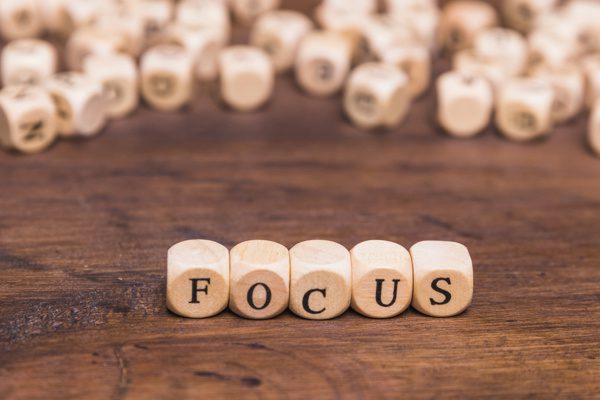
Inbox Detox: You could have all the time and energy in the world, but if you don’t have focus, then you could be wasting a lot of time and energy and resources on doing the wrong thing.
Eventually, it stopped working because it didn’t get him to where he wanted it to be. We had to change his approach a little bit and he started to notice that he wasn’t getting all the things done that he needed to get done. He started to use typical time-management stuff where he was trying to learn how to manage his time better, make appointments with himself, and put stuff on the calendar. That didn’t work for him. When he went through one of our courses, he realized it’s not time that he needs to manage. He needs to be able to manage himself. If he can manage himself, then everything else will usually fall in place.
What’s the difference? When you think about managing your time, you think about putting stuff in your calendar, making appointments with yourself, and so on but managing yourself is about getting yourself to do the things you need to do, especially the stuff you’re not doing. We need to have the energy levels to do that. We need to have the right focus to be able to do that. Also, the time on top of that to be able to execute on these different things. Once he realized, “I need to be able to manage myself to do the things I need to do,” that’s when things start to click for him.
For the first time in seven years, he was able to take his wife and two beautiful daughters to Hawaii for vacation for nine days. It was only because he changed his approach from managing his time and being obsessed about it to learning how to manage himself to do the right things and consistently following through on that. It was such a simple mindset shift, but also the way he approached work that made such a big difference. Oftentimes, when people want to become more productive, you don’t have to make drastic changes. We just need to change 1% or 2%, or how you look at things or how you do things, and it can make all the difference.
What a great story. I love that happy ending of getting to go on vacation with the family and not be overwhelmed. You certainly took us on a great journey there. Thanh, if people want to smartly engage, get your course, and learn how to be more efficient with their time, energy, and attention, I know you have your website Asian Efficiency. Is that where they can find the course as well?
Yes. They can go to AsianEfficiency.com. If people want to get more productivity tips from us, they can subscribe to our newsletter. We also have a podcast called The Productivity Show, which is a weekly podcast that will show you some productivity strategies as well.
Thanh, I can’t thank you enough for sharing your wisdom and your personal story. Any last thoughts or a quote you want to leave us with?
First of all, thank you, John for allowing me to be here. I hope everyone is inspired to be able to live their best life. That’s why I’m inspired to run my company to help as many people as possible because I feel like it’s my mission to help as many people as possible to live their best life possible on their terms.
Important Links
- Thanh Pham
- The Productivity Show
- Brain Rules
- Inbox Detox
- Slack
- Jira
- TEA
- Better Selling Through Storytelling Method Online Course
Wanna Host Your Own Podcast?
Click here to see how my friends at Podetize can help
Purchase John’s new book
John Livesay, The Pitch Whisperer
Share The Show
Did you enjoy the show? I’d love it if you subscribed today and left us a 5-star review!
- Click this link
- Click on the ‘Subscribe’ button below the artwork
- Go to the ‘Ratings and Reviews’ section
- Click on ‘Write a Review’
Love the show? Subscribe, rate, review, and share!
Join The Successful Pitch community today:
- JohnLivesay.com
- John Livesay Facebook
- John Livesay Twitter
- John Livesay LinkedIn
- John Livesay YouTube