




Inbox Detox With Thanh Pham
Posted by John Livesay in podcast | 0 comments
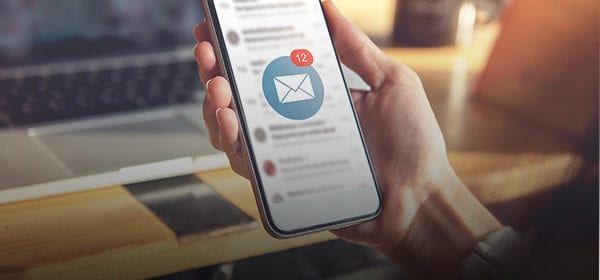

Every one of us has had that experience of sitting down to really focus on a task only to be bothered by an email notification. Thanh Pham, the Managing Director at Asian Efficiency, has a program called Inbox Detox, which helps you optimize your email and break free from distraction to become more productive with your work. Thanh’s work at Asian Efficiency is all about helping people become more productive by maximizing their time, energy and attention. He believes efficiency is the product of focus and attention – something that goes against the popular demand for multitasking skills in the corporate world. Listen to Thanh explain this and more as he joins John Livesay on the show.
—
Listen to the podcast here
Inbox Detox With Thanh Pham
Our guest on The Successful Pitch is Thanh Pham, who is an expert on productivity. He has something that allows us to detox our inbox. He said that the myths about having to answer them immediately and how stressful it can be can all be fixed with some solutions that he shares with us. He said that when you text and drive, that’s multitasking and you might as well be driving drunk. He said that you have to learn how to manage yourself, not just your time, and he has a wonderful story of someone he helped do just that. Finally, this concept of getting in the flow to be productive is the secret to his formula of TEA, time, energy, and attention. Enjoy the episode.
—
Our guest is Thanh Pham, who is the Founder and Managing Director of Asian Efficiency. He’s considered to be one of the top thought leaders in the productivity industry and has been featured in Fast Company, Inc., Forbes, Huffington Post, and many more. On a day-to-day basis, he’s responsible for executing the company’s mission and helping people become more Asian Efficient. He also has his own podcast called The Productivity Show. Welcome to the show, Thanh.
John, it’s good to be here. Thank you for having me. I’m excited to help people become more productive.
Who doesn’t need that? Everybody needs it all the time. Before we get into giving away some great content and secrets, because I love a good story, would you mind taking us on your journey and your own story of origin? Did you always know you wanted to be a productivity expert? Did you have trouble with it and then solved it? Take us back as far as your childhood, high school, college, or wherever you want.
First of all, thank you for having me. My story started when I grew up in the Netherlands. Even though I am Asian and my parents are Vietnamese, I grew up for the most part in the Netherlands. When I was eighteen, I moved to Los Angeles where I know you’ve lived as well. We’re both in Austin, Texas, which is one of the greatest cities in the world. I ended up going to college in Los Angeles but ended up committing cardinal sin number one of any Asian kid, and that is dropping out of school. I did that after three years because I wanted to work full-time for this life coaching business in Los Angeles. Within three months, I got promoted. As a twenty-year-old kid, I had no clue what I was doing. I was overwhelmed by my new responsibilities. I had to manage clients and grow the top-line revenue. I had many things that needed to take care of that I started to drop the ball. I knew that if life went on like this, eventually, I was going to lose my promotion and even lose my job.
I was stressed out about this. I was not sleeping right and I gained roughly twenty pounds in three months. It was bad and I lived unhealthily. I remember waking up one day looking at myself in the mirror saying, “I’m heavier now and I don’t look as good. I have baggy eyes.” I knew something had to change, so I started to study productivity. I started to read different books about this. I went to different workshops and seminars. With a little time that I had, I took the opportunity to say, “I need to get better at this because I have so much to do. With so little time, I need to figure out how to be twice as productive as I am now.” Every day, I would commute from Pasadena to West Hollywood. It’s a two-hour commute every single day and I was inspired about all these different stories of how people are working from home.

Inbox Detox: People need to learn how to be more productive working from home because it is so relevant now and it may become the hot trend in the future.
I said, “This is a great opportunity to save a lot of time.” I begged my boss to allow me to work from home one day and reluctantly, he allowed me to do that. Over time, I figured out how to be productive working from home, which saves me a lot of time and energy. From there, I said, “This is the way to live.” I want to work from home all the time because I’m more productive. I ended up working from home one day a week and then it turned into two days a week, and then my boss started to notice how much more productive I was working at home that he wanted me to be home more often than being at the office. Eventually, I left that job.
That’s such a myth that a lot of people who like to micromanage people assume that the opposite happens, that people are less productive because they get distracted or they just kick off early and no one can see. The results speak for themselves, don’t they?
Exactly. That’s a common fear that people have. As we go through the pandemic and a lot of people start to transition to work from home, that was a big concern for a lot of people because we don’t see people in the office. It’s a level of trust that’s not there. The beautiful thing about working from home or working remotely is that the results are black and white. If you’re managing people, if you’re a boss, or if you’re a business owner, even though you don’t see your people, the results are black and white. Either someone got it done or they didn’t get it done, and there’s no nothing in between.
That’s the benefit of working from home and being remote as well. The people who are productive or superstars of the company are the ones who are going to keep producing. The ones who aren’t as productive are going to stand out in a bad way because they’re not getting the stuff done. The results aren’t there unnecessarily. It’s one of the reasons why we wanted to start teaching people how to be more productive working from home because it’s relevant but also going forward, this is the hot trend in the future.
What is another big myth that people have about productivity? I’m going to ask specifically around the concept of multitasking because I bet you have an opinion on that.
[bctt tweet=”Inbox Detox, Manage Yourself to Manage Your Time” username=”John_Livesay”]
A lot of people think that multitasking is a productive thing to do and you see it in job descriptions all the time. It’s like, “We love people who are good multitaskers. We want to hire people who are good at this.” I used to think the same way where I would walk into my office and if I had fifteen things to do, I would say, “Let’s work on five of them.” I work on five things at the same time. I would listen to an audiobook, have a spreadsheet open, have another browser open to do some research, and then have some stuff on my desk to review.
What ended up happening was day after day, I ended up looking at my to-do list at the end of the day and nothing got checked off and nothing got accomplished, and it felt frustrating. I wasn’t sure why this was happening. It wasn’t until I read this book called Brain Rules. It’s a great introductory book on how the brain works. What the author is showing is how our brain works and how it is designed to be able to focus on one thing at a time. If we want to maximize our brainpower, we want to make sure that we only do one thing at a time so the brain cannot multitask.
When you are seeing people who are “multitasking”, what they’re doing is what they call switch tasking. The brain is switching focus between things and tasks quickly, which is also taxing and cognitive demanding on the brain. It requires a lot of energy to do that. Several studies have also shown that when we multitask, not only do we make more mistakes, but also, we are slower at getting things done. It’s one of the reasons why we don’t want people to be texting and driving at the same time because we see accidents quite a bit when that happens.
In fact, I’ve read this. It’s almost like being drunk to do that. You’re that impaired.
Also, if you only sleep 4 or 5 hours a night, it has the same effect as well. If we want to be productive, we have to take care of our brain and that means sleeping enough but also focusing on just doing one thing at a time.

Inbox Detox: When people say they multitask, what their brain is actually doing switching focus between tasks very quickly, which very taxing for the brain.
You also have something that has a great name. Coming from an advertising background, nobody loves a sound bite better than I do. Congrats and kudos to Inbox Detox. Tell us how you came up with that and what it is.
We have a program called Inbox Detox. As you are probably familiar with, we have tons of emails that we get every single day. Most of our email inboxes are a big mess. Some of us have hundreds of unread emails. I’ve worked with clients who have thousands of unread emails and the record that I’ve ever seen personally is 22,000 unread emails. That’s multiple years of accumulated never checking them. Oftentimes, when we get in that kind of situation, we only check the new emails. We don’t go back to what we’re sent five years ago or whatever.
Inbox Detox is designed to help people say, “Let’s look at your inbox and create a system for you to be able to one, mandatory email inbox in less than one hour a day, regardless of how many emails you get every single day and then also two, let’s get it to an empty inbox, or as we like to call it, Inbox Zero.” Make sure that it stays there so that whenever you look at an empty inbox, it’s like a sense of accomplishment saying, “I have everything under control. Everything has been taken care of. Everything has been addressed.” The main technique that we teach in there is showing people that if you do have such a large inbox of unread messages, what only matters are the emails that were sent in the last 30 days.
Oftentimes, what we do is we say, “Let’s look at all the emails that are sent in the last 30 days. Anything beyond that, we will just archive.” We’re not going to delete them. We’re going to archive them so that if there’s something sensitive in there and someone said, “John, did you see this email that I sent you that contains this piece of information,” you can say, “I didn’t see it but I still have it there and I can definitely look for it.” You can always look for archived emails and be sure that you have any information that you need. We’re not deleting emails, we’re just archiving them.
People have a big sense of relief. When someone’s a hoarder and you ask them to throw something out, they’re like, “I can’t.” We’re not asking you to throw the emails out, just archive them. I love that. Let’s do a little deeper dive into this because this is something everyone has a problem with. You have some great myths you talk about. “The only way to stay on top of my inbox is to answer every email within seconds of getting it, especially if it’s from my boss and I’m stressed out all the time. I’m checking my phone and every time it dings, I get sweat beads coming off my forehead.” Enter Thanh and Asian Efficiency to the rescue. Yes?
[bctt tweet=”TEA: Time, Energy and Attention” username=”John_Livesay”]
I like to hope so. The email has been such a big challenge for many people because people in the workforce, oftentimes what they do is they keep their email clients open all day long, whether it’s Outlook or Gmail, or another client that they use. As soon as they start working and sitting down doing stuff to keep the client open and as soon as the email comes in, a notification comes up and they get sidetracked and distracted. They start focusing on the email rather than doing the work that they’re getting paid to do. Most of us are paid to do certain things at our jobs and it often does not involve email directly.
There are always exceptions. If you work in customer service or you’re an account manager, replying to emails quickly is probably a good thing but that is a rule-specific feature for most jobs that we can get away with replying to an email within an hour or two and everything will be fine. Oftentimes, we have a self-fulfilling expectation of, “If an email comes in, I need to reply within minutes.” When it’s okay to reply within 1 hour or 2 or even 3, when I work with people, that’s the first thing I address. What is your expectation around email? Is that an expectation because you were told to do that or is that something you just created yourself? It’s like an imaginary expectation.
Do you feel that a lot of people expect someone to respond faster to a text than email? How does that impact our productivity?
People definitely respond faster to a text message, but also expect that in a way rather than an email. In fact, in my company, we have what we call communication guidelines or protocols. We are a completely remote company and I have team members all over the world in four different time zones. We have different levels of communication. To give an example, if we have an emergency and they need to reach me, the best way to do that is to call me because if you call me, I know this is going to be important. Otherwise, you would never call me.
If it’s semi-urgent like you need my response relatively quickly, then you can always text me. That’s a different option. We also use Slack, which is like the instant messenger app that we use to communicate within our company. Oftentimes, when we message on there, you can expect the response within usually 6 to 8 hours or so, depending on where we are in the world. Also, we use Jira, which is our task manager. I think of it as a project management tool. We post stuff in there, we leave comments and such, and then we expect people to always reply within 24 hours.

Inbox Detox: Many people keep their emails open all day. As soon as they get to work, an email notification pops up and they get sidetracked.
When we have these guidelines in place, we know how we can communicate with each other depending on the level of urgency. If it’s an emergency, you would call that person. If it’s just like, “I need a reply from you within 24 hours,” then you can leave a comment somewhere or send an email. That way, you allow everyone to streamline their work and also not get easily distracted. One of the reasons and something I’m proud of is I rarely send internal emails. If you get an email from me, people are scared because this is unusual and this must be important.
The Slack picks up the slack of email. You have these great concepts. I love painting the story of the hero’s journey of which way we will go. The story you talk about when it comes to productivity is if someone had to write a 100-page book in the next week and they could only write for an hour a day, the question you pose is, “Which schedule creates the best possible book? Once a day for an hour without any interruption or ten times a day with six-minute chunks of writing?” Both allow us to write for an hour a day. You pose this question, which one would we pick? Don’t keep us in suspense. Let us know and then tell us why that’s the right answer.
I can tell someone has been doing a lot of research and been reading our content. Thank you, John, for doing that. I pose this a while back because we all have the same amount of hours in a day and we all have the same 24 hours. You’ve probably heard of this before. It’s up to us to manage that in the best way possible. We can’t control it because time goes by whether we do something or not, but we can manage it. When I posed that question of how do we maximize our time, if you only have one hour a day to do something, it’s better to have one block of uninterrupted time to do something rather than have multiple chunks of time to do something.
If we have to write a book or write a chapter, it’s a creative process. We have to sit down, think, imagine a little bit, and visualize what we’re trying to do. If you have one hour to do that versus, say, six blocks of ten minutes, anytime you sit down for a block of ten minutes and you’re about to get into flow state and groove but when ten minutes are up, you have to stop, do something else, and then get back into it. Oftentimes, we have to start and stop. It’s an inefficient process. It’s like when you’re driving a car, your fuel efficiency is higher when you’re continuously driving versus driving around the city where you have to start and stop.
It’s the same thing with how our brain works and how we are productive at work. If we can have that flow of continuously focusing and working in one big chunk of time versus multiple smaller chunks, we can be more focused and more productive. I always recommend people if you have to focus, carve out at least 30 to 45 minutes or so. That’s a nice chunk of time to be able to accomplish something creative and start there. Over time, you develop that focus muscle where you can focus for 30 minutes at a time and then 45. Before you know it, you’re up to an hour and oftentimes, we peak at 90 minutes or so before we have to take a break.
[bctt tweet=”If you want to be productive, don’t overwork your brain.” username=”John_Livesay”]
I love that. We’re going to make that tweet. “Get in the flow to be productive.” The analogy of a car stopping and starting in rush hour traffic and how inefficient it is with gas versus going 60 miles an hour on a freeway is great. You have these three pillars of productivity. Nobody loves an acronym more than I do. You’ve created TEA, which is such a clever tie in to Asian Efficiency. Please tell us what TEA stands for and how we can use it.
Asian Efficiency is known for our TEA methodology or framework, and it stands for Time, Energy, and Attention. When we look at productivity and how we can help someone become more productive, we look at their TEA framework. We look at their time, energy, and attention. We like to think of them as three different currencies. If you can maximize all three, then we know that you’re going to be productive. If you miss 1 of them or even 2 of them, then it’s hard and challenging to be extremely productive.
For example, you could have all the energy to do something. You could be focusing on the right thing, but if you don’t have the time to do it, then nothing is going to happen. You could have all the time in the world and you can have all the energy in the world, but if you don’t have the focus or the attention on the right thing, then you could be wasting a lot of time, energy, and resources on doing the wrong thing. Most of us have probably experienced that before. We’re focused on something and we’re spending all this time, even money and energy, only to find out that that was the wrong thing to do. That’s painful when that happens.
The other way is also true. If we have all the time in the world and we have all the attention and focus to do the right thing but we don’t have the energy, it’s like having a sports car in your garage that you know how to drive but if there’s no gas in it, you’re not going to go anywhere. We need to have the energy to do things as well. If you’re missing 1 of those 3 currencies, we’re not optimized to be performing at a high level. We always want to look at ways to maximize all three when it comes to time, energy, and attention. Most people, when they come to us, they look for time opportunities. They come to us oftentimes saying, “John, I wish I had an extra two hours a day. I wish there were more hours and I wish I could do X, Y, and Z so that I could get everything done in the limited amount of time that I have.”
When we free up some time for them, anywhere between 5 to 10 hours a week, then they go, “I have all this extra time. I’m doing the right things but I’m feeling tired. I’m doing all these different things that require a lot of energy but I don’t have enough energy to do stuff.” When I come home from work late in the afternoon, I just want to sit down, relax, and not do other things. We’ve all been there. We start to address that and say, “How can we address your energy levels?” Whether it’s through sleep, which is a big factor here for most people. We look at nutrition. Are you eating healthy or not? Also, exercising. Are you doing that on a regular basis? If you do all three, we know that you’re going to have enough energy to do the things you need to do.

Inbox Detox: It’s better to have one block of uninterrupted time to do something rather than multiple chunks of time to do it.
Sometimes, it’s almost, “Go take that walk even when you want to nap.” You’ve got to override that feeling sometimes and you need fresh air to rejuvenate yourself. I had an experience like this. I didn’t have the framework of time, energy, and attention. When I graduated from college, I took six months off and traveled to different countries and stayed in hostels. On that journey, I realized there’s a lot of people who just have two weeks’ vacation and they’re cramming everything in. I had six months, so time wasn’t my problem. There’s a lot of people who are older and can’t climb up the pyramid. I had energy and I was young. The other thing was money. Not everybody has a lot of resources to stay in the nicest places. That’s the one thing I didn’t have when I was right out of school. I thought, “Rarely do we have all three, the time, money, and health to live our best lives.” This TEA Framework that you have is fantastic for helping us craft the best outcomes that we want.
I love that example because I always tell people, “When you go to Vegas when you’re 21 versus when you’re 45, even though it’s the same city, it’s such a different experience based on your income level, time availability, health, and if you have a partner or not. It’s a different experience.” I always like to look at things from a contextual point of view as well. For example, if you are younger, having six months of free time to explore and travel is such a different experience compared to saying, “I only have two weeks.” I’m fortunate enough to have lots of flexible time in my life.
If I’m dating someone who only has two weeks off a year, the way we travel is different because the other person wants to cram as many things as possible. She only has two weeks to explore. Whereas I’m like, “I’m relaxed about this. Do whatever you want to do. Maximize your time. I can always come back later if I want to.” When we give people the opportunity to have all this extra time in life and free up 5 to 7, or even 10 hours a week, it changes your perspective on how you live and how you experience things as well. Once people get a taste of that, they see like, “I wish I’d done that earlier because if I had an extra 10 hours a week when I just had a newborn or before I had a kid or now that my kid is older, it’s a totally different way of living.”
You have an online course that you offer people so they can maximize their time, energy, and attention. Do you have a story of someone you’ve helped after they’ve taken your course with what their life is like before and after?
Yes. One of the top loan officers in the country. His name is Scott. He works at a Fortune 100 company and he took one of our courses. He was overwhelmed because he has so much to do. He was working in corporate for over twenty years and he worked his way up by working hard. I’m sure all of us can relate where we show up at 8:00 and then leave at 8:00 at night. That grind, especially if we’re fresh out of college and we’re extremely motivated. Once we have kids like he did, he has two beautiful daughters, it became a precedent for him where he continued to work from 8:00 AM until 8:00 PM and that was his thing.
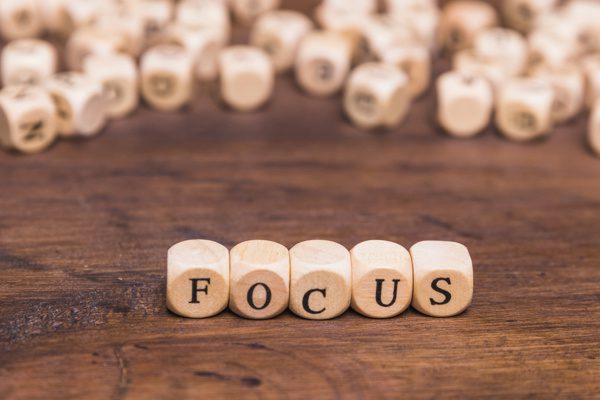
Inbox Detox: You could have all the time and energy in the world, but if you don’t have focus, then you could be wasting a lot of time and energy and resources on doing the wrong thing.
Eventually, it stopped working because it didn’t get him to where he wanted it to be. We had to change his approach a little bit and he started to notice that he wasn’t getting all the things done that he needed to get done. He started to use typical time-management stuff where he was trying to learn how to manage his time better, make appointments with himself, and put stuff on the calendar. That didn’t work for him. When he went through one of our courses, he realized it’s not time that he needs to manage. He needs to be able to manage himself. If he can manage himself, then everything else will usually fall in place.
What’s the difference? When you think about managing your time, you think about putting stuff in your calendar, making appointments with yourself, and so on but managing yourself is about getting yourself to do the things you need to do, especially the stuff you’re not doing. We need to have the energy levels to do that. We need to have the right focus to be able to do that. Also, the time on top of that to be able to execute on these different things. Once he realized, “I need to be able to manage myself to do the things I need to do,” that’s when things start to click for him.
For the first time in seven years, he was able to take his wife and two beautiful daughters to Hawaii for vacation for nine days. It was only because he changed his approach from managing his time and being obsessed about it to learning how to manage himself to do the right things and consistently following through on that. It was such a simple mindset shift, but also the way he approached work that made such a big difference. Oftentimes, when people want to become more productive, you don’t have to make drastic changes. We just need to change 1% or 2%, or how you look at things or how you do things, and it can make all the difference.
What a great story. I love that happy ending of getting to go on vacation with the family and not be overwhelmed. You certainly took us on a great journey there. Thanh, if people want to smartly engage, get your course, and learn how to be more efficient with their time, energy, and attention, I know you have your website Asian Efficiency. Is that where they can find the course as well?
Yes. They can go to AsianEfficiency.com. If people want to get more productivity tips from us, they can subscribe to our newsletter. We also have a podcast called The Productivity Show, which is a weekly podcast that will show you some productivity strategies as well.
Thanh, I can’t thank you enough for sharing your wisdom and your personal story. Any last thoughts or a quote you want to leave us with?
First of all, thank you, John for allowing me to be here. I hope everyone is inspired to be able to live their best life. That’s why I’m inspired to run my company to help as many people as possible because I feel like it’s my mission to help as many people as possible to live their best life possible on their terms.
Important Links
- Thanh Pham
- The Productivity Show
- Brain Rules
- Inbox Detox
- Slack
- Jira
- TEA
- Better Selling Through Storytelling Method Online Course
Wanna Host Your Own Podcast?
Click here to see how my friends at Podetize can help
Purchase John’s new book
John Livesay, The Pitch Whisperer
Share The Show
Did you enjoy the show? I’d love it if you subscribed today and left us a 5-star review!
- Click this link
- Click on the ‘Subscribe’ button below the artwork
- Go to the ‘Ratings and Reviews’ section
- Click on ‘Write a Review’
Love the show? Subscribe, rate, review, and share!
Join The Successful Pitch community today:
- JohnLivesay.com
- John Livesay Facebook
- John Livesay Twitter
- John Livesay LinkedIn
- John Livesay YouTube
Tragedy On My 100th Day As CEO With Dr. Diana Hendel
Posted by John Livesay in podcast | 0 comments

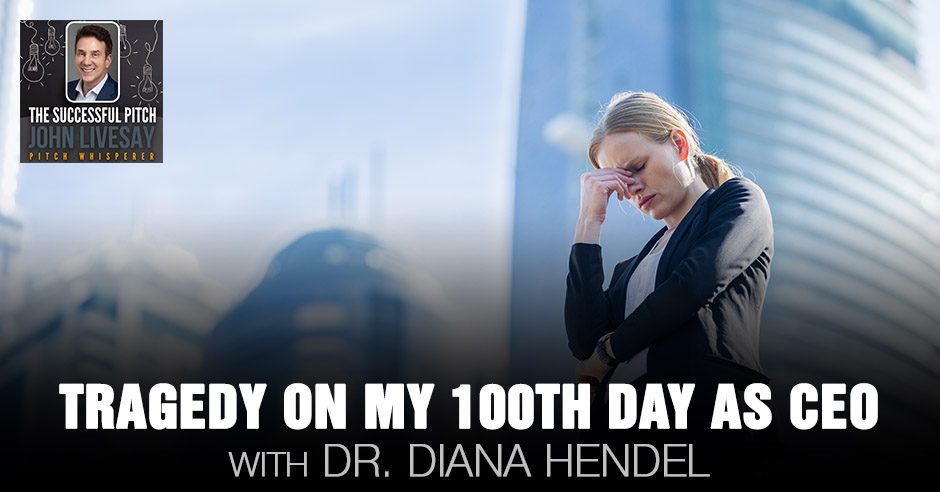
The 100th day is typically a milestone for any career. For Dr. Diana Hendel, however, it came with a tragedy that changed her life and led her to a profound understanding of trauma and how individuals and organizations can come out of it with hope and resilience. Joining John Livesay, she shares the tragedy on her 100th day as CEO, and how she learned to let go of the blame, shame and guilt that came with it. Diana’s career spanned more than 25 years of experience in leadership at all levels of complex organizations. She was the CEO of Long Beach Memorial and Miller Children’s & Women’s Hospital and currently serves as Senior Partner with Partnership Advantage. Join in as she shares the story of how she and her organization came out stronger after the traumatic experience – a powerful message which she brings out to the world through her new book.
—
Listen to the podcast here
Tragedy On My 100th Day As CEO With Dr. Diana Hendel
Our guest is Dr. Diana Hendel, the author of Responsible. She shares what it’s like to be a CEO of a major hospital and have a tragic shooting take place and how she helped heal her post-traumatic stress disorder, as well as that of the fellow employees and the hospital itself. The lessons that we all need about the things that don’t kill us can in fact, make us stronger and how we can let go of this need to have guilt, blame, and shame. Instead, go on a journey where we see themselves or other people in this story of resilience. The book is called Responsible. You’re going to enjoy her story.
—
Dr. Diana Hendel is an experienced healthcare executive, inspirational leader, and a team builder. Her accomplishments span a career of many years with experience in leadership and all kinds of complex organizations. She was the former CEO of the Long Beach Memorial and Miller Children’s & Women’s Hospital. She led one of the largest acute care trauma and teaching medical centers on the West Coast. She is a senior partner with Partnership Advantage, which is a consulting firm that helps individuals and organizations achieve optimal performance for the betterment of the communities they serve. Her areas of expertise include a strategic vision, business growth, as well as creating agile and resilient teams. She’s held many leadership roles with all kinds of hospital and healthcare associations. She has a new book out called Responsible. Diana, welcome to the show.
It’s great to be here, John. Thanks for having me.
I touched on a few things about your career. I’d like to ask you to take us on your own story of origin. You can go back to childhood, college, wherever you want. Where did you start your journey to get into healthcare? Did you always dream of running a hospital? Is that a little girl’s dream that I don’t know about?
I grew up in Southern California and went to school at UC Irvine. I’m interested in biology. My undergraduate degree in major is biology. As I was thinking about careers and where I wanted to best serve, healthcare jumped out at me. There were many aspects of it that were important to me. One, the technical aspects, the operational aspects were quite intriguing. My graduate work was in pharmacy. Systems, processes, analyses, and therapeutics were all interesting to me. More than that, I loved the way hospitals ran. I loved that the focus was on people. The focus was on creating this well-orchestrated team that had to work in sync and that not any one patient can be cared for by one person. It takes an entire team.
When I thought about a career in healthcare and particularly in hospitals, it makes sense that when I was growing up, I was involved in sports and played all kinds of different sports. In those days, you didn’t specialize in the sport. We played all of them. I played a lot of individual sports, but the ones I enjoyed the most were team sports. I liked being part of a team. I liked competing with the outside. We had to create camaraderie and unity. We had to be in sync. We had to settle differences. We had to be well-orchestrated. You can see the analogy between a hospital and being on sports teams. It was natural from my upbringing and my childhood and the things I was interested in to then embark on a career in healthcare and particularly in hospital care.
How does someone get to become the CEO of a hospital? That would be of interest. Not many people achieve that level of success. An analogy would be you’re a teacher and then you become the assistant principal and then you get to be principal. Is it that step-by-step process?

Hope And Resilience: So much has been written about individuals who have been traumatized, but very little has been published about the impact of trauma on organizations and on their culture.
It can be. To your point earlier, did I grow up as a little girl wanting to be a CEO? No, I didn’t. What I was interested in was learning and growing at each stage. How I became a hospital CEO was, I have a clinical background. I started at Long Beach Memorial as a pharmacy student. I did an administrative residency after a clinical residency. I found that as much as I enjoyed clinical pharmacy practice and the department of pharmacy, I liked the inner workings, the operational connections with all the different departments, laboratory, nursing, medicine, etc.
Over the years, I took on more and more responsibility and progressively got larger promotions and more responsibility for hospitals. Over the years, I gained a lot of experience in how hospitals ran and their strategic tactics, working with teams, being effective as a leader. I knew what it was like to be at every level of leadership, from the ground up, from being the student to then becoming the CEO. It was a calling. I love the role of CEO. I loved being involved with the hospital, its operations and its strategic future. I also love the connection with the community. Most hospitals are cornerstones of the community. They’re the bedrock of the community. They’re often one of the largest employers in the community and often a large educator, all the student nurses, physicians, and pharmacists. I like being connected to both the community and running this large business.
How many people were you managing when you’re the CEO?
Our hospitals were three hospitals in the city of Long Beach. They were a part of a larger health system. We had over 6,000 employees and about 2,000 independent physicians and specialists. At that time, there were 2,000 or 3,000 independent contractors and other consultants that worked there. It was a city within a city.
You’re like the mayor of that city. It got its ecosystem and who gets allowed in and all of that stuff. How long were you the CEO before this life-changing incident happened where there was a shooting? How long were you the CEO before that happened?
It happened on my 100th day as CEO. While I’d been in the system and the organization for more than twenty years at that time, it was my 100th day. I know that because I always created 100-day plans. On that day, I stopped and thought about what it meant to be on my 100th day, and the words I said out loud were, “I’ve got this.” What I meant by that is I knew there would be a lot of challenges in the future. I knew I had a lot to learn. At 100 days, I had a strong sense that I knew that I could do this job and I knew I could do it well.
[bctt tweet=”Tell a story that other people can see themselves in.” username=”John_Livesay”]
Take us back to that monumental day. You’re like, “I got this. I’m feeling confident.” There are some contingency plans for anything, whether it’s an earthquake, shooting, flood, you name it. Whatever could go wrong, everybody has to try in some way to prepare for something. Take us back and paint a picture for us, Diana. What day and time was it? How did you find out about what was going on?
It was April 16th, 2009. It was mid-morning. I was in my office, which is adjacent to the lobby. A little before noon, a man came into the lobby and entered the outpatient pharmacy, which was adjacent to it. He shot and killed the supervisor of the outpatient pharmacy. The shooter then traveled through the hospital quite a long distance to the other side of the hospital outside the emergency department and encountered another man who was the executive director of the pharmacy services. He shot and killed him. A few moments later, just before the police arrived, the shooter shot and killed himself.
Did you hear the gunshots?
I did not hear the gunshots. I got immediate reports of the gunshots.
How much time between the first shooting and the second shooting?
About two minutes.

Hope And Resilience: There are patterns of individual responses and reactions that are normal to trauma and they can shape how they respond in the future.
There’s not a lot that you can warn people or anything.
What is important to know is that any shooting and anytime someone comes into a hospital and kills people, it is shocking. What was particularly shocking about this shooting was that the shooter was an employee.
I didn’t see that plot twist coming. Were these personal specific people that he targeted? He knew his way around. I thought it was going to be a disgruntled patient with some pharmacy issues. It’s like the postal workers get accused of being upset at their boss and losing it.
This employee was a beloved employee. The shooter was beloved. He had been our employee of the quarter, recognized the month before. It begs the question and what emerged instantly was why. All motives eventually were dismissed. The only one that remained and became an urban legend was the question of whether he had shot and killed his bosses because of the upcoming layoff. The layoff as motive became ingrained certainly for me, personally. As the CEO, I had made the decision to do that layoff. The pharmacy department was my home department. These were my friends. These were people I knew well. By virtue of my role, I was the first responder to all three scenes within moments after it happened. The shock of encountering the two victims and then encountering the perpetrator who had killed himself was individually or personally to me extraordinarily shocking. My world was shattered.
It’s one of those things that happened where it would be a lot to digest. You know someone who’s been murdered. Two people you know are your friends and the third is a beloved employee. Our system is not wired to handle that back-to-back trauma. You talk about in your book, Responsible, that you realized you were experiencing your own PTSD, which I want to talk about. Is this still painful for you to discuss?
Interestingly it doesn’t trigger me in the same way it did. As I completely processed and integrated it, recovered and healed, I feel it’s important to talk about less the actual details but to introduce and to come out as a leader who had PTSD and as a patient who had PTSD. That wasn’t apparent immediately. I knew I was shocked but I was well-trained to respond to a disaster. Hospitals are good at responding to disasters. We’re practiced in it. Our structures and processes are well oiled. We do them well. This was a situation where we were responding to our trauma. We were accustomed to people being brought to us but not responding to our own.
[bctt tweet=”Let go of blame, shame and guilt.” username=”John_Livesay”]
I’ve heard horror stories of someone being brought into the ER that’s part of a gang shooting and then the gang breaks in to finish the job off. I can only imagine how dramatic that would be. To know the people and then feel on some level that you’re responsible for triggering that behavior, that’s a lot to process. My next question is, how did you come up with the book, Responsible? I’m sure everyone reading is going, “Surely, she’s not saying she was responsible for causing that guy to kill those people and himself.” What does the title mean?
I wrote the book for a number of reasons. One, it’s a tribute to my former colleagues, the ones who were killed and to my former coworkers. I ended up staying as CEO for the next six years. I had grown up in this organization. The other reason for writing it was an exploration of the word responsible. We say, “The leader is responsible for what happens.” We say, “The buck stops here.” We say, “Who’s held accountable for when things happen?” Our first question when something happens is why it did happen. What could have been done to prevent it? What provoked it?
What I discovered is that while it was irrational to believe I was responsible or to feel responsible, it wasn’t all that off-base given our societal messages and my upbringing of responsibility. I didn’t feel like I caused it. It was a slippery slope with a sense of responsibility. I wrote it to introduce that concept and to explore it. When individuals and an organization are traumatized, there are biological responses that happen involuntarily. There’s the fight-flight-freeze response that happens biologically. I thought it was important to introduce how PTSD develops and how you can recover from it, but also the impacts of trauma on an organization. We don’t think of organizations themselves being traumatized.
The first step is realizing you’re a medical professional. Sometimes doctors are the worst patients. That’s the standard line anyway. You think, “Surely, I’m equipped to handle this. I’ve been trained.” You write about it in your book, the sheep in wolf’s clothing. Tell us that story of when you realized, “I’ve got this. I’m suffering from post-traumatic stress syndrome. I can’t sleep. I got all the symptoms.”
I did get help right away. We certainly brought in help for all those affected. I didn’t think I was immune to the need for help. I got help right away. What I didn’t appreciate was that usually, when severe trauma that shatters your worldview or shocks you significantly happens, rarely are you needing to return to the same place that happened. Usually, there’s a distance or separation. You can remove yourself.
It’s like the people in 9/11 don’t need to go back there for a while.

Hope And Resilience: While going through trauma can shatter you and your organization, you can emerge stronger and better than you would have been had you not gone through it.
When things happen in schools, churches, and other places, often they’re torn down. A memorial is created in their place and then they’re re-established. This was a 1 million square-foot hospital that had been there for decades. We certainly weren’t moving or closing. We didn’t close that day. We’re 24/7 operation. There’s no closing. We kept going. We had 600 patients still to care for.
You don’t go home and check yourself. You don’t go like, “I need a minute here.” You’ve got to function and your adrenaline kicked in.
To your point, many people but certainly hospital people are stiff up for lip or resilient or tough. I had been through lots of adversity, hardship, setbacks, failures, and disasters. I’ve had a lot of practice going through that. I knew well enough to get help and I did get help. What I didn’t appreciate was that staying in the same place certainly could have a long-term impact. I don’t suggest anywhere in the book or even now that I should have left sooner, not at all. In parallel, a lot of my healing was because it was due to the bonding, the camaraderie, and the teamwork that we all experienced. It was the worst day of our lives and I saw the best in people. In parallel, the bonding and camaraderie served to heal. I got to a point where I wasn’t going to be able to fully recover and heal without stepping down.
A lot of CEOs are afraid that if they say they have PTSD, they can’t function. They have to step away from their job and miss months or weeks. What was your situation?
That’s interesting. I felt a calling and the importance of staying. It never occurred to me to leave. I wasn’t worried that if I said I needed help that I would not be able to remain CEO initially. What I found was that over time, the organization had moved on. The handful of people who were closest to it had moved on and gone to other places. I found that I became extremely isolated while surrounded by lots and lots of people. It became important that the organization deserved a healthy CEO and I deserve to recover. After six years, I stepped away. I wasn’t as afraid to say I needed help. It was clear that having PTSD, having nightmares, having flashbacks, losing sleep, that was taking a toll on my health.
Do you get triggered sometimes walking in the building?
[bctt tweet=”Your title role makes no difference. It’s all about how you show up in every interaction.” username=”John_Livesay”]
Often, because it had happened in three different locations and in locations that were right near my office, there wasn’t any time that I didn’t walk through. After the shooter situation, that was the new term in 2009. In fact, we didn’t have disaster protocols for that. We wrote them for hospitals thereafter based on our experience. At the time, I viewed the hospital as a sacred place, as an ultimate safe place. I thought it was the safest place I could ever be. That sense of safety and security was shattered. It can be difficult then to remain in that same setting.
That leads to a perfect transition to where we are with some people returning to the office. I’m careful about my wording. I’ve been talking to one of my clients, Gensler, the world’s largest architecture firm. They create a lot of workspaces. It’s not a return to work. When you say that to people, they get angry because they’ve been working hard from home. It’s to return to the office. Suddenly, if the office because of the disease no longer feels like a safe place, your timing is perfect to help people deal with this issue. “Is it safe to go back to a workplace and be exposed to germs, especially if I’m at high risk or I’m living with somebody who’s high risk and all the issues around that?” Before we get into that, I want your expertise on this. What does it look like for an organization to have PTSD? You never thought about it like that and I haven’t either. That will help us help others returning to the office if we can say this is what it looks like when the organization has it. What does that look like? How can people identify it?
Much has been written about individuals who have been traumatized, but little has been published about the impact of trauma on organizations and on their culture. There are parallel paths similar to the individual. Even though everyone within the organization has experienced a trauma, to make a parallel with COVID, even though all of us are experiencing COVID, we’re not all experiencing it the same way, in the same degree, and in the same impact at this moment. That may change in the future. Similarly, for organizations, there were people close to it who had survivor guilt and had self-blame. There were people further removed who thought, “I didn’t know those people. That was tragic but life goes on.”
It’s the ripple effect and the idea that you have this large body of people or this culture of people who all had a different experience with that trauma. The patterns I noticed initially and similar to COVID was, “We’re all in this together.” That sense of camaraderie and togetherness. Also, what emerges is varying degrees of blame, guilt, and shame. When I say blame, it ranges from one end of the spectrum of the shooter being crazy to who and what made him do it and everything in between. One end of the spectrum leaves the shooter very much responsible for the shooting, his actions, but also the notion that if he was crazy, it leaves a lot of unpredictability. Who else among us might be crazy, especially employee of the month?
I would love your opinion on this. I gave my TEDx Talk, Be The Lifeguard of Your Own Life!, around my own experience of being laid off. After being in a job for fifteen years and the industry is being disrupted, it was challenging even though I talk about who we are is bigger than what we do for a living. Especially if you’re a CEO, I would imagine it’s challenging to not let your identity get tied up with your job. If someone is beloved and an employee of the month and they feel like they’re losing that identity, we never know what the trigger is. I would be mad and scared, hurt but I certainly wouldn’t go “ballistic.” That’s you. You’ve got some emotional intelligence, some support group. Maybe this is all that person had. Who knows? How do you not take being laid off personally? If it’s between laying off some people and the company or the hospital continuing to function and pay their bills versus keeping everybody employed and everybody going down, you’re not thinking rationally. Your brain has been hijacked.
That’s the key. Your brain is hijacked. These thoughts and feelings that emerge initially are the results of trauma. It’s not necessarily whether it’s rational thinking. It’s our survival mechanism. To your point, most people who face layoffs do adapt and yet there is an impact on their identity or on their ego. Even the fear of paying bills, it’s much more than losing a job. It equates to our value, all those things. At the other end of the spectrum, it then became this sense of, who made him do it? What pushed him into doing that? There was a wide range of opinions, mostly as the result of our brains being hijacked. The layoff as motive narrative was not the only narrative. It happened to be central to me. There were lots of narratives that emerged. I don’t know all of them. I know most of them but that one resonated and traumatized me for obvious reasons. It’s because I had been the one to decide on the layoff. The overarching is we’ll never know. There’s a sense of uncertainty. We had to grapple with that.

Responsible: A Memoir
It’s fascinating because friends of mine who work in other industries have said that the most stressful part of the whole quarantine situation for them, besides their own impact of having to work from home, teach their kids, not take their kids to school and the kids are traumatized, they miss their friends, all of that. You now need to lay off X percent of your team that you’ve assembled for the last year and a half or two years. I don’t think anybody usually thinks about the person having to do the layoffs and how traumatic that is, especially if you care about your people. You’re focused on the person receiving the news.
If you’re an HR, that’s part of your job. You’re trained how to stay neutral and let the person have their feelings and all that stuff. In this situation, it’s like we’re a speaking bureau. We have to let go. There are no live events. We’re a hotel or we’re a university even, and it’s all online. There’s a lot of gold you have from having gone through this that can help people realize this is not a normal layoff time. You get to be traumatized by having to lay off this many people all at once for no fault of anyone. Who cares?
Let’s get out of the guilt and blame or even shame of being laid off. I don’t think it’s a thing anymore because there are many people that are experiencing unemployment. That can contribute to the fear-fight-flight or “How am I going to get a job now?” It’s this bizarre time on all sides of the experience, even if you’re not someone who has been laid off. What’s interesting is a lot of my friends, their salaries have been cut 20% to 50%. They’re not laid off but they’re sure under some financial stress. It’s like I have half a leg that I had completely amputated.
They’re probably working 2, 3, or 4 hours more a day than they were before.
They’ve had to lay off the staff and they are being blamed for things. “Marketing is not doing their job.” It’s like, “What?” That’s a go-to statement for a lot of marketing people anyway, but now that’s an easy scapegoat. This concept of guilt, blame, and shame is fascinating through the lens of how do you deal with that when you have post-traumatic stress syndrome. What would be the one thing you’d want people to know about the book and why they should get it?
The book immerses you in a story that, while it’s unique, it is relatable. It evokes universal feelings and thoughts. People who read the book will see themselves or others in it. It can help to normalize when individuals and organizations are traumatized, there are patterns. There are responses and reactions by the individuals that are normal to trauma. It can change and shape how we do respond in the future. To your point, in our time, individuals are under extraordinary stress. There are no easy answers. We do a disservice by reducing, simplifying, or making it one dimensional.
We do a great service by talking about the dilemmas and talking about the struggles. That’s where we as humans and our society do well is when we can surface the dilemmas without becoming polarized and without saying, “We have to choose the strength of our economy or the health of our population.” How about if we leverage both? The book surfaces that through a story. The book offers hope. It’s a message that while going through trauma, that can shatter you in an organization. You can emerge stronger and better than you would have been had you not gone through the trauma.
I talk about the importance of telling a story that other people see themselves in and how that takes people on a journey. One of my clients is a high tech healthcare company. Those salespeople are in the operating rooms with the doctors. Because of the shortage of masks and their own health issues, they have to do it virtually. It’s a whole another paradigm for everybody that makes it challenging to even “do your job” if you’re in healthcare. This concept of helping people see themselves in the story is a reason enough to get any book. We’re going to be taken on a journey where we either see ourselves or someone we know in it and we can start to recognize patterns that can help us get some new tools in our toolbox to deal with any situation, whether it’s what we’re experiencing now or something in the future. Diana, how can people find you? I know you also do some consulting. What’s the best way for people to reach out to you?
The best way is via my email, [email protected].
Diana, thank you so much for sharing your story. Your courage and your vulnerability inspire us all.
Thank you, John.
Important Links
- Responsible
- Long Beach Memorial and Miller Children’s & Women’s hospital
- Partnership Advantage
- Be The Lifeguard of Your Own Life! – TEDx Talk
- [email protected]
- Better Selling Through Storytelling Method Online Course
Wanna Host Your Own Podcast?
Click here to see how my friends at Podetize can help
Purchase John’s new book
John Livesay, The Pitch Whisperer
Share The Show
Did you enjoy the show? I’d love it if you subscribed today and left us a 5-star review!
- Click this link
- Click on the ‘Subscribe’ button below the artwork
- Go to the ‘Ratings and Reviews’ section
- Click on ‘Write a Review’
Love the show? Subscribe, rate, review, and share!
Join The Successful Pitch community today:
- JohnLivesay.com
- John Livesay Facebook
- John Livesay Twitter
- John Livesay LinkedIn
- John Livesay YouTube