

Own It With Robert Hunt
Posted by John Livesay in podcast | 0 comments

With the trials and problems you face every day, do you blame other people or specific circumstances? It’s time to own it. John Livesay sits down for a conversation with Robert Hunt about the importance of accountability. Robert is the business owner and forum leader of Renaissance Executive Forums Dallas. He has been a marketing and sales leader most of his career, but in 2013 he decided to transition his focus to leading business owners and CEOs in monthly peer-to-peer advisory groups. He helps leaders remove obstacles that keep them from being their best. He believes that it’s his purpose in life, and God has wired him to pursue this passion. In this episode, he shares valuable insights on handling stress and pressure as well as the importance of accountability in business and leadership.
—
Listen to the podcast here
Own It With Robert Hunt
My guest on this show is Robert Hunt, who helps CEOs figure out how to remove things that keep them from being their best and more often than not, it has to do with head trash. He said the difference between pressure and success is knowledge because when you have the knowledge, you can make a plan. Enjoy the episode.
—
My guest is Robert Hunt, who’s a business owner and forum leader of Renaissance Executive Forums Dallas. He’s been a marketing and sales leader most of his career, but in 2013, he transitioned his focus to leading business owners and CEOs in monthly peer-to-peer advisory groups. His first group started back in 2013 and it’s been working with small and medium-sized business owners and CEOs in Dallas, and helping them remove anything that’s keeping them from being their best. He also has a new book coming out on accountability. Robert, welcome to the show.
You make it sound so exciting when you say a book in accountability. I also have one on how to grow onions. I don’t think anyone’s going to get excited about it, but I’m super excited about the book.
Do you have a title that might be snazzier than the topic?

Peak Accountability – Navigating the Climb to a Victorious Life
We decided at one point we were going to call it Peak Accountability. As we started writing it, we thought, “If someone walked by a bookshelf at an airport or someplace and said, ‘A book on accountability, let me get that.’” I don’t think it’s going to be a grabber. We’re probably going to use the phrase that is the turning point of accountability, which is nobody cares. We’ll probably call the book with a big black cover, red light in red words, Nobody Cares.
It sounds harsh, but if you want to stop being a victim in your life, you have to have this mindset that nobody cares about the reasons why you can’t do this or that. At the end of the day, it’s all up to you and you either own it or you don’t. If you want to own it, you can fix it. As long as it’s someone else’s problem, you don’t have any control over your life. I don’t like being a victim. I want to have the freedom to do things and make a change, but that means you have to own it.
That’s a great tweet you gave us, “You own it or you don’t.” Let me ask you about your own story of origin. What was life like before you started helping CEOs? Give us more details about your background in sales and marketing.
I grew up in Southern California. My career was a marketing agent, coordinator, manager and sales guy. I had a lot of careers in the sales and marketing area. I moved to Texas in 2010 because California was imploding and I needed to get out. It felt like the right time. When we came here, I was doing marketing consulting. I met a guy who had bought the franchise rights for Renaissance Executive Forums. He was telling me what they do. I was listening to him and thought, “People pay you money to help them. That seems so foreign.”
As a marketing guy, you’re always trying to make everything look better than it was. You’re trying to address, “We’ve got all these problems, unhappy customers and the product doesn’t work. Why don’t you get out there and figure out how to tell our story?” I said, “Why don’t we just be a great company and then it’s easy for me to tell the story,” but nobody wanted to go down that road. That was too much work.
[bctt tweet=”Remove things that keep you from being your best.” username=”John_Livesay”]
What I was hearing when I tell that story is I thought, “That aligns with my personal purpose in life,” which became my company’s focus. My purpose in life is I help people remove things that keep them from being their best. That’s how God has wired me. It’s what I’ve done all my life, but I never got paid for it. It’s been this cool opportunity to take my purpose and my passion and have a job that does that. It’s been the greatest combination ever.
I can’t wait to hear a story of an example of one thing you’ve removed for somebody that allows them to be better.
I think the most successful leaders already know what to do, they’re just not getting it done for some reason. A lot of times it’s head trash. I found that you can know to do ABC, but when you’re stuck trying to do it, you can’t get that first step. Coaches don’t tell people what to do. You ask them, “What do they want to do?” They say, “What would you do? What’s the first step?” You said, “Let’s do it right now.” You don’t hold their hand, but you’ve helped them get over the thing that holds them back. Tiger Woods does not need his coach telling them how to hit a ball. He does need his coach to say, “I thought you were going to keep your elbow down. Your elbow is up in the air. Why are you doing that?”
When my clients tell me, “I want to spend more time with my family. I don’t think I’m having the life I want to have.” “What would that look like? What are you going to do? What’s the first step?” All I do is ask him more questions and more questions. They usually self-discover what the solution is. It’s rare that I have to bring up something as an idea to somebody because they’re smart, successful leaders. They run a business with lots of employees. They do it for years, but sometimes the head trash makes it where they can’t see clearly.
I’ve heard of the monkey mind and negative self-talk. I’ve never heard of head trash before, which I love because what a great concept that we can click on it and put it in the trash bin.

Own It: As long as it’s someone else’s problem, you don’t have any control over your life. Don’t be a victim. Have the freedom to do things and make a change, but that means you have to own it.
It sounds that easy, but it is because when it’s not your problem, you look at it objectively. I had a coaching session with a client. He was supposed to do a one-page business plan. It’s a really simple one-page business plan. I gave it to him three weeks ago and he says, “I’ve done the mission vision, core values and purpose but I can’t seem to get my first five strategies down.” I said, “You’re making this too hard. What would you do? If you’re going to drive to New York, what would you do? Get a car. What else? I need some gas. What else? I need a map. What else?”
You got three things, a car, gas and a map. You’re halfway there. I said, “What do you have to do?” He was focused on trying to have additional sales. What’s the first thing you have to do to get more sales? I have to find customers. What’s the first step in finding customers? We started talking, but for some reason, every time he opened up the document, it was giving him anxiety. It’s like this huge test that if he did it wrong, he’d have to wear big Baba glasses. I said, “You’re making this too hard.”
People at that level are worried about perfectionism. Is that part of the problem?
There’s a lot of beat down through COVID from 2020. I think people are a little shell-shocked. I have two sets of clients. One that said, “This was an amazing time of reset. I’ve changed my life, my business. I’ve done all these healthy things and we’ve had amazing growth.” I have another set of group members who have been beaten down. They have to lay off their favorite employees, lose their favorite customers, mortgage their house and all these things to stay alive. It’s been a beat down.
This guy’s been in the beat-down mode. He lost his office building. He had to go move in with someone else to keep going with their business. They lost a lot of great clients. It’s been a hard year. I think at some point you get frozen in stress or uncomfortableness. I think that you need someone who says, “It’s not that big deal. Get a piece of paper, write down the first word. What’s the next word?” That’s that role I play as a coach. He knows what to do. We just had to get some more head trash out.
[bctt tweet=”The difference between pressure and stress is knowledge.” username=”John_Livesay”]
You reminded me, Robert when you said that, of a former guest on the show, Rob Angel, who created Pictionary. When he was trying to start the idea for a game, he got overwhelmed like you were talking about. It was pre-COVID obviously, but “Who am I to do this? I don’t know anything about this,” so and so. He finally made it so simple as you were talking about a roadmap. He got a dictionary, a pad of paper and a pen. He said, “What would be the first word I would make for my game that someone would have to draw?”
He looked up and said, “Aardvark.” He wrote it down and goes, “That would be fun to draw and people would laugh. Now I’m a game-changer and a game creator.” That’s the name of his book Game Changer. You described that almost verbatim. Just start. His whole thing is about finding your aardvark. The fascination of interviewing multiple guests and getting to connect the dots of stories like that is my passion. Thank you for that. That was fascinating to hear you describe it like that of how people cannot make it too hard for themselves and take some next step as opposed to being a deer in headlights, if you will.
I heard this great phrase that says, “The longer you wait to take the first step towards your dream, the lower the chances you’ll ever achieve it.” When I met the guy, who had the franchise rights to this organization here in Dallas, I had no experience facilitating means. I’d never coached anybody for a living and I didn’t have any money saved but I knew that was what God had created me for. I’m wired for that guidance and that role. I knew I had to do it.
I went home and talked to my wife and I said, “I feel like this is the job, the place. This is where everything I am comes together with my passion and my journey.” We knew we had to do it. It was exciting and scary at the same time. Because we took that first step and I got my first group going in six months, which seems like a long time, but it’s fast to do this. You go to some businesses and you’re like, “You don’t know me, but do you want to be in a group with a bunch of your leaders.”
It’s like when I started my show asking certain people to be on the show, “Robert, Kevin Harrington, would you like to be on the show?” It’s a little tricky at the beginning to get people to say yes. Once you’ve got some track record, like you do, it’s a lot easier for people to go, “Look at all these other people who’ve gotten so much out of it.” To launch something is a challenge mindset-wise and momentum-wise. You said something that I find interesting and hopefully helpful to everyone reading, which is, “I knew I was wired for this.”

Own It: There’s no reason you can’t do anything. When you keep blaming why you can’t, you’re a victim and everyone has power over you.
I’m guessing one of your offerings, one of your secret sauces, is you can help other people figure out what they’re wired for, which then leads to another level of confidence beyond, “I think I can do this. I want to do it. I hope I can do it.” I didn’t hear any of that from you. I heard, “I’m wired to do this.” From that grounded faith-based sense of awareness, what a difference that makes?
I think a CEO’s number one job is to cast a vision that everyone else can get excited about. Where there’s a lack of vision, people perish. It is what the Bible says. The reality is that the people who come to work for you don’t need step-by-step on how to do their job. They need a vision of what it looks like when it’s done. Even with my own self, if I don’t have an exciting vision of why I’m doing what I’m doing, it becomes mechanical and it’s frustrating and boring.
When I close my eyes and I see my group members all together in one room and I can see the load of the world they carry being lifted off their shoulders because they’re in a room with other people who know what they’re going through and they feel loved, encouraged, challenged, motivated and inspired. When I see that in my mind, it makes me want to make those awkward phone calls to people who don’t know me and go, “I know you don’t know me, but I know a lot of people. You probably hate cold calls as much as I do. I’m going to ask you three questions and I’ll get off the phone really quick.” If they respond, they do. If they don’t, there are 10,000 more CEOs that I can call here in DFW.
What I find fascinating about what you’re doing is that people come for one thing and then get multiple benefits beyond it. Reading your testimonials, it’s like, “I got so many different perspectives on one problem. The comradery and the relationships I’ve made.” It’s like one thing if you joined the Chamber of Commerce or something else, maybe to network, but that’s not why people are coming. Yet there’s all these additional bonuses of that and that ripple effect.
[bctt tweet=”Some things sound easy, but it really is because you look at it objectively when it’s not your problem. ” username=”John_Livesay”]
I know for myself, when I worked with a healthcare tech company, they hired me to train their team on how to tell better stories to win more sales, “If you help us increase our market share and tell better stories to beat the competition, we’re happy.” Not only did that happen, but then they took all the stories and put them on a repository map. It started breaking down silos, which is as you know, a big problem in every industry. The silos are being broken down because people never knew anybody else’s stories to even make an intro. They had a client in one division, but they never made intros because they never knew a case story.
It’s amazing the similar problems that everybody has no matter what industry they’re in, their journey and their experience. We have four things that we always see in common. People, cash, technology and time. Those four things are the same for every single company. My largest group map, my largest size company is the president of the Coca-Cola bottling company, Southwest here in Dallas with 8,000 employees under his responsibility. He’s a super cool guy. He’s down-to-earth and genuine.
The smallest companies probably did a couple million and yet we all have the same problem when we get together. How do I get more employees to show up for work? How do I get more employees to care? How do we manage cashflow when I can’t buy any chemicals to make stuff or to do jobs? I can’t get raw materials. I can’t get people to show up to do the work. Even the customers who are having problems have enough employees to let us do the work. We’re all dealing with the same stuff. Nothing’s different. It’s a just different color, shape or size.
When you put things into buckets like that, and then you say, “How are other people solving the problem of people,” for example. The other outcome of that repository map where all the stories were, I’d also ask the salespeople to tell their own personal story of origin. What got you into healthcare? “My mom was a nurse. I was a microbiologist. I didn’t want to spend my life behind a microscope,” and all that.
Now, it’s an onboarding tool for new people. The number one thing I hear of people managing salespeople is how do we attract and keep top talent? They’re responsible for it. During the pandemic, they weren’t seeing them in person at annual meetings and this repository map became a way for the team to feel seen and heard. I wanted your insights on that because when we’re kids, we jump in the pool and we say, “Watch me jump in the water, mom or dad.” We want to be seen and heard as kids and validated. That doesn’t go away when we’re in the business world.

Own It: When you feel stressed out, it’s because you don’t have a plan. A plan doesn’t have to be that complicated.
If anything, you need more because it’s such a beat down. What we’ve done is we’ve replaced the relationships we used to have where you would know what house to go to in the neighborhood because all the bikes were stacked out. We’ve got to where I don’t have any friends. I have contacts. I have 4,000 contacts on LinkedIn. People are constantly sending me notes, “Do you know this guy?” I’m like, “I don’t even know how I met that guy.” People send me a request and I stopped accepting requests on LinkedIn for a while.
I would say, “If you want to know me, my phone number or email is right there on my LinkedIn page.” I put it right there. Call me if you want to talk. I don’t need more people on my LinkedIn page. What it did is it gave you this false sense of friendship. There’s a cool song out right now called Pictures of Mountains. It’s beautiful. It talks about no one’s heart ever skipped a beat by looking at pictures of mountains. It says, “I sit outside this restaurant reading reviews of what’s going on inside.” It tells about how we’ve lost connection with the world. It’s poignant for now.
Getting back to being in the moment and not so overwhelmed that it paralyzes us is what I heard from that. Let’s talk about your book. Congratulations, first of all. I know how much work goes into it. You’re obviously already envisioning what it’s going to look like on a shelf and would you pick up a book like that? That’s a tip right there for everybody. Reverse engineer, whatever you’re working on, and then what would it look like? What section of the bookstore is it in? Can I visualize myself speaking at Barnes & Noble? Who would show up? What would I talk about? What’s the problem I’m solving?
We all know what happens when there’s a lack of personal accountability and then going back to managing people. Many people in sales are micromanaged a little bit with CRMs and they all hate filling them out. We need to know how many calls you’re making a day. You need to be accountable. We somehow focus more on the number of calls instead of the quality of the relationships and how close we are to getting a sale. I’d love to hear your thoughts on that.
[bctt tweet=”The longer you wait to take the first step towards your dream, the lower the chances you’ll ever achieve it. ” username=”John_Livesay”]
In that sentence right there, I see so many things that are in that book because the only people who get micromanaged are the people who aren’t doing their job. If I’m rocking it, if I’m a superstar, they don’t even care what I’m doing. They don’t care when I come to work or when I go. The only people who get, “How many calls did you make?” It’s because your numbers are bad. That’s why we’re asking that question. People are so unaware of accountability at the very beginning.
We think like, “Everything’s going on. I take care of my stuff. You take care of your stuff and everything’s fine.” They’re constantly complaining about how the world is not delivering on what they expected or they’re not getting this or that. When some level of accountability comes up into their picture, they’re so quick to dismiss it. If you and I are meeting for lunch and you show up late, you go, “Traffic was horrible. Isn’t traffic always horrible?”
You could have come here 20 minutes early and sat in the parking lot and read your emails. We have a computer on our phone. There’s no reason we can’t be somewhere and still be productive. We look at ways and go, “It’s seventeen minutes to that restaurant, no problem. I’ll do one more email.” All of a sudden, there’s a traffic jam and now you’re late. When the first time they become aware of accountability, whether this is you personally, or you at work or whatever environment you’re in, you blame, then you make excuses or you say, “I can’t,” or at the last part, you wait and hope.
All those four things, you’re a victim. You’re not in control. “I tried that, but this guy was a bad boss. I didn’t get that job. I didn’t get promoted.” If you are a rockstar and you had a bad boss, they’d fire him and keep you. The fact is we want to blame and make excuses and say, “I wasn’t growing my business at the clip that we’re supposed to grow for years.” I’d say, “I’m not good at sales,” but I wouldn’t do anything about it.

Own It: Pressure’s good pressure makes us push to be our best. It makes us creative. It makes us see things beyond where we are today.
I would say, “I’m never really good at sales.” Why don’t you get some sales training? I signed up and paid an awful lot of money to Frank Gustafson in the Fort Worth area. I met with him every week and learned the Sandler philosophies of sales to not only clean up a lot of my head trash, which was keeping me from making sales calls in the first place. My close rate went from 10% to over 90%. It’s because I got sales training and got my head around why I was doing it. Now, it’s amazing.
There’s no reason you can’t do anything. When you keep putting the blame as to why you’re a victim, everyone has power over you, the government, your spouse, your family and the world. When you go, “This is horrible. I hate it.” You acknowledge reality. You embrace the suck and go, “This is going to be a long road, but I’m going to do it.” You make a plan and get it done. Now, you’re the victor over it. It may still take a long time, but you can still control it. If the problem belongs to you, you have the ability to solve it. If the problem belongs to somebody else, you’re a victim. I don’t want to be a victim. I want to solve my problems.
It’s a great perspective on it. It’s that whole premise of, “Is this something I can control?” Live events are canceled. I can’t control that right now. It may be coming back a little bit, but then getting canceled again and all that back and forth. I wanted your opinion on this. The thing that helps me bounce back up, be resilient, which is a key that CEOs need. They need to inspire their team to be resilient is doing what you said. Is this something I can control or is it not?
The awareness that things are not always linear. When I realized that, it helped me. I’m like, “We’re all going to get vaccinated. Everything will go back to normal.” Then it goes, “There’s another variant.” This event got canceled and you thought it was going to be a comeback. It’s a setback. That could be a metaphor for anything. “I fixed this problem. Why isn’t this happening yet?” If you aren’t willing to roll with what’s coming and not realize everything is linear, I think that manages your expectations a little bit.
[bctt tweet=”It may still take a long time, but you can still control it. If the problem belongs to you, you can solve it. ” username=”John_Livesay”]
My mom told me when I was a kid that there are two things you shouldn’t worry about, things you can control and things you can’t control. The reality is a lot less is under control than you think there are. I say, “Business isn’t good, I’m going to go get sales training.” I get sales training. Now I’m a great salesperson. If also the market is tanking and nobody’s buying that stuff anymore, all your great sales training still doesn’t fix the problem if you’re in the same market, selling the same stuff that nobody wants to buy.
I control another aspect. I’ll go to another market or launch a new product. There’s a lot that’s out of your control. You need to be resilient. The CEOs that I have had the most respect for in watching how they have lived their lives and run their business, they’re resilient. They’re not all the best at what they do. They’re not the most brilliant or whatever, but they’re resilient and decisive. They are willing to make decisions, not always the right ones, but they make them and own them. They’re resilient. When something goes wrong, they bounce back and they don’t give up. That’s a huge part.
If someone wants to explore, I am guessing you have to be a CEO in the Dallas area to be part of your forum, correct?
Yes. There are other groups across the country that deal with Renaissance Executive Forums. I focus here in the DFW area.
Obviously, anybody can buy the book?
Yeah.
Any last thought or a quote you want to leave us with, Robert?
[bctt tweet=”There are things you can control and things you can’t control. And the reality is a lot less is under control than you think there are. ” username=”John_Livesay”]
I had a conversation with someone who was stressing out and I reminded him that the difference between pressure and stress is knowledge. When you feel stressed out, it’s because you don’t have a plan and a plan doesn’t have to be that complicated. Sometimes it’s the first step. When you are stressed, it’s like, “Everything’s out of control. What am I going to do? I don’t know what to do.” You then come up with a plan and then you have pressure. Pressure’s good. Pressure makes us push to be our best. It makes us creative. It makes us see things beyond where we are now.
When you feel stressed and overwhelmed, stop. Get some knowledge and let that motivate you to be your best. Sometimes that comes through research, learning and reading, but in our world, it comes through being a part of a group or of other business owners that we lead. I think that’s where great group learning occurs. You end up getting more questions about the things you hadn’t thought about before you make a bad decision.
It’s a great way to end. It’s great information and a distinction between pressure and stress. Thanks, Robert.
It’s my pleasure.
Important Links
- Robert Hunt
- Rob Angel – Previous episode
- Game Changer
- Kevin Harrington – Previous episode
- Better Selling Through Storytelling Method Online Course
Wanna Host Your Own Podcast?
Click here to see how my friends at Podetize can help
Purchase John’s new book
John Livesay, The Pitch Whisperer
Share The Show
Did you enjoy the show? I’d love it if you subscribed today and left us a 5-star review!
- Click this link
- Click on the ‘Subscribe’ button below the artwork
- Go to the ‘Ratings and Reviews’ section
- Click on ‘Write a Review’
Love the show? Subscribe, rate, review, and share!
Join The Successful Pitch community today:
- JohnLivesay.com
- John Livesay Facebook
- John Livesay Twitter
- John Livesay LinkedIn
- John Livesay YouTube
Online Courses Create Freedom By Teaching Your Gifts With Danny Iny
Posted by John Livesay in podcast | 0 comments


Online courses are becoming more common today. These courses have become a way to share your gifts with others. John Livesay is joined by Mirasee CEO and bestselling author Danny Iny as they discuss sharing your gift and the freedom provided by online courses. Danny talks about the art of telling a story and using it to engage people and committing to learning. Learn how to be known for that one thing with which you can give the most value to the world.
—
Listen to the podcast here
Online Courses Create Freedom By Teaching Your Gifts With Danny Iny
Danny Iny is the guest on The Successful Pitch. He’s known for being an expert at online courses but as you’ll find out he’s an expert in many other things as well. He talks about what you want people to be able to do after they’ve taken your course. How well do you want them to do it and under what circumstances are they going to be able to perform? He says, “The other key is learning about something is different than living it.” Find out why he says that a quality course is like a fine piece of art. Enjoy the episode.
—
Our guest is Danny Iny, the Founder and CEO of Mirasee, which is a leading voice in the world of online courses. He’s been featured in the Harvard Business Review, Entrepreneur and contributes regularly to publications including Inc., Forbes and Business Insider. He’s spoken at institutions like Yale University and organizations like Google. His work on strategy training won special recognition from Fast Company as a world-changing idea. He’s also the author of Online Courses: How to Create Freedom by Teaching Your Gift. Welcome to the show, Danny.
[bctt tweet=”A quality course is like a piece of art.” username=”John_Livesay”]
John, thank you so much for having me. I’m super excited to be here.
I love that enthusiasm and energy. One of my favorite questions for my guests is to tell us your own story of origin. You can go back to childhood, school or wherever you want but was this process something that your parents said or did. Have you always loved learning? I’m fascinated to hear how this journey began.
I only started thinking of myself as an entrepreneur in the mid-twenties, which is funny because I dropped out of school at fifteen to start my first business. I’ve been an entrepreneur for longer than my adult life. Here’s the first entrepreneurial experience that I can remember. I was in the seventh grade. I was twelve years old and there was a cafeteria at my school and they had different lunch options. My parents would give me $2 to get lunch for the day, which got you the typical option but I like the $3 option.
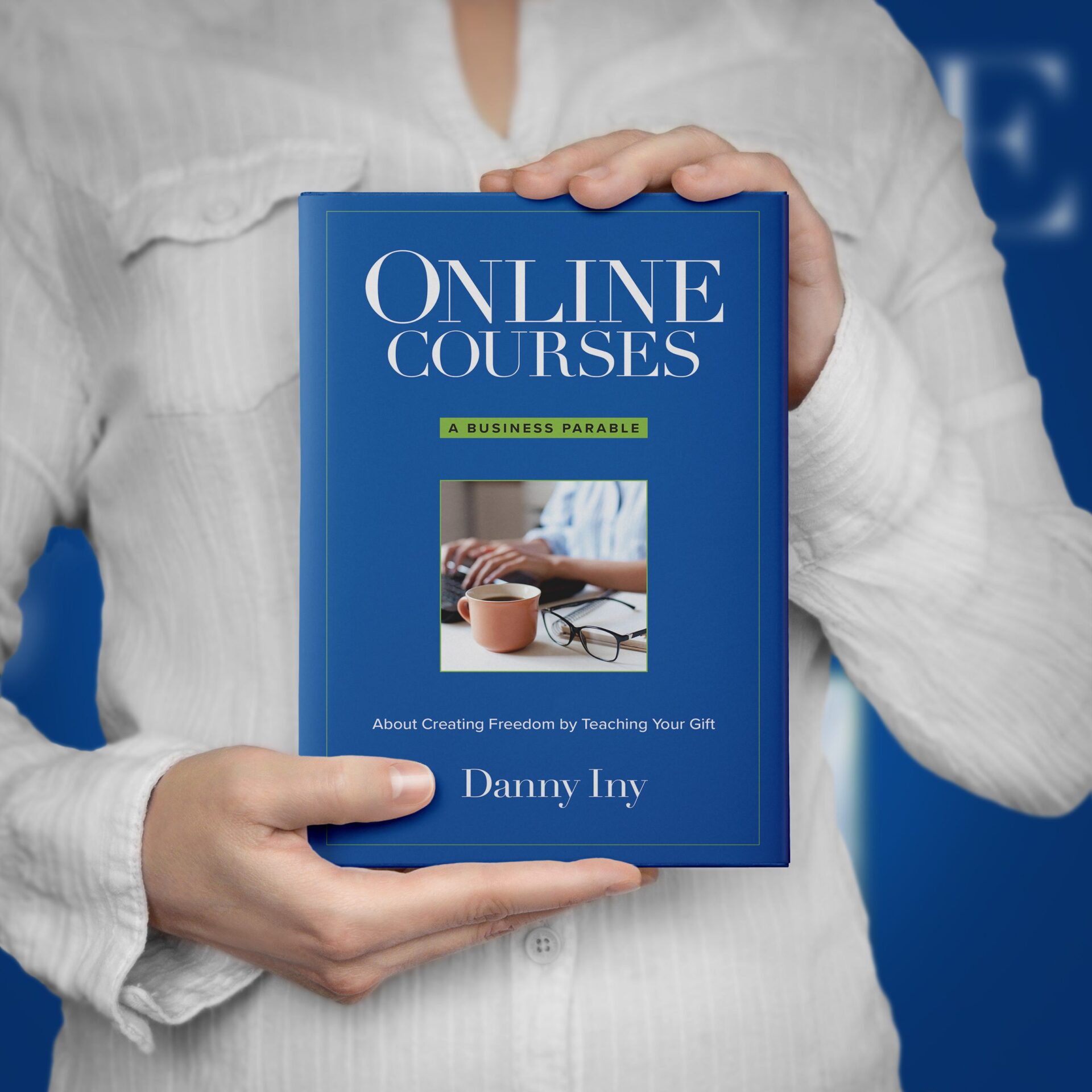
Online Courses: The only people who are perpetually starting a business are the ones who are not very good entrepreneurs.
It shows us how back in time this is because I don’t think kids can get anything for $3 now.
I’m sure it was subsidized but this was a little while ago. I wanted the $3 option and I noticed that my friend would get his lunch and he would get a soda, which was $1. He would get usually a Coke or Sprite but he was a good friend. I knew that he didn’t especially like Coke or Sprite. He liked cream soda, which they didn’t sell at the cafeteria. I figured out that I could get a rack of those cans of cream soda from Costco and it would cost me $0.15 or whatever and I could sell a soda to my friend for $1. He gets what he wants to drink for the same price and now I can afford my $3 lunch. At the time, people would be like, “You’re charging your friend for a drink?” I’m like, “He’s paying the money anyway. This way, he’s getting what he wants.” This is how I’ve always thought of entrepreneurship. I didn’t see myself as an entrepreneur. I was looking for opportunities and solving problems.
[bctt tweet=”What do I want people to be able to do after working with me?” username=”John_Livesay”]
That word wasn’t anything I heard in school. Everyone I knew, even if they did have their own business, they owned a dry cleaner or an air conditioning company. It was nothing in tech or online because that wasn’t happening then. It was either you go work for a company or your family business. The entrepreneurial part of it was not solving a problem. It was a business that an individual owned. It’s a fascinating thing to think of.
It makes sense if you think about it. Let’s presume you’re good at this entrepreneurship thing. The starting of the business takes a small amount of time and the running of the business takes a long amount of time. The only people who are perpetually starting businesses are the ones who are not good at it. Any entrepreneur who’s any good that you know, you’re most likely to know them in the stage where they’re running the business because that’s most of the time that they spend in that interaction.
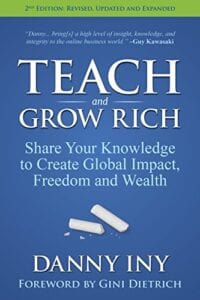
Teach and Grow Rich: Share Your Knowledge to Create Global Impact, Freedom and Wealth
Let’s go from that in your journey of Mirasee, which is about reimagining business in general. You have seven core values. Many people may have values. They don’t post them. They don’t think about them. They don’t put them into action. You and I were chatting before the show about how impressed I am that you do put your values into action. Openness, transparency, respect, appreciation, humility and empowering other people, I wanted to see if there was a story behind how these values came about. Do they all come at once? Was it something that continued to evolve?
There is a story. In the fairly early days of this business, we had a different name at the time because we rebranded a few years into it when we realized the original name sucked. We had a team of 7 or 13. We were small at the time. We were doing a company retreat. I was going to say people flew in. At the time, everyone’s local. This was a long time ago. We’re in the chalet up north and we’re codifying our values. The way we did that and this is learned from a gentleman named Patrick Lencioni. We start by asking everyone, “Take a piece of paper and write down the name of 1 or 2 people on the team who exemplify what it is to work here. This is private. You’re not sharing this with anyone. This is for you as a reference point.” You’re going to write down for yourself what are the things about these people that make them exemplify what it is to be here.
We took that list, put it up on the board and we have 111 things. You collapse the list because the same thing shows up seven times with different languages and you start sorting it. You cross off the aspirational things. It’s like, “It’s not so much that this is who we are. This is who we wish we were.” That’s not a core value. You cross off the things that are hygiene factors like, “Showering won’t make you happy but not showering will make you miserable.” There are things that don’t exemplify who you are. It’s a pay-to-play in the industry. We promptly respond to our customer service emails. Any decent company has to do that. That’s not a special unique thing so we cross off the hygiene factors.
[bctt tweet=”A quality course is like a piece of art. It’s only good in the eye of the beholder. There’s no such thing as an objectively good course. ” username=”John_Livesay”]
We cross off the accidental stuff. For example, at the time, almost everyone who worked at the company was into board games. That wasn’t a core value. That happened to be the case. It was a happy accident. We cross all those out and what’s left is a candidate for a core value and we haggle, negotiate and we’re like, “What is most important to us to codify?” We arrived at six core values. Those were our values for a long time and they are real and substantive. We talk about them all the time. We acknowledge each other for them. It’s not a poster on the wall, although it is a poster on the wall behind me.
Over several years, we started noticing that there were a few ways in which our values were being misunderstood by people who were newer to the organization because they didn’t have all the context to understand it. That’s when we looked at those values and we’re like, “Let’s clarify the language here. Let’s pick this up there. This one has to split in two.” That’s how we arrived at the seven values that we have now and this has been the case for a couple of years now. It’s ever-present in running our business.
Let’s go to what made you write this latest book. This is not your first book by any means. I’m always interested in the story of origin as a fellow author. I know that coming up with a title can be challenging. There are usually many versions of it before you land on it. Because you’ve written other books, there has to be a creative urge to express something that hasn’t been said before. The subtitle grabs it.
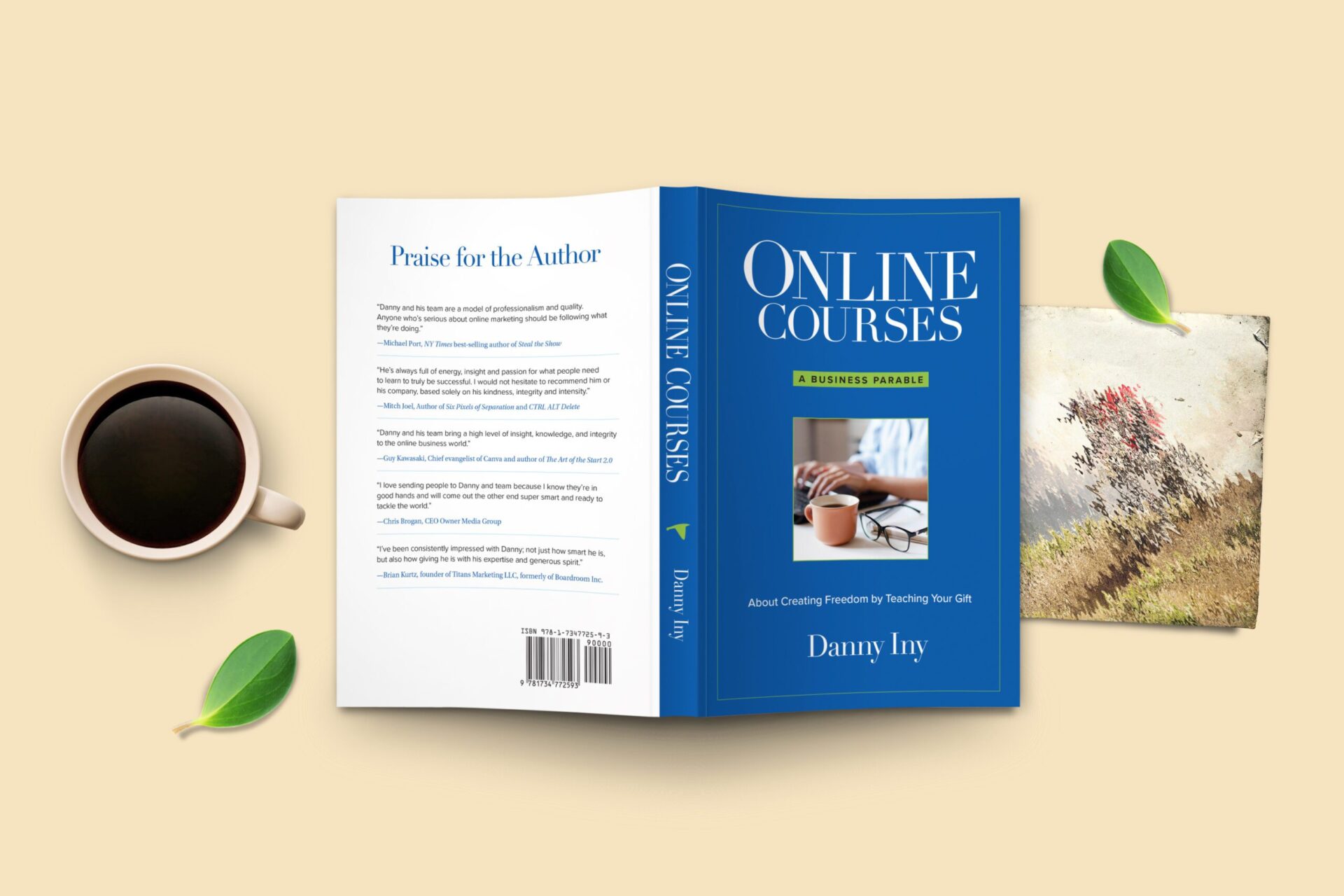
Online Courses: Reading a book about parenting is very different from sitting across from a three-year-old who’s screaming and throwing spaghetti all over the place.
In some ways, I don’t know that a lot of people think that an online course is a roadmap to creating freedom by teaching their gifts. Let’s break down those words, freedom, a gift and an online course. If you put those things together, I don’t know that a lot of people will go, “That’s a book title.” A lot of people will be like, “What does one have to do with the other?” A part of the way that you break through the clutter is giving people and bringing something new to look at going, “What?”
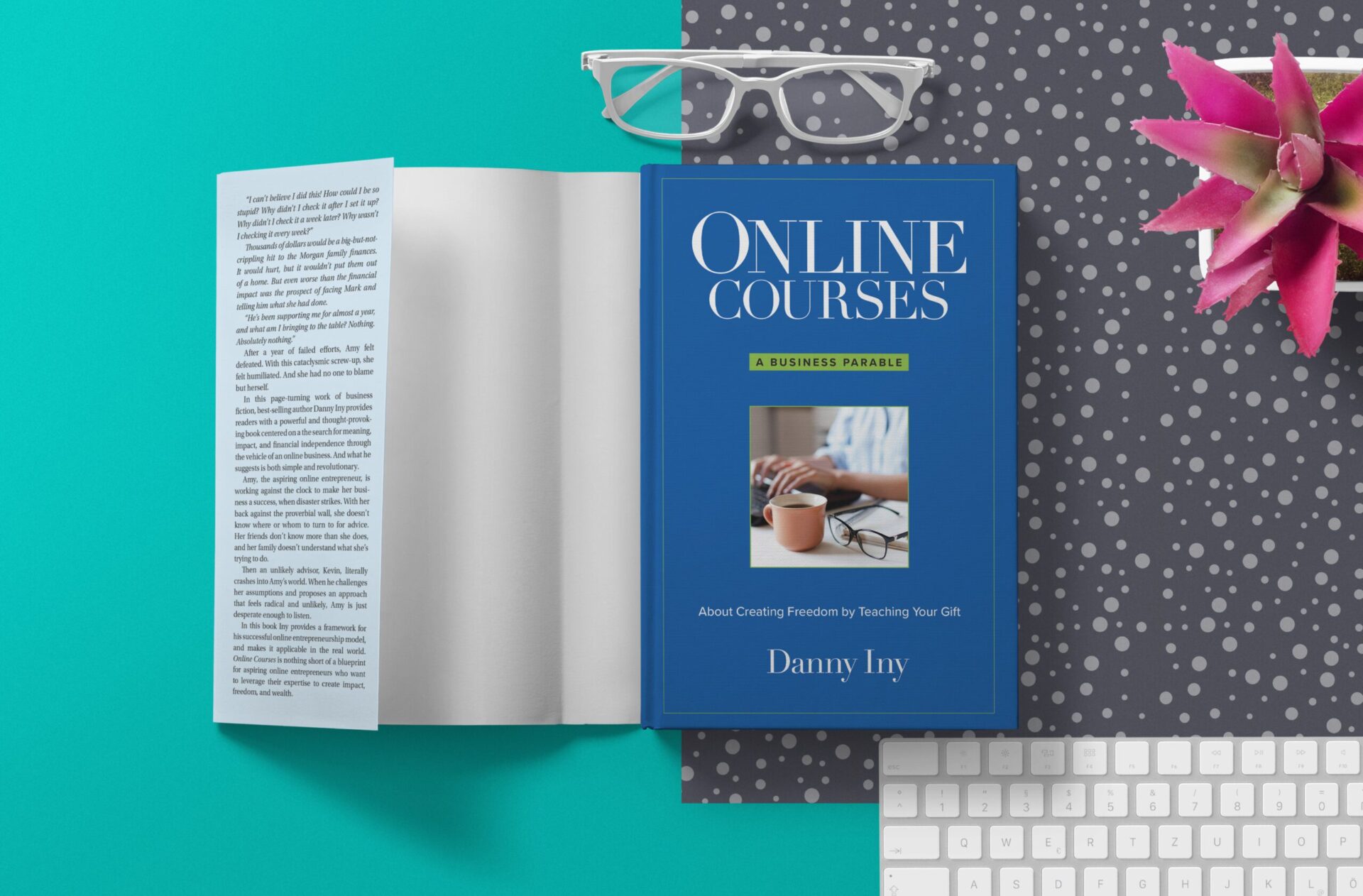
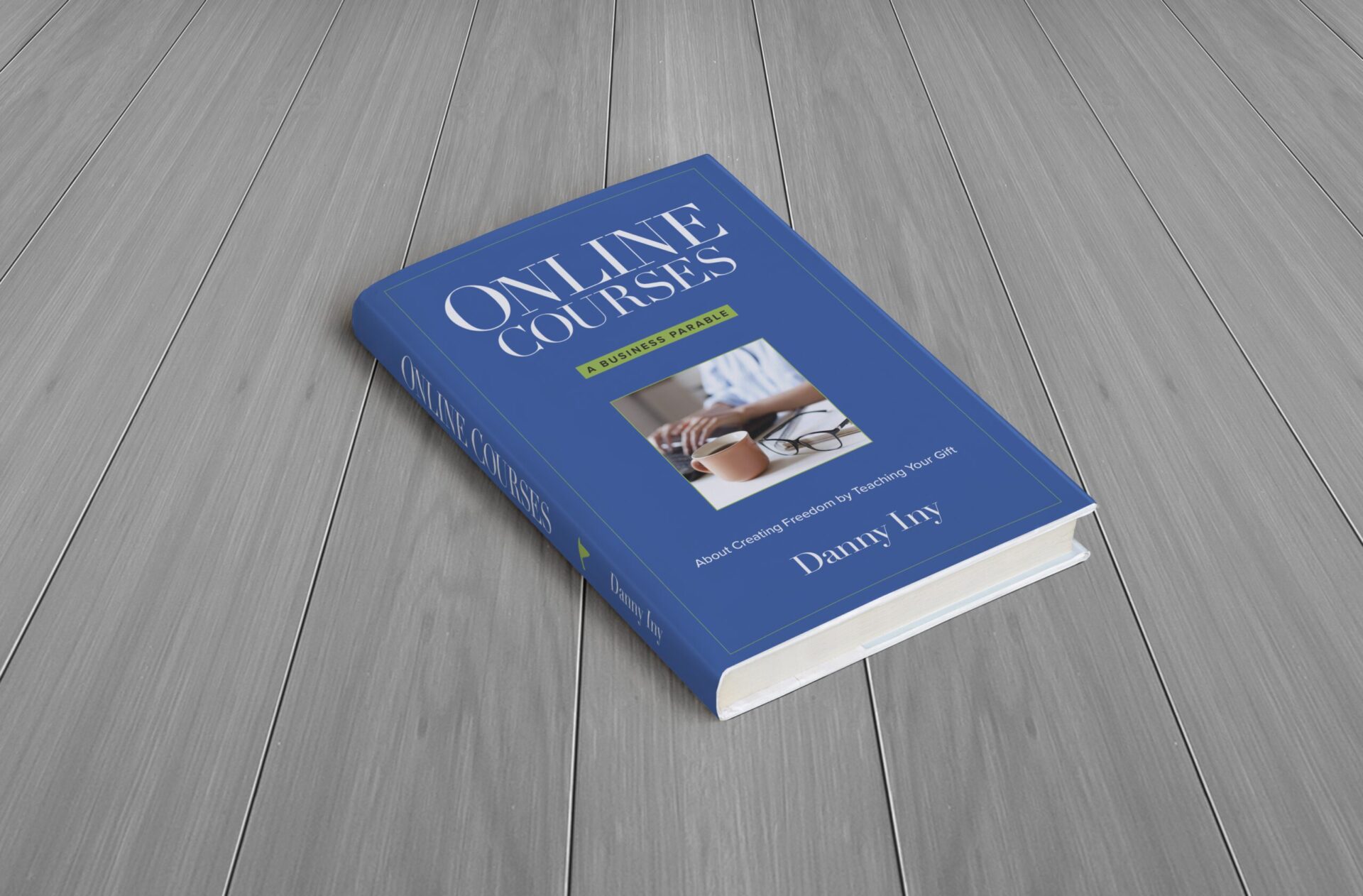
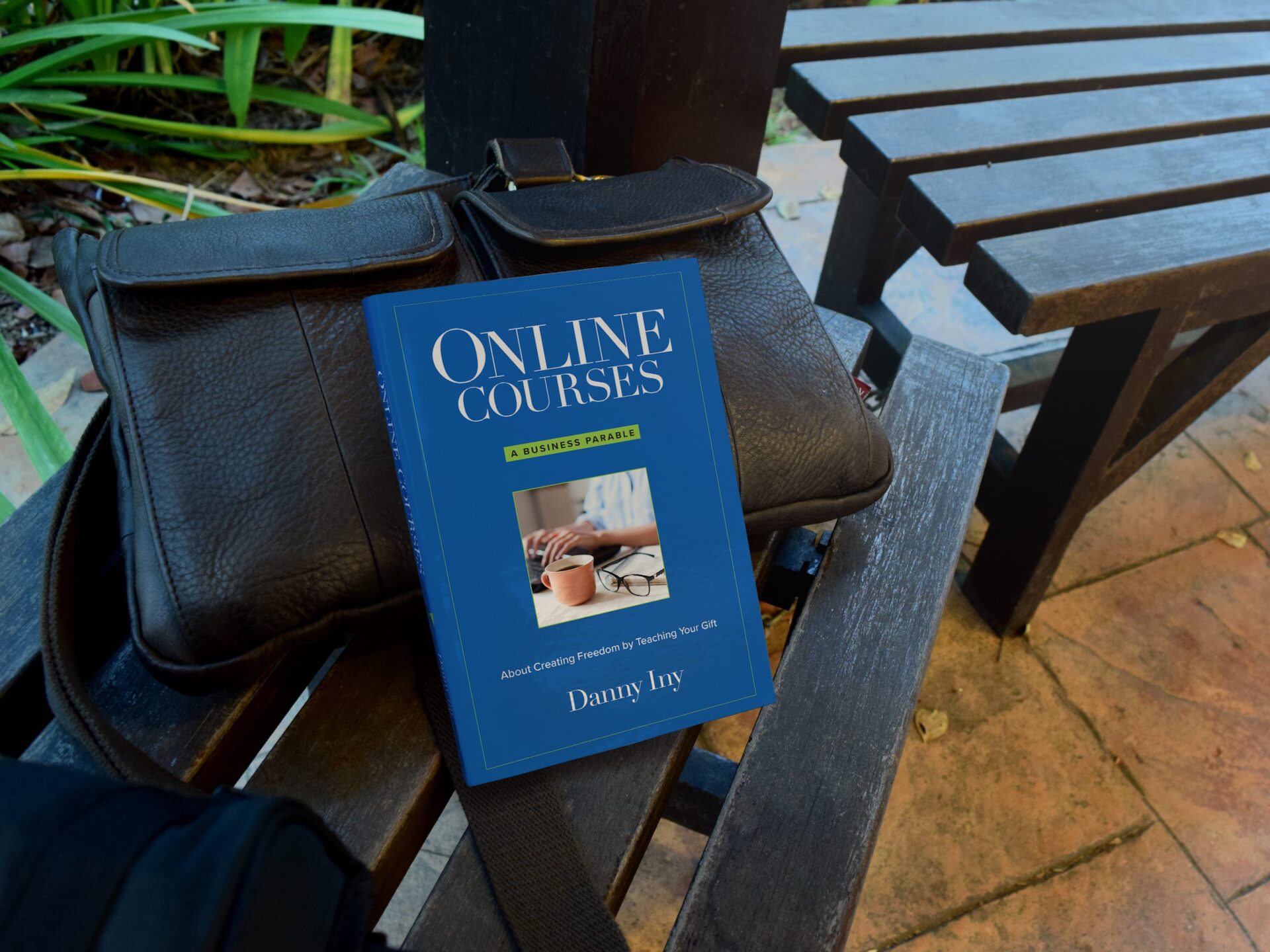
The title was pretty easy. The substance was hard. I’ve written several books about online courses. At some point, I’m searching for a reference to what’s out there. I noticed there is no book called Online Courses and yet that’s what people are going to be looking for. It was pretty clear that the next book is going to be called Online Courses and teaching your gift and creating freedom. This is what our business is all about. That was obvious so that’s what the subtitle is going to be. In terms of the content and style of the book, this was a different book than other books I’ve written. I’ve written several books about online courses. I wrote Teach and Grow Rich in 2015 and it came out with a second edition in 2017. Leverage Learning in 2018. Teach Your Gift in 2020. Effortless in 2021.
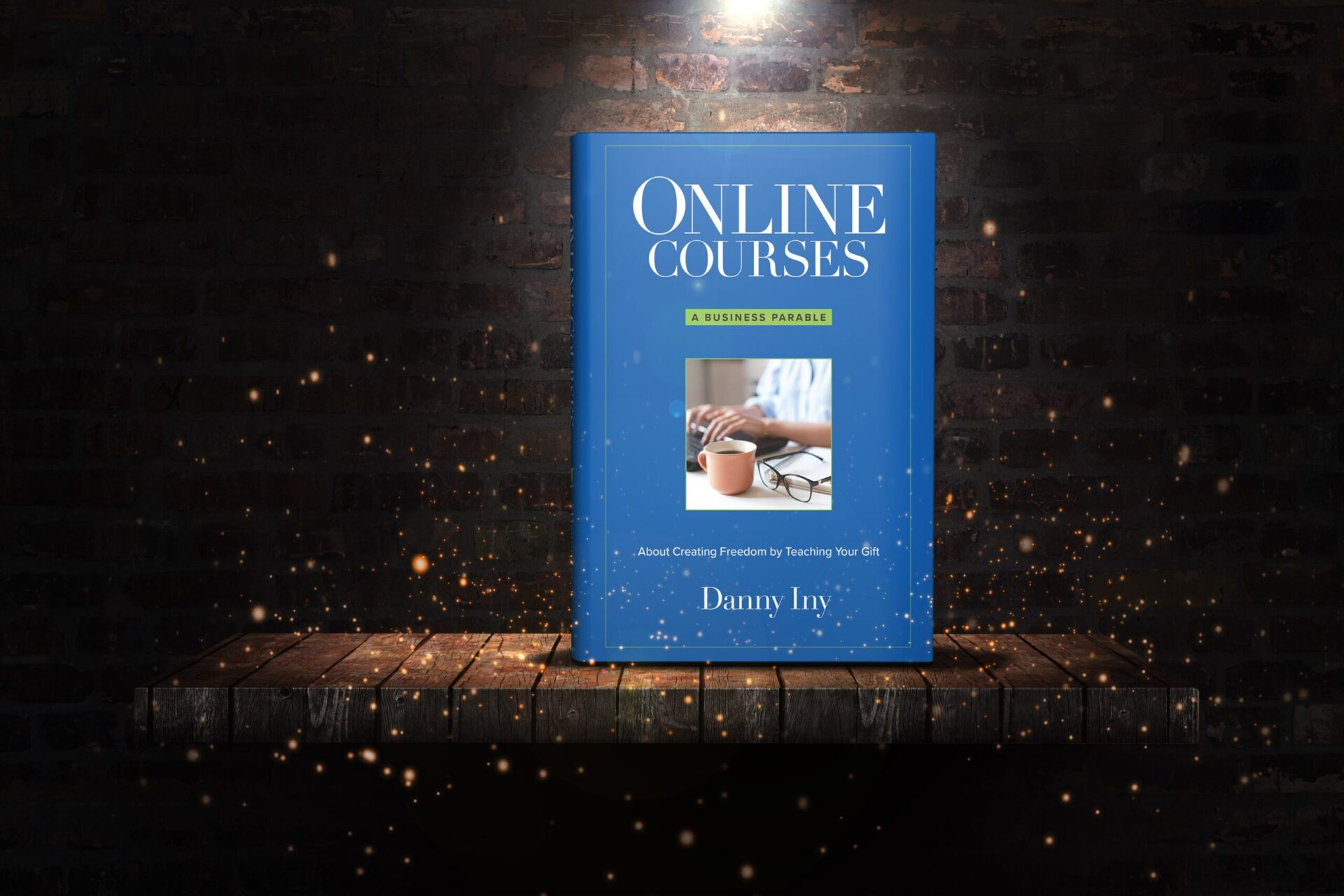
I’ve written about this a lot and based on the reviews that are out there, people seem to like it. In aggregate, they have close to 1,000 five-star reviews. I found that despite people liking the book, often there was a disconnect between what they’re learning in the book and being able to go and do stuff with it. That disconnect is about the fact that there’s a difference between learning about something and the lived experience of doing it. Hearing someone telling you about their ski journey is different from being at the top of the hill looking down and it’s terrifying. Reading a book about parenting is different from sitting across from a three-year-old who’s screaming and throwing spaghetti all over the place. They’re different experiences.
I wrote this book as a business parable. It tells the story of this fictional character. She is modeled after the thousands of people that we’ve trained in this process to show what are the steps in the journey of figuring out what you want to do. What are the demons that you have to struggle with? What are the places where people stumble and need to overcome? What are the challenges that get in their way? It’s meant to be an opportunity for getting the information and learn about all the steps. It’s also an opportunity to ride shotgun on that journey and see what it feels like experientially. That’s what I was trying to do with the book.
I’m going to go out on a limb and predict that it’s going to be as successful as Who Moved My Cheese? back in the day because it’s a parable. Parables are what I’m all about, which is storytelling. When you craft a story that people see themselves in as opposed to listing, “Here are the pain points you might be suffering,” and it goes to, “Here’s a story of Amy.” Suddenly you’re seeing yourself in the book and you’re like, “My name is not Amy but I feel the frustrations that she feels. I went and did something that was a big waste of time as opposed to spending time with my family and feeling guilty for trying to be in two places at once.”
Suddenly the neck gets wider and wider and it’s not even gender-specific but entrepreneur-specific. That’s where you go, “I know ten people that would love this. What a great gift.” That’s where the magic happens in a story as well. When you tell a great story, people remember it and share it. That’s where your brand ambassadors start happening and that’s what makes you memorable. Instead of creating yet another manual on how to launch and create an online course, which you’re certainly an expert at that. If you have a roadmap, you’ve done it.
Part of the reason people join your courses, masterminds and hire you for private coaching. I’m glad that you said it was a little bit harder than even the title because anything that breaks through the clutter is a little bit harder. Do we need another manual? Maybe not. You’re not doing that. You’re giving us the experience of living it as opposed to learning about, “Here are the six steps to figure out what your gift is. You might get frustrated,” whatever the journey is. It’s the classic hero’s journey that there are going to be days that you think, “Why did I even try this?” It’s the trough of despair that entrepreneurs go through so often. If you wanted people to think of this book, what would be one of the main things you would hope they would get out of reading it besides realizing that they have a gift that if they figure out how to monetize it, it’ll give them some freedom?
The number one thing that I’d want people to take away from that, beyond the subject matter and the opportunity of online courses is that if this book does well, it will be because people feel seen when they read it. They’ll be like, “Someone gets it. It’s not just me.” That is something that is so important and necessary for all of us as human beings to not feel isolated and yet it’s such a disconnect for a lot of entrepreneurs.
The reality is that most of the people in our lives, as supportive as they might want to be, don’t understand. They don’t have any frame of reference for what it is that we’re undertaking for the ambiguity, uncertainty, unpredictability and the amount of our identity that we’ve put into what we’re trying to do for the hopes, dreams, ups and downs and the highs and lows. Everything else will be a byproduct. If this book does well, it’ll be because people feel seen and able to relate when they read.
What good parents do is make their children feel seen, heard and acknowledged. What a lot of entrepreneurs or people in big companies forget is their employees have the same needs. It doesn’t go away, “Watch me jump in the pool.” Mom or dad doesn’t go away because you get into Corporate America and the recognition program of all of that. For me, I’ve helped companies make their employees feel seen by asking them what their story of origin is. What made you get into healthcare, for example? Whatever it is that people go, “No one’s ever asked me that before.” It bonds people together.
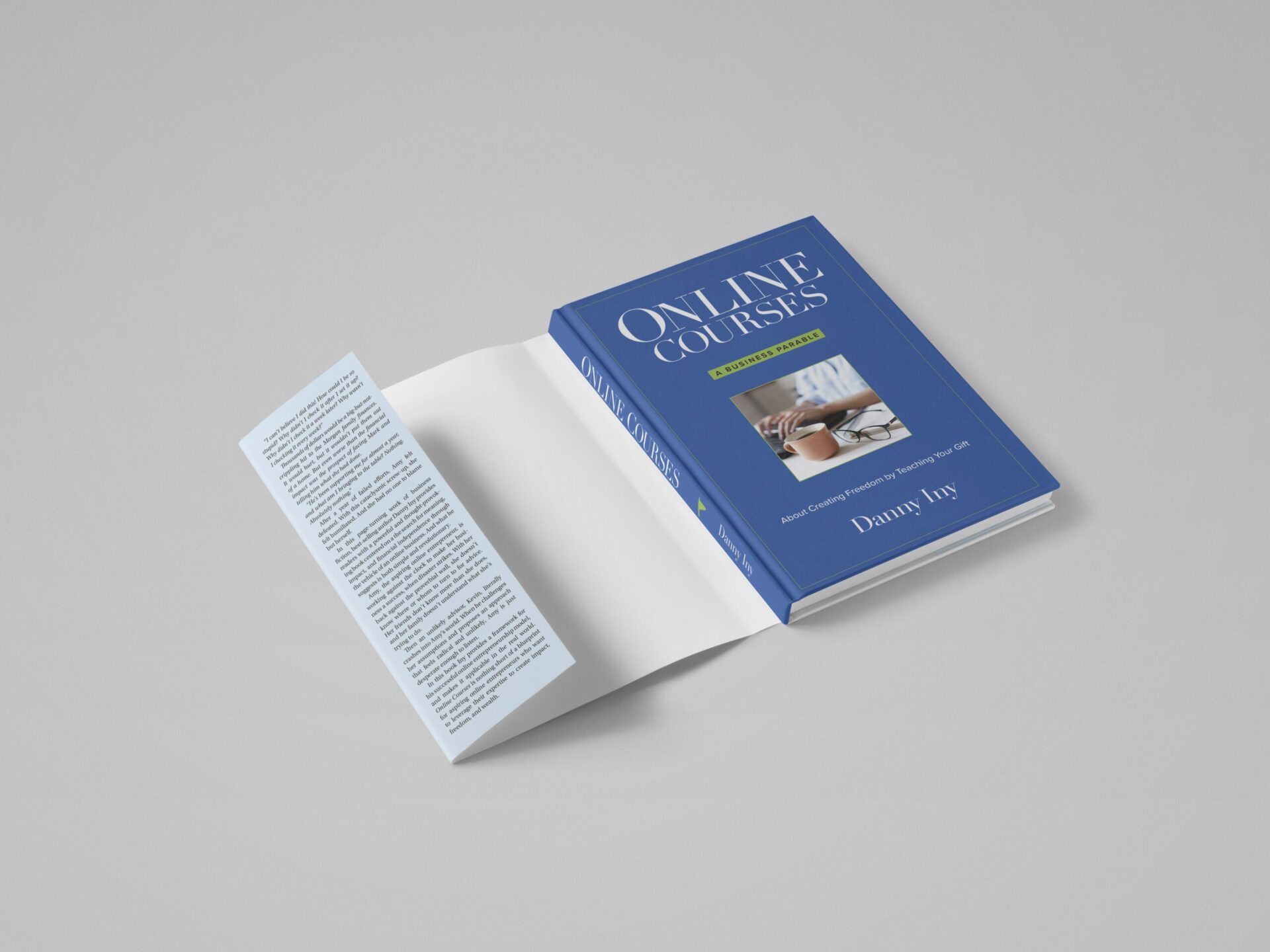
One of the things that I like about your writing, Danny, is the specificity, how specific you are. For example, there’s one line here, “Amy noticed a milk-colored stain on his left shoulder, the sort that a baby would make spitting up on you.” If you are the person that notices those details and you, as a writer, can get that specific because you probably know that people put their baby on that left shoulder, there are 101 details that go into that then we’re in the story. Part of the secret to becoming a good storyteller and a good writer is the exposition, the who, what, where, when. You have such a gift of pulling us into this parable that we’re no longer feeling we’re learning something but we’re in a story. We would be in a movie theater or Netflix. That taps into a different side of our brain, doesn’t it?
It does and it’s gratifying to hear you say that. This is my 11th or 12th book. As I sat down to write this, my first thought was, “I have no idea how to do this.” It’s like I’m completely starting from scratch. What I kept in mind a lot because I’ve been listening to a lot of audio content and audiobooks is I thought a lot about what this is going to sound like. We’re getting it produced. That content isn’t ready yet but we’re getting it produced. I’ve got a team of actors. It’s going to be amazing. I say that while knocking on wood. It’s the famous last words, “I hope it will be amazing.”.
There are people who love this whether it’s a podcast or an audiobook especially if it’s a story and you hear the sound effects like the knocking at the door and you start imagining it coming to life. The other thing that you did that is going to make that Audible so successful and I always teach people that when you tell a story, tell it as if it’s in the present tense that the dialogue is happening now. For example, when I give a keynote talk to sales teams, I talk about the time I got to meet Michael Phelps. I went up to him and I said, “You’re so successful because your physique is crazy, fins and lung capacity. I’m guessing there’s something else.” He said, “Yes, John. When I was young, my coach said to me, ‘Michael, are you willing to work out on Sundays?’ ‘Yes, coach.’ ‘Great. We got 52 more workouts than the competitors.’” I then say to the audience, “What can you do? What are you willing to do?”
That story is connected to an outcome that people can see themselves in but I tell the audience, “If I told you that story in the past tense, I met Michael Phelps. I asked him what his secret is. He told me he worked out on Sundays.” It’s not nearly as interesting. You don’t feel like you’re in the story. You probably wouldn’t remember it as much. I act out with the coach’s voice, what his young voice is. You feel like you’re eavesdropping in on the coach and Michael having a conversation, which is eavesdropping in on the conversation that I had with Michael.
That’s the sophisticated level of storytelling. I’m telling you a story about somebody who then told me a story. The way to keep that all relevant that you do so well in this book is I feel like I’m in the story and listening to the dialogue. That is not something that a lot of authors or storytellers know how to do. We always need some details of interstates left. It’s half an hour later now. We need to know where we are. You also do a great job of expressing internal thoughts and feelings that then get expressed into dialogue. That’s the other thing I wanted to ask you about. When you work with people on helping them create a course, how important is it that they’re identifying the challenges, the pain points that they’re solving in the course by having some specific empathy and ability to describe it?
It’s critical. Here’s the thing, a quality course is like a piece of art. It’s only good in the eye of the beholder. There’s no such thing as an objectively good course or an objectively beautiful piece of art. There is an art that is liked by people. There are courses that are valuable to people. Creating any good course starts with, “Who is this for?” A technique borrowed from the world of instructional design is called Backward Integrated Design. You ask yourself at the end of the day when they’re through with the course, “What do I want them to be able to do?”
You go a level or two deeper. You say, “Not what do I want them to be able to.” You want to ask yourself, “How well do I want them to be able to do it and under what circumstances?” It’s like an active listening course. I’m teaching active listening. It’s like, “Do I want them to be able to go through the motions with their partner in this little exercise? Do I want them to be able to do it in the heat of the moment during an argument with their spouse?” That’s a different level of skill in adopting the techniques. Do you start with who is this for? What will they value? What is the end goal? You work backward in terms of what you’re looking to build. Otherwise, it’s all pointless.
It’s reverse engineering in a clever way. Who do I want this to be for? What do I want them to be able to do after they take the course? What do I want them to be doing in specific circumstances? Was there something else? Was that the gist of it?
What do I want them to be able to do, how well and under what circumstances?

The how well is fascinating because my online course, The Sale is in the Tale, is all about teaching people how to become better storytellers as a sales tool. I will say sometimes that even if you think you’re a good storyteller, this is going to get you to the black belt level. People go, “Oh.” I’ll have students who go, “I always thought I was a pretty good storyteller but now I realized that there is a lot more I can learn to become a great one. Asking these kinds of questions is valuable.” I’m glad you shared it.
When I hired a coach who was a specialist in helping people give a TEDx Talk, we did a similar series of questions where he said, “Let’s pretend it’s at the end of your talk. What do you want the audience to feel, think and do?” That will determine the end of your talk. We’re starting to work on what’s your ending going to be with those three outcomes. That process whether you’re creating a piece of art that’s known as an online course or a piece of art that hopefully is your talk or whatever story you’re telling and whatever format, Audible in your case, we’re coming up next. It’s all about having an emotional impact.
Emotional and tangible. Whatever we do is meant to accomplish an objective so let’s not leave it to happenstance. Let’s not do this and hope it leads to that outcome. Let’s be strategic about making sure that’s where it goes.
You offer such a wide range of ways to interact with you. You’re also a speaker and you get called in major places. Are companies like Google interested in learning how to create an online course for their employees? This is one of my favorite topics that you’re talking about, not just how to get to be the best but how to stay the best. If you look at certain actors, they stay at the top of their game. The other ones, you’ll never hear of again or like a Blockbuster or Kodak. This ability to get to the top and stay at the top, my first question around that is what’s harder, staying at the top or getting to the top?
Staying at the top. I don’t know if you remember the movie Dangerous Minds in the ‘90s with Michelle Pfeiffer. She does this exercise with the kids. She says, “Everyone has an A as of now. You just have to work to keep it.” In the end, she’s got all these kids with A’s and they’re like, “It doesn’t count because you gave us the A to start.” She’s like, “Anyone can earn an A once. You kept the A for the whole year.” That’s the hard part.
The other part of what you do is very niched, which is the unspoken problem that a lot of companies don’t like to talk about, the cost of turnover. You’ve got to spend time interviewing, training, onboarding. Are they going to fit and become family? Meanwhile, there’s this gap of talent and productivity that’s not happening because you’ve got a gap that somebody left. The joke is nobody leaves a job, they leave a bad boss. You’ve been able to figure out how to take your skills and training. Is it because part of the problem is people aren’t onboarding properly and that’s why people aren’t able to attract and keep the best talent?
There’s a flywheel that goes in either direction. It can be a vicious spiral of not onboarding people well and you don’t have good support or infrastructure. You don’t have a good culture. You don’t have good values as an organization. It’s not a good place to work so you don’t attract customers. You don’t make much money so you can’t support people well. It’s a downward spiral. They can also go the other way. You invest all of your relationships. You invest in relationships with your customers and the people that you work with. You constantly look to get a little bit better. You have values that both attract and repel. Clear and articulated values should attract the right people and repel the wrong people. Does that mean you never make a bad hire? No, but the frequency goes down. You catch it sooner and you keep getting better. That’s what it is.

It’s almost testing ads online. You get to test. You iterate and let’s change that headline or image so now it gets better. Is it always giving us the best potential buyers? No, but the leads and the frequency get better. It’s the same thing with the hiring process using your structure and your insights on how to attract the best and repel. That’s the old concept that a lot of people have forgotten. If you try to be everything to everybody, you’re nothing. A big mistake I see a lot of entrepreneurs are making and I would love your insight on this because it keeps coming up, “What I do is complicated. I do ten things.” Even Amazon sold books first and got proof of concept. Trying to do more than one thing before you get some traction is a mistake that I see a lot. Do you see that? If you do, what advice do you have for people that make that mistake?
I do see that a lot and I made that mistake earlier. What I’ve come to understand is there is a difference between all the things you could do, all the things you should do but even beyond that, what you are known for. I am the online courses guy. That is what I do. I teach people how to take their expertise and turn it into online courses. Do I know other things? Can I do other things? Do I even help my students with some other things? Yes but that’s not ever what I lead with. I teach people how to build and sell online courses. Once they know, like and trust me and they’re in my world, we can talk about other things if appropriate. To the world, to the people who are not yet my customers, I teach people how to build and sell online courses.
It’s hard to top that. That’s brilliant. “Be known for one thing,” that’s going to be a tweet for sure. Amazon was known for selling online books for a long time. Imagine if they tried to launch selling everything they sell now and have TV shows. People are like, “What?” That ability to enter your world is my favorite description of that. What else have you got and what else can you help me with becomes a natural journey that you take us all on. Any last thoughts or quotes you want to leave us with?
In the spirit of the story, something that I tell my students often is the journey of online courses, the journey of business will involve ups and downs and setbacks and challenges along the way. What I often tell my students is that failure is only failure if it happens in the last chapter. Otherwise, it’s a plot twist and the spirit of the story.
That’s a great description. That’s a plot twist. The story’s not over yet. I love it. Thanks, Danny.
Thank you so much.
Important Links
- Mirasee
- Online Courses: How to Create Freedom by Teaching Your Gift
- Teach and Grow Rich
- Leverage Learning
- Teach Your Gift
- Effortless
- Who Moved My Cheese?
- The Sale is in the Tale
Wanna Host Your Own Podcast?
Click here to see how my friends at Podetize can help
Purchase John’s new book
John Livesay, The Pitch Whisperer
Share The Show
Did you enjoy the show? I’d love it if you subscribed today and left us a 5-star review!
- Click this link
- Click on the ‘Subscribe’ button below the artwork
- Go to the ‘Ratings and Reviews’ section
- Click on ‘Write a Review’
Love the show? Subscribe, rate, review, and share!
Join The Successful Pitch community today:
- JohnLivesay.com
- John Livesay Facebook
- John Livesay Twitter
- John Livesay LinkedIn
- John Livesay YouTube
The Amazon Jungle With Rick Cesari
Posted by John Livesay in podcast | 0 comments

The Amazon Jungle cannot be traversed without proper planning, knowledge, and tools. The same goes for every entrepreneur who tries to make it big in its online platform counterpart. Rick Cesari joins John Livesay to talk about finding success in the vast jungle of the internet: Amazon. Rick stresses the power of storytelling in connecting with your target audience, particularly in the form of backstories and customer testimonials. He also explains how to take advantage of digital media and why enticing videos are much more desirable to Amazon buyers than simple text and pictures.
—
Listen to the podcast here
The Amazon Jungle With Rick Cesari
Our guest is Rick Cesari, the author of The Amazon Jungle. We talk about how it is a jungle out there trying to sell products on Amazon and break through the clutter. He’s got the perfect experience in his book and in this interview to show you how to make your brand stand out, how to connect, and more importantly, the power of using video as a way to engage people emotionally. Enjoy the episode.
—
Our guest is Rick Cesari who’s been a pioneer in the direct to consumer marketing industry for more than many years. Using his carefully vetted direct response strategies, he helped many build iconic brands and products, including the Juiceman, Sonicare, George Foreman Grill, OxiClean, Clarisonic, Rug Doctor, and many more. As an entrepreneur, author, and speaker, he’s the recognized leader about anything to do with the video. We all know video is important. He’s on the cutting edge of direct response and branding campaigns and his book, The Amazon Jungle talks about how to navigate that complex marketplace. Rick, welcome to the show.
John, thanks for having me on. I appreciate it.
Let’s go back as far as you want. Childhood, school, college, whenever, what propelled you to get into the world of marketing, or maybe you saw some infomercial when you were younger and say, “I want to do that?” I’m not quite sure, but I’m sure the answer is going to be interesting.
I’ll go back to college because my degree is in biology. I was hoping to be a Marine biologist one day. I graduated from college and I knew that I had to go on to graduate school if I wanted to do anything in my field. I was living in Florida at that time and I was doing odd jobs. It’s a little bit of a fun bum type of thing. I was a bartender, lifeguard, and anything to make a little bit of money. I started reading a lot of books about how millionaires made money and it turned out a lot of them made it in real estate.
I started reading a lot of books about buying and investing in real estate. Some of the books at that time were like Robert Allen’s No Money Down book, that type of thing. I started going out, doing that and taking some seminars. I met a guy who was putting on these seminars. I went out and did what he said. I bought a house, turned around, sold it, and made like $12,000. For me at that time, I was 21 years old, it was like $1 million. I was happy about it. I called the local Florida business magazine called Florida Trend. They did a story on the guy and his business took off. He asked me to start working with them and that’s how I got into marketing. I got it to promoting real estate seminars.
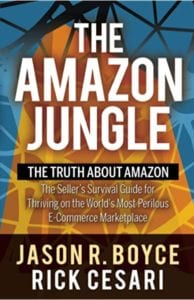
The Amazon Jungle: The Truth About Amazon, The Seller’s Survival Guide for Thriving on the World’s Most Perilous E-Commerce Marketplace
To show you how long ago this was, it was the mid-‘80s. We were using newspaper ads as our advertising vehicle. I did learn a lot of good lessons about direct to consumer marketing and what to put in an ad to get people to respond. Your show is all about the pitch. The pitch was important more from a sales pitch perspective with us because we’d have to get up on stage and convince people to buy a two-day $500 seminar. Little things that you changed while doing the pitch affected the results. That’s why I learned how to sell. I was able to take everything I learned in promoting these real estate seminars, my passion was health and nutrition.
I met a guy who was doing these small seminars and I felt like I could help him be successful. His name was Jay Kordich known as the Juiceman. I took the concept of the models we were doing with real estate seminars but used them to promote juicing seminars or health and nutrition seminars. The name of that company was Trillium Health Products. We were in the right place, right time with the right product. That business grew to $75 million in sales in only four years. We were able to sell it. Timeframe wise is about 1993. We’re still pre-internet. A company out of Chicago named Salton Housewares bought it for two reasons. They wanted our brands that Juiceman and Breadman, but they also wanted to know how to do the type of marketing I was doing.
They brought me a product which turned out to be the George Foreman Grill. I did all the television marketing for that. From that point, I got into the agency business by accident. People were coming to me saying, “Can you make a show or direct response commercial for us?” Sonicare was next and then OxiClean. I was fortunate to work with a lot of great products and watched how the business changed over the years. Starting before the internet to where we did all the television marketing for GoPro and the commercials, but then how you had to have a great online strategy as well as that. I’ve been in the business of pitching products through all of the different campaigns and things that I’ve done and figuring out how to get people to respond to what we said in our pitches.
I’m fascinated especially with something like GoPro, which is all about video. You’re creating a video to promote something that tells people to create their videos. You’re going down the rabbit hole there which is art imitating, life imitating and all that, which is great. When I was selling advertising for Condé Nast, Clarisonic was one of my clients. I used to drive down from LA to San Diego to talk to the agency about that. What a fascinating product and for those who don’t know, it’s a way to clean your face as if you’re getting a facial at home, it’s the quickest soundbite I would have for that.
I have a good kind of Clarisonic story too. The management team that started Sonicare did the marketing for that. They sold that business to Philips Electric for about $500 million.
[bctt tweet=”Stories give you an emotional connection. Video is a powerful way to connect with buyers.” username=”John_Livesay”]
For people who don’t know what that is, that’s for getting your teeth clean.
They held back from the patent or the sale to Philips the Sonic Technology for face cleaning. They started this whole other business, did the same exact marketing, they build good products if you’re familiar with it and started the Clarisonic, but it was a mirror of what they did with Sonicare. In both cases, the thing that launched both those businesses, they had some type of in with Oprah Winfrey and they got the Clarisonic skincare brush on Oprah. As soon as they do that, the business exploded and took off. It’s a fantastic product. It worked well.
Your book, The Amazon Jungle. You’re talking about that. I have a story of a founder I helped with his pitch who because in his culture, it’s a rite of passage into manhood was dropped in the Amazon jungle naked at eighteen after growing up in the Netherlands. He had to survive there for two weeks. I talk about lessons learned from the Amazon jungle, taking it to the concrete jungle of being an entrepreneur as part of his story of why investors invested with him. I love the title, The Amazon Jungle. I know it’s not your first book. What made you want to write this book?
Years ago, I got asked to do the keynote presentation at something called The Prosper Show. It is the main trade show for third-party Amazon sellers. At that time, my background was in direct to consumer marketing, but I knew very little about this platform that a lot of people were having success on. I gave that presentation and my eyes were open because I sat into a lot of the different seminars that were going on. I wanted to learn as much as I could about Amazon. I met a guy there who was at the Top 200 Sellers, named Jason Boyce. It turned out, he lived in Seattle where I live. We started dating together every Friday for coffee and he would pick my brain on what I knew about direct to consumer marketing and direct response marketing.
I pick his brain on Amazon and we came up with the idea said, “We should turn these conversations we are having into a book.” A lot of it is Jason’s expertise. He’s been selling on Amazon since 2003. He built an eight-figure Amazon business and he was at the Top 200 Seller. Now, he has an agency called Avenue 7 Media, but the book is a guide. When you talk about your friend being in the Amazon jungle, that’s scary to me.
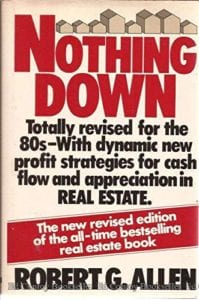
Nothing Down: How to Buy Real Estate With Little or No Money Down
If you do that without some type of guide, knowledge or whatever, you can lose your life, worst-case scenario. With the Amazon jungle, it is like that. It’s very difficult to set yourself apart. There are over a million third-party sellers. How are you going to differentiate your products? The book is a guide for anybody that wants to sell on Amazon from point A to point B. Everything you need to know, even going back to pick a category, a product, how to differentiate your product, how to optimize your listings, a step-by-step guide to be successful on Amazon.
You talk about the importance of sharing your story. That resonated with me that storytelling allows us to build trust. Do you have an example of the client that you’ve worked with that told their story as it related to a product they were selling and why that helped them break through the clutter?
It ties into Amazon a little bit. I’ve been doing that with almost every product we mentioned so far in the show. A good example of one, there were these two sisters that were from Taiwan and they were selling a product on Amazon called Puriya, which is a skincare cream that helps fight eczema. The name of the product was The Mother of All Creams. They were doing very well on Amazon. They came to me and they said, “How can we help our business?” I took one look at their website and the problem with a lot of Amazon sellers is, Amazon does all the marketing for them. They don’t have to do much outside of Amazon.
I felt like, “If they could tell their origin story, it helped their business. It gave some background to their product.” I helped them create an origin story where they grew up in Taiwan. When they wanted to treat an illness, their mother would go to the farmer’s market and buy different herbs. It was this recipe that they put into their product. That’s why they named it The Mother of All Creams because the recipe came from their mother. We put that on their Shopify site. Now, when somebody is on Amazon and saying, “Why should I buy Puriya?” They’ll go check the website and they see that there’s a story behind this product. It’s not some product that’s out of thin air. That’s a good example. Their business is thriving now. Not in the whole part of the story, but it helps build the brand.
That was my question that you’ve answered is the story doesn’t necessarily live in the product description on Amazon, but hopefully, there’s something in there that incentivizes people to go read more about it on the website.
[bctt tweet=”If people like your product or service, they’re more than happy to talk about it.” username=”John_Livesay”]
I’m a huge advocate of origin stories and tell the background story. If I start working with a client, I do a lot of marketing consulting these days. The first thing I do is go to their website, look at the About Us page, and see what happens. When I first come to the website, I’d love to see a video story of who we are, what we do, and why we’re different than the competition. If I want to dive into more detail and if a website doesn’t have that information, that’s one of the first things I tell people to do is to put that story in there because it creates credibility and authenticity to a product and helps their brand in general.
Also, the emotional connection.
That’s the most important part.
Do you have a lot of your clients putting short little videos on their Amazon product, whether it’s a testimonial?
I’m a huge believer in using video. I’ve used it for the many years. First on TV. Now online with Facebook and YouTube. There are all statistics about how powerful video is, and it’s an easy way for people to get information. Amazon is slowly opening up their advertising and even their product listings to include more video. I’m a big advocate of people using video as much as Amazon allows them online. I’m an advocate for doing that.

The Amazon Jungle: Stories create credibility and authenticity to a product and help build a brand in general.
Is that something that they can shoot on their iPhone, or do they need to hire a professional agent?
It’s funny you say that because I come from the background many years ago of you couldn’t go do a video shoot for less than $10,000 because of expensive camera lights. In testing that we’ve done and it’s obvious because of social media, people respond to video that is shot on an iPhone or whatever type of mobile device you have. More so than a very slick presentation. There are a couple of little things and your audio quality is always important. You need to have a nice little microphone and the lighting is good, but if you can go online and look at some basic video production techniques, the technology of mobile phones these days is almost as good as a $50,000 camera, ten years ago.
Since you’ve analyzed many different people selling things on Amazon, what are the common traits that you see that the top sellers have?
What a lot of sellers don’t have and you or your readers can go onto Amazon. Let’s use a coffee maker, for example, big brands that you’ve heard of. You’ll look at the product listing and you’ll see an image, a shot of the product from the front. You’ll see it from the side and they’re boring. They’re almost like something you’d seen in the instruction guide. What I’ve worked with Amazon sellers that we talk about in a book is use those listings. We took this from our success on TV. Each one of those listings should almost be like a magazine ad. If you’re going to show a coffee maker, call out the benefits of the coffee maker and use infographics so that when you’re looking at the image, you talk about the timer.
What’s the benefit of having a timer? You have delicious coffee ready for you when you wake up in the morning. Put people in your images. I was working with another guy who sold gaming products, foosball tables, ping pong tables, and he showed these products, but they didn’t have many people in them. I go, “You got to show people using the products.” It’s a simple thing that seems common sense to a lot of people. You see a lot of Amazon sellers not doing it. Those are some of the suggestions we talk about in the book and I bring to people when they ask.
[bctt tweet=”If you’re marketing a product, you must have a good foundation on Amazon.” username=”John_Livesay”]
It’s a lot like SEO with Google, where part of the problem is, if you don’t show up on the first page of a search for a product, then nobody finds you and you’re helping the book, gives some steps on how to get your product to show up fast.
We do talk about that. Yes, that is a problem. The goal is to be on the first page or first search when you come up on Amazon. We do talk a lot about how to do that with SEO, how you’re advertising both on Amazon and off Amazon can help you do that, people that are leaving reviews, and the importance of reviews. I’m a huge advocate of authentic testimonials. Mainly because they help tell your product story in a very authentic, credible way. I talk to people all the time about using real consumer testimonials on their Amazon reviews, but I tell them to take it a step further and try to get those people that are leaving reviews and do some video testimonials if possible and put those on your website. To me, that’s one of the biggest selling tools that you can have.
When someone left a review for my book, they put their picture with the review, as opposed to being the words, which I thought, “Even just that makes it pop.”
It adds a dimension. I do a little presentation on that. I talk about testimonials and exactly what you said, the basic layer is written with someone’s name, but if you add a photo to that, that’s even better. If you add audio to it, it’s even better. The ultimate is a video testimonial. Believe it or not, advertising wise, the more that you have in that testimonial from the standpoint of video or whatever, it will convert better than just a written Amazon review.
Do you have any tips on what people should do to try and get authentic reviews?

The Amazon Jungle: The goal is to be on the first search results page when you come up on Amazon.
I have one thing. Send me an email at [email protected]. I have a free download. It’s a six-step email template that if you have a database of customers, and even if you have 50 customers, this will still work. It’s something that I’ve used over the years to get people to come in and do a testimonial for you. I find that a lot of people that are product owners are afraid to reach out to get testimonials from people that have used their products. I’ve always found that if people like your product or your service, they’re more than happy to talk about it.
This email sequence is something that you can use to send to your database of customers. It’s a way of setting up and getting testimonials that you can interview. That does two great things. You can get a video testimonial of people that you can use in your marketing, but I also found it’s a great tool for product research. The feedback from someone, if you sit down and ask someone twenty questions, “How did you hear about my product? Why do you buy it? What do you like? What do you don’t like?” After interviewing ten people, you start to see a bunch of trends, and those are things that you can use in your marketing.
I do that with the students that have taken my online course. In the Facebook group, I’ll say, “What was the big takeaway from the session?” It’s fascinating to see 6 out of 10 people saying the same thing. “I learned how important it is to make my pitch conversational. I need to stay concise.” When other people keep reinforcing that that was their takeaway, the students locks in even stronger than just themselves thinking about it. Having people say it out loud, not only helps them, but also the sense of community. It helps me with my marketing knowing what to focus on for future students. If you’re struggling to say, “Be concise.” If you’re struggling not to sound like a robot, then you might need to learn how to tell better stories. It’s a continuous loop is what I found.
It’s a feedback loop. It’s awesome that you’re doing that. You’d be surprised how many people, course owners, product owners don’t talk to their customers. I got a funny story about Sonicare. We were going out doing interviews for Sonicare and we didn’t know what all the marketing messages were yet. It was a relatively new product. After interviewing about fifteen people, probably about half of them said that they had gotten better dental checkups since using the product. We put in the “the better dental checkup guaranteed” that if you bought this product, we guaranteed you have a better dental checkup or your money back. That came from customer feedback.
I’m not trying to imagine what is important to people, but hearing it. If that’s your ideal client, then that’s what we want more of. Let’s also talk about defending a brand. If we don’t have a strategy that sometimes marketing dollars that we think are driving traffic to our product, go to our competition. How does that work at Amazon? Is that unique to Amazon or is this true everywhere?
[bctt tweet=”Start an Amazon business with a product. Having a lot of money is not needed.” username=”John_Livesay”]
That’s probably true anywhere, but Amazon’s a good example. A few years ago, I underplayed the importance of Amazon. Now, you can’t. They own 50% of all the online sales in the US. They’re a gigantic place where people like to buy because it’s convenient and they get good prices. I always tell people, if you’re marketing a product, you have to have a good foundation on Amazon. Otherwise, any advertising dollars that you spend anywhere else people will end up searching automatically on Amazon for your product. Even if you tell them to go to your website, or you have some other special offer place, they can buy it. They’re going to check Amazon first. If you aren’t there and have a good brand page or good listing set up, your advertising dollars are going to drive somebody to buy your competitor’s product. It’s important to have a good Amazon foundation set up before you start spending a lot of ad dollars in other places.
Do you recommend that people start getting a product from China or something and then marking it up and then trying to sell it on Amazon? It’s something that they should have some experience with or where does somebody start to even think, “I guess I like it?” Does it require a certain minimum amount of money to make all this work?
Any business requires a certain amount of money. Starting an Amazon business is pretty low, you don’t need a lot of money. You do need to start with a product. We have an entire chapter devoted to a couple of things. You don’t know where to start. We tell you, “Think of your personal interest, whatever is your interests. You might have a pet. Let’s look at the pet category.” We tell you in the book the way to check different areas of how they’re doing because you don’t want to go into an area where there’s no sales or no interest, or nobody’s searching for it. We tell you to pick out an area where there is a lot of upside opportunity.
If you go over to China and you are going to find a product to market on Amazon, how to make that profit product different than the competition? The last thing you want is they always say, “There are 100 people selling toasters or blenders on Amazon. It’s a race to the bottom, whoever has the lowest price.” We go the opposite direction and say, “How do you take a product and make it more into a brand and differentiate it before you start selling on Amazon?” There some simple design tricks that you can work with the factory. My co-author Jason had an eight-figure Amazon business. He was selling on Amazon since 2003 and has made every mistake under the book. The book is a way of learning from other people’s mistakes.
We do get into various specifics things of doing it. It’s amazing things you find. One of our clients at Amazon Avenue 7 Media is a company that makes wheelchairs for dogs. You’d never think that that’s a big category. They get the same injuries as humans. They’ll torn ACL and they need to use these things. You would think of yourself, “That’s not a very big category.” These guys are doing six-figure business every month. It’s amazing what you can do if you do a little research and we show you how to do that.

The Amazon Jungle: The more testimonial videos you use, the more it will convert than just a written Amazon review.
Any last thought or a quote you want to leave us with?
If I tie it into the book, the biggest thing, and it relates to your friend’s story is that if you’re a seller, Amazon isn’t your friend, they’re your competitor. If you need a guide so that you don’t fall into a trap and let Amazon take advantage of you. We spent a lot of time telling you the pitfalls, what to look out for. It is almost like a map or a guide to be successful on Amazon. That’s probably the biggest thing.
The book is The Amazon Jungle. You can find it on Amazon as well as Rick’s website. Rick, thank you for sharing your fascinating background and all the successes you’ve had and how you continue to go from promoting something in a newspaper to not promoting the Amazon is the new newspaper in a weird way that everyone uses now to access and find information.
Thanks for having me on. I appreciate it.
Important Links
- The Amazon Jungle
- No Money Down
- Trillium Health Products
- Condé Nast
- Clarisonic
- The Prosper Show
- Avenue 7 Media
- Puriya
- [email protected]
- RickCesari.com
- Better Selling Through Storytelling Method Online Course
Wanna Host Your Own Podcast?
Click here to see how my friends at Podetize can help
Purchase John’s new book
John Livesay, The Pitch Whisperer
Share The Show
Did you enjoy the show? I’d love it if you subscribed today and left us a 5-star review!
- Click this link
- Click on the ‘Subscribe’ button below the artwork
- Go to the ‘Ratings and Reviews’ section
- Click on ‘Write a Review’
Love the show? Subscribe, rate, review, and share!
Join The Successful Pitch community today:
- JohnLivesay.com
- John Livesay Facebook
- John Livesay Twitter
- John Livesay LinkedIn
- John Livesay YouTube