

Dream Business Mastermind With Jim Palmer
Posted by John Livesay in podcast | 0 comments

Creating a successful business is more than just financial gain; it’s about achieving a satisfying lifestyle by doing what you love and living life on your own terms. In this episode, we have Captain Jim Palmer, the Founder and Creator of the Dream Business Mastermind and Coaching Program. Jim shares his fascinating background and journey to becoming a successful entrepreneur and business coach. He shares his unique approach to creating dream businesses and how he has helped hundreds of entrepreneurs achieve their goals. He discusses his “big adventure” lifestyle, working only three days a week and spending the rest of his time renewing and doing what he loves. He also shares the challenges of living on a 50-foot boat during the pandemic, and how he and his wife overcame them. Jim shares his expertise in helping entrepreneurs get lucrative, high-ticket clients and his unique approach to handling objections. He also discusses the importance of empathy and understanding your audience when creating marketing materials. Tune in now and learn how to start creating your dream business.
—
Listen to the podcast here
Dream Business Mastermind With Jim Palmer
Our guest is Captain Jim Palmer. He is the Founder and Creator of the Dream Business Mastermind and Coaching Program. He is also the Creator of Dream Business Academy and the host of Dream Business Radio, which is a weekly podcast based on his unique brand of smart marketing and dream business-building strategies.
His other business ventures include No Hassle Newsletters, Success Advantage Publishing, and How To Sell From The Stage Like A Pro. He is the developer of The Cashflow Conversation Code™ and the acclaimed author of several books. In 2016, after raising four kids and leading a practical and predictable life, Jim and his wife, Stephanie, sold their home in suburban Philadelphia and are now living and traveling on their yacht. They call it the Floating Home. Jim, welcome to the show.
Thanks for having me on. I’m a big fan of your show.
I wanted to ask you your own story of origin before we get into this major decision you and Stephanie made. How did you get into learning about creating dreams for yourself and all these hundreds of entrepreneurs that you have helped?
Many people ask me, “Do you work three days a week?” I have for the last several years. Part of my backstory is I had cancer at 41. I was out of work at that time. It was a low point in my life. When I decided to start my first business for the next several years, as I’m sure a lot of entrepreneurs can attest, it was the old 80-hour-a-week nose to the grindstone.
After three years, I started doing okay. Five years in, I started learning about internet marketing from Corey Rudl. I got introduced to Dan Kennedy and that whole group. It took off from there. That is when I started No Hassle Newsletters and five other internet businesses. I started coaching in 2009, but somewhere around 2014 or 2015, things were great. A friend of mine said, “Are you ever going to buy a boat, or is that something you are going to talk about the rest of your life?”
[bctt tweet=”You grow faster when you take time off to renew.” username=”John_Livesay”]
It was my own words right in my face. We all have friend friends, but this is one of two people who know so much about me, my struggles, my bad money mindset, and all the different things. He is one of my personal mentors. We have mentored each other. He said, “You are much farther along than you said you wanted to be when you would get a boat, slow down, and start enjoying life.” I’m like, “My own words are coming back to bite me.”
I did buy a boat because I couldn’t face the prospect of being that wooz who talked a big game. We bought our first boat. Stephanie and I loved boating on the Chesapeake Bay on the weekends. It was a 30-foot boat. We could sleep on it. At that point, I loved it so much. I said, “I’m going to stop doing coaching calls on Friday so I will always have a three-day weekend.” About a year later, I liked that so much. I said, “I don’t wanna go back to work on Monday.” I took off Monday as well.
I made it sound easy, but it was not. It was a little scary. What is going to happen to my business? Over the course of a few years, John, I got clear on what I wanted the next several years of my business to look like. I didn’t want to keep working 80 hours a week. At that point, we had paid down debt. We were able to make some good decisions, but I got clear on what I wanted my personal life and business life to look like. I wanted to work three days a week. I thought that was amazing.
I did a little reverse engineering and figured out that if I’m busy on Tuesday, Wednesday, and Thursday and I have the right client mix, I have three different levels of coaching programs, I can earn what I need to earn to fund our lifestyle and keep the fund for retirement. This is how much I need. I figured it out, took that shot, and it works. Many people read the stories or hear them, or people that work and face plant on the desk.
The other big pivotal point for us was when Stephanie left her high-pressure job. I’m location independent, but she had a job to go to. When she stopped working, she said, “We should go on a big adventure. Kids are gone. Both of the girls are married. The two boys are on their own. Why don’t we do something fun and not wait several years?”
Long story short, we thought about a lot of different things and said, “Why don’t we live on a boat for a year?” We sold our house and 1 of our 2 cars. We sold the 30-foot boat and bought a 50-foot boat and moved on that boat in April 2017. I’m not having a lot of experience, and when I say not a lot, not having any experience driving a 50-foot boat in the ocean. Our first trip was from the Chesapeake Bay to Rhode Island.

Dream Business: Don’t charge based on the number of calls or the hours. Charge based on the transformation somebody is going to have.
How long did that take?
It is 330 miles. It was about a five-day trip. It could be longer if you have to stay in port due to the weather because being in the ocean could be a little rough. You have to wait for a calm day. Funny thing, John, we loved it so much, even the challenges and having the occasional pee-your-pants-with-fear. Our big adventure became our lifestyle. We did it for five years. Winter of 2022, we traveled down to the Keys and then back to the Chesapeake Bay. We sold the boat in July 2022 after 12,248 miles.
We are going to live for a year or maybe longer on land but in a stationary environment to be near the kids and grandkids. Stephanie’s dad passed away, but because we were here and close by, that was special. That is where we are now. I’m not rocking myself to sleep in the boat. We are on land now. Who knows what we will do? We are thinking of maybe a land yacht, like a big RV, and traveling the country. I would love to go out West, Midwest, Dakotas, Montana, and Wyoming. I would love to see all of that before it is unsafe for me to drive.
I love this line you said, “Our big adventure became our lifestyle.” What a great brand that is. Let me ask you a couple of questions. Do you find working 3 days a week and having 4 to renew and do what you love that you are somehow more refreshed, which makes you more productive on those 3 days that you are working?
That is part of it. When we were on the boat, one of my challenges was no matter where we were, I needed good Wi-Fi because your client calls unlike several years ago when it was Skype audio. It became Skype video and now it is on Zoom. That is data intensive. I’m not plugged in so I needed portable Wi-Fi. Other than that, I have to manage my energy level. Instead of having 5 or 6 calls in a day, you get a little break in between. I’m busy 2 of the 3 or maybe 3 days because you are compressing about a week’s worth of normal flow client calls into three days. By the end of it, I’m brain wary and probably shouldn’t do heavy math. Don’t take the boat off the dock when you are this tired because that is when mistakes happen.
I learned many years ago from another mentor of mine, Melanie Benson. She told me, “Jim, you are working way too hard.” I say, “I got to keep growing.” She says, “You will grow more if you would take time off.” She pushed me. She said, “Take the next 3 or 4 days off.” I took one. I shut everything down. I drove up to the Eagles training camp. It is something I have always wanted to do, and I did it. I thought about my work on the drive. I took my camera. I was doing videos at that time. I shot a video, but I was out of the office. There is something to be said for quieting yourself and getting refreshed.
[bctt tweet=”Sell the outcome not how you do it.” username=”John_Livesay”]
All of us were confined during the pandemic to spaces that we hadn’t planned on being confined to. In your case, it was a 50-foot boat. Were there any challenges like, “I wish we could have more space?” Did you find that you got on each other’s nerves being in a smaller space than you might have been used to before?
There are moments because of the lifestyle. Stephanie and I were together 24/7 for five years, other than when I would work. Sometimes she would explore and go off her bike ride. She got a paddle board. During the pandemic, almost our life didn’t change at all. We were in a marina. We were in Cocoa Beach, Florida, when that happened, and the town had shut down. We could go out for a walk or go bike riding. There are no cars. There’s nobody out. It was strange. We wanted to see the town, but every restaurant was shut down. This is the early two weeks to slow the curve. Everybody was inside.
I would be walking and somebody is coming the other way. Half a mile away, they see us and cross the road. I remember the early days when you didn’t know what the heck was going on. As far as our own life, it didn’t change. We didn’t leave the marina because they weren’t taking anybody in. If we had left, we would have had no place to go. We are not self-sustaining. I need to be plugged in. I have a generator but there are certain things. I have holding tanks. They eventually get filled. Generally, our life didn’t change too much.
Let’s dive into some of your expertise, which is helping entrepreneurs get lucrative, high-ticket clients. That is my background as well, which is selling. Everyone has the objection of, “I like to hire you and buy this program and course, but I can’t afford it.” You help people handle that objection in a fairly unique way. Can you give us a little hint of what that looks like?
There is an expression that Dan Kennedy said, and I love it to death. It was like, “Slow down the sale.” You don’t go, “I’m Jim. Do you want to buy my high-ticket coaching program?” On a blind date, you are like, “Do you want to get married and have kids?” It is very icky to do that. It is a whole strategy, but the big nub of it, John, is if you give people enough opportunity to get to know, like, and trust, that happens over time. People could take all of my books and read them in the next 30 days, but they still don’t know me well enough. They are going, “This is a good book.” It is a process. You have to get to a point where you are not cash-starved in every potential sale and make it or break it for your business. That is not what this is about.
The other thing which I’m a big fan of is stair stepping it. Don’t go right for the big sale. I have read a lot of books in my earlier life about mergers, acquisitions, selling businesses, and franchising. One of the things I learned in the MA world is that sometimes a company would be bought whole, and it has several divisions. The person would buy it, split up and sell the divisions for more than they bought the whole company for meaning it is worth more in its pieces.
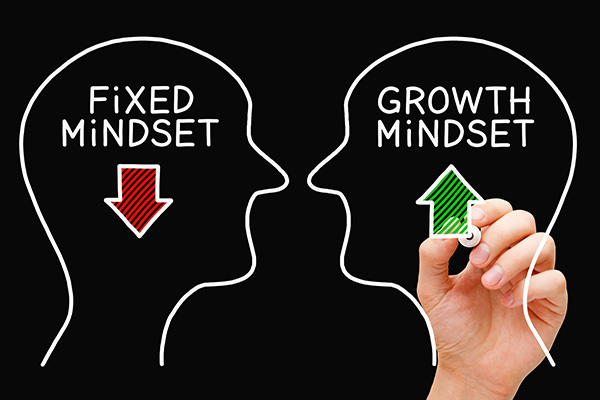
Dream Business: Every time you make a leap, it is a different mindset. You are making different decisions. You are making them faster. They are larger.
As I got more into coaching and started teaching other coaches, I said, “What you want to do is not sell them your annual program. Sell them something like a 90-day fast start.” That will be attractive for a couple of reasons. Number one, it is a lower threshold. It is only 90 days. I’m not making a year’s commitment. It is also going to be at a lesser price point. You just wow the you know what out of the whole 90 days and deliver so much value. They are going to be breathlessly saying, “What’s next?”
Not to be too crass, but the wallet will open up and say, “I don’t want to stop, do more.” This is the next step. That could either be two steps to fast start into a big program. There could be three steps to it. I’m not allowed to use some of their names. I have my mastermind, and people sometimes know who is in that I have some private clients. In one of the deals, some people know who they are, and they don’t want to say, “I’m getting coached.”
One of my private clients sells high-ticket coaching himself. When he came to me, he said, “I got a 60-day program, and I do pretty well. It is $7,500.” He can have a big smile on his face. I said, “That is good.” We started working together, and I’m like, “We got to start bumping that up.” He was telling me about what he does in that 60 days and, more importantly, what the value is or what the transformation is. I said, “Tell me everything you do for them.” His response was very much like a retail feature benefit. He was like, “They get this many calls. We do this. I help them with their cut.”
I said, “That is all stuff you do. If someone has a successful 60-day intensive program with you, can you tell me about one that worked out well?” He went, “I have a guy with a mortgage company. He makes $150,000 a year. In 60 days, I taught him so much about persuasion and the other thing. He is over $200,000. In 60 days, he is going to keep going.” I said, “Let me ask you a question. You took a guy and added $50,000. Potentially he is going to maybe be at $1.50, an increased personal take-home pay, and he paid you $7,500. Does that seem a good deal?” He goes, “No.”
What I’m saying is you don’t charge based on the number of calls or the hours. You charge based on the transformation somebody is going to have. He said, “What if we go to $15,000?” I said, “Let’s start there.” He doubled it. It didn’t slow him down. He made a couple of more sales at $15,000 for the same program. I said, “Let’s try something. Let’s make it a 90-day program. Whether you spread out the calls, add 2 more, or do 1 or 2 other things, you can put them in bullet form. Why don’t we try something like 23/5?” He sold it. He is now at 27/5 for the same program. He was selling for $7,500.
Here’s the exciting part. This client has been with me for several years now. He describes his big clients as whales, not in their personal size. He was like, “I got a guy. He got $1.5 million in revenue business.” He came to me and said, ‘I want to work with you for a year on these three things.’” He stated three big objectives. One of them being his own personal mindset. Even though he is doing great, I don’t care where you are. You got mindset hangups, Imposter syndrome, and money issues. He said, “I want to work on my executive team. I want to roll something out to the company. Give me a price for everything.”
[bctt tweet=”Don’t take the boat off the dock when you are too tired because that is when mistakes happen.” username=”John_Livesay”]
He goes, “Jim, how do I quote that? I think it is worth $50,000.” I said, “You are underselling yourself. First of all, do not quote an annual program. What is going to happen is if you quote them $50,000, it is a little more than I was thinking. What your natural thing is we will do a few calls.” You are starting to peel away all the good stuff and all those benefits of that beautiful car you wanted to try. The next thing is it is not the car you want so you are going to say no.
I said, “What you are going to do is pitch a 90-day fast start mindset program for him. Him being the leader first. When that happens, together, you guys will work with the executive team, and you will roll it out to the whole company. What I want you to do is price it at $7,500 a month.” It is $27,000 or $26,000 for the whole first 90-day program.
He said, “Why don’t I quote that?” I said, “No, quote $7,500 for the month for three months. As he likes that, you are going to say, ‘We are going to do stages 2 and 3.’ Even though it is a long time, I’m going to be more involved. We are going to keep the same $7,500 figure.” People get used to a monthly payment. It is usually the big number that freaks them out. He pitched it. He goes, “We are going to do you first. We got to get your mindset fixed. It is $7,500 a month. It will take us 90 days. We will do this and the other thing. That is the plan. Let’s get going.”
Ten months would be $75,000.
That’s $90,000. He closed this way. It was a ten-month program because I remember $75,000, but he thought $50,000 would be amazing. There are a few things about how to close high ticket items, slow down the sale, break it up into segments, and quote more than you want to quote like what is the monthly and not the total because the total will freak him out.
For people who don’t believe me about the total investment, let’s say you are going to buy a house for $300,000, but over 30 years, you are going to end up paying $680,000 with interest. The way you think about that, “I can have this $300,000 house and my house payment is only $2,200 a month. I can handle $2,200.” It is the monthly payment that people get fixated on. They don’t even think, “I’m paying twice as much for the house over 30 years.”

Dream Business: Life has taken over and they are busy. It is amazing how that simple thing of picking up the phone and talking to your customers can bring in more business without you having to sell.
It is the same thing as buying a car. I put solar on my home. It was like, “How much are those panels costing me?” Who is your ideal client, whether they are coaching with you or joining your mastermind, and is it the same person?
I have been doing it long enough. I know who that is. It is not people that are at the bottom at the beginning. A lot of my clients are somewhere around six figures to $200,000 a year. They have hit a plateau. My largest client was doing $32 million a year. I helped him learn how to sell from the stage. For the most part, the people in my mastermind are small business owners, entrepreneurs, and solopreneurs. Sometimes people got 2, 3, or 4 team members. I’m helping them get to that $250,000 to $500,000.
Every time you make a leap like that, it is a different mindset. You are making different decisions. You are making them faster. They are larger. There are decisions about investment and learning what ROI is and not the so-called cost of what it is. It is pretty much small business owners and entrepreneurs. I work with an awful lot of coaches and service providers.
As a sales keynote speaker, I tend to think of myself as a stock. When you are investing in a stock, you go, “I hope this is going to grow.” I have a sense of what the culture is, what problem they are solving, what the competition is, and what the team is like, even if you don’t know all the employees at Tesla or whatever stock you are buying.
If you think of yourself as a stock, and in my case as a sales keynote speaker, I was like, “I need to invest in getting my sizzle reel video that agents showed potential clients greatly.” That requires spending quite a bit of money on editing, shooting, and music. That might take me 2 or 3 talks to pay for. A lot of people struggle with investing in themselves like that. I can tell you from my own personal experience it is paid off. For me, the mindset is I know my work ethic and skills. I believe in myself as a stock that I’m investing in. What do you think of that mindset?
I learned many years ago. I was working for a chain of stores that started franchising. Franchising is incredibly expensive to get started. You have the registration and legal. Before you sell your first franchise, you are probably at $200,000. The owner of this company was bootstrapping it. When we started exhibiting it at International Franchise Association events, he had this beautiful booth made. He did everything first class. He knew that would pay off in the long run. I help people get books published. My private clients work with my designer, but somebody might say, “I can get that done on Fiverr.” They have a piece of clip art that has two hands shaking that have been used 52 million times. They got the green arrow going up the graph to show an increase. That makes you look like such a commodity.
[bctt tweet=”If you give people enough opportunity to get to know, like, and trust, that happens over time.” username=”John_Livesay”]
I applaud you because I know it is expensive putting those sizzle reels together, but yet somebody who doesn’t know you is going to make an assumption based on how they perceive that reel. I used to get into all kinds of arguments with one of my boys many years ago about wearing silly clothes to school. They were like, “What if you go for a job?” They need to understand who I am. They are not going to get past to know who you are until they see you are wearing these shorts that look like pajamas or something. I don’t know the exact thing.
Look at we do make assumptions. That is a lot of what social media is. We make assumptions based on what we see. If you have a great sizzle reel, they are going to make an assumption like, “This guy is out there speaking. He is good.” It is called marketing and positioning. If you try and cheap out, people will sense that. Fairly or unfairly, they are going to make certain decisions based on how they perceive whether you are good or not.
The analogy I use is if you think of speakers as all being diamonds, and you can go down to the diamond market, get a diamond for asking someone to marry you, or you can go to Tiffany’s and they give you the diamond that is more expensive because it comes in this beautiful blue box. The packaging does set you apart. This concept of mitigating the risk for the people booking you as a speaker. If you have that mindset, and that is what you do well with your clients from what I have heard from your stories, is you zoom out and say, “What problem are you solving here?” In the case of an event planner booking a speaker, it is, “If that speaker bombs, it is on me.”
What are you doing as a speaker to mitigate the risk of me hiring you? Showing me a video of you in front of hundreds, if not thousands, of people and testimonials, help mitigate that risk. If you don’t have that empathy and the ability to realize how they are making their decision, and more importantly, what their fears are and how you could solve that, you are making a video with no intention behind it.
As you say, “If that speaker bombs, it is on me.” You want to have a great relationship and understand what they are looking for. When I do my podcast now, and it is the tenth year, and you have been on the show a couple of times, I’m like, What would make this a great experience for you?” It is one of the questions I ask because I want to know, and you’ve done the same for me. Is there anything specific you want to talk about? It is good to know that.
A franchise consultant is like a real estate broker who makes a commission when the sales close. You are doing an awful lot of work upfront, hoping there is going to be a sale. We helped her publish a book. Of all the franchise consultants, most do not have a book. Her book has been out for less than 60 days. She has already resurrected three leads. Everybody that reaches out and they have a conversation, she is now shipping a signed book. People reach out. They were like, “Thanks for the book. I wanted to let you know I’m selling one of my other companies. In quarter 2 or 3, I’m going to be looking at this, and I will be sure to reach out.” She was off the chart excited.
[bctt tweet=”A franchise consultant is like a real estate broker who makes a commission when the sales close.” username=”John_Livesay”]
One of the things we do when we are trying to nurture these prospective client relationships is, how often do I reach out? What do I reach out to? Are you ready to go? This book is not only a positioning tool, but it is a reason for them to get back in touch with you. I told her, “Even if they never cracked the cover and read it, Kate is an author. She wrote the book on how to buy a franchise.”
One of my favorite things about being an author myself is when I realized that the word authority is the word author, even though you don’t hear it when you pronounce authority. It is subtle, “You are the authority on this topic.” You have to own that you are the authority on storytelling and sales, in my case, to even finish the book. Although you won’t let yourself finish it. There are all kinds of obstacles. I love that you are helping people with the mindset and stretching like, “Do I deserve to charge this much?” Being able to say that with confidence to someone is everything. If you don’t believe it, they are not going to believe it.
What is more important than if your prospective customers believe what you are saying is if you do. I realize that confidence comes from success. Success comes from being in activity, closing more sales, having them go well, and delivering a great experience. Everybody starts somewhere, but after a while, you got a track record. Keep thinking about reviewing that track record if you start feeling down. I used to have it in my home office picture and cards. People would send me things. When I’m having a bad day, I will look through there. I had even printed out emails because I didn’t want to lose them. I put them in the folder. I’m having an impact.
It eventually clicks on you, which sounds egotistical or chest-bumping, but I’m good at what I do. You need to believe that. Whether you are selling a product or a service, what your customers are buying is hope and certainty. They want to feel certain. They don’t want to think, “I think this might go well.” Based on your sizzle reel, books, and testimonials, whatever else you put out there, you want your customer to go, “This is going to be a great experience. I have a lot of hope that John is going to get me to where I need to be. I feel certain it is going to go well.” If you got hope and certainty, they would make the connection to move forward at some pace.
I compare it to being in a restaurant. Sometimes, if it is a fancy restaurant, they will bring you a sorbet to cleanse your pallet between courses. What we need to do as salespeople is cleanse our mind pallet. If you have a no, rejection, or you are not feeling like things are going well, I tell people to call up a client.
When I spoke at a luxury automotive sales dealership meeting, I said, “You know you get the rejections. Instead of staying in that mindset the next time somebody walks into the dealership or you get a phone call, you initiate a phone call to someone you sold a car to in the last 60 days. Check in and hear firsthand how happy they are driving their new Jaguar, Land Rover, or whatever it is you sold them. That puts you in a new mindset. It is great customer service. Sometimes you even get a referral from it, but you are not calling for that reason. You are calling to hear how happy they are with their decision. You can have that mindset the next time somebody comes in.”
[bctt tweet=”Social media is basically making assumptions based on what we see.” username=”John_Livesay”]
I firmly believe that if you make phone calls to your current or past customers without selling but to check in, “How is it going? What is working? What’s not working? Can I ask you if are we doing well? Where can we approve?” Whatever it is. It could be a 2, 5, or 10-minute call, but you are not there to sell. Invariably, I bet you 30%, 40%, and 50% of the calls, they’re like, “I’m glad you called because I have been meaning to call you.” Life has taken over and they are busy. It is amazing how that simple thing of picking up the phone and talking to your customers can bring in more business without you having to sell.
Our time has gone so fast. You are a great storyteller. I wanted to see if there is a quote or a book that you want to recommend, besides your own, for us, and we are going to talk about how people can get ahold of you.
I made the digital versions of all my books free. It’s my legacy-building program because I’m starting to get white on my face. Time is slipping. My books are free on Amazon as Kindle. If you are into Nook books, they are at Barnes & Noble. They are also in the iBookStore. They are free. If you want to connect and learn more about me, it is GetJimPalmer.com. The latest report I put out, which we talked about, is about how I work three days a week and how charging what you’re worth is the key to that. Work3DaysAWeek.com is where people can get ahold of that report and some good information in there.
Thanks for sharing your story, passion, and valuable takeaways on how to segment and price things in a way that gets people more money than they ever dreamed possible.
John, great to connect with you again. I know we have been on each other’s shows a few times now over the years. It is always a joy.
Important Links
- Jim Palmer
- Dream Business Mastermind and Coaching Program
- Dream Business Radio
- No Hassle Newsletters
- Success Advantage Publishing
- How To Sell From The Stage Like A Pro
- The Cashflow Conversation Code™
- Work3DaysAWeek.com
- Better Selling Through Storytelling Method Online Course
Wanna Host Your Own Podcast?
Click here to see how my friends at Podetize can help
Purchase John’s new book
John Livesay, The Pitch Whisperer
Share The Show
Did you enjoy the show? I’d love it if you subscribed today and left us a 5-star review!
- Click this link
- Click on the ‘Subscribe’ button below the artwork
- Go to the ‘Ratings and Reviews’ section
- Click on ‘Write a Review’
Love the show? Subscribe, rate, review, and share!
Join The Successful Pitch community today:
- JohnLivesay.com
- John Livesay Facebook
- John Livesay Twitter
- John Livesay LinkedIn
- John Livesay YouTube
The Selling Well With Mark Cox
Posted by John Livesay in podcast | 0 comments

Sales is a critical part of any business. So, how do you ensure your sales team is supported so they can perform at their best? Here to share his insight is Mark Cox, the Chief Revenue Officer of In the Funnel Sales Coaching and podcast host of The Selling Well. Joining John Livesay, Mark highlights the impact of mindset on performance by looking into how the sales process is about working together with your team and a relentless focus on the client’s needs. Stay tuned as he shares advice for sales leaders on bringing important strategies to propel your team and your business forward.
—
Listen to the podcast here
The Selling Well With Mark Cox
Our guest is Mark Cox who’s the Founder of In The Funnel, which is all about helping sales teams become more productive. He said, “Don’t try to describe a color no one has ever seen before when you are painting a picture, and no one ever goes to a sales call and says, ‘Did I over prepare for that?’” Instead, he said, “You must have a relentless focus on what the client needs.” Enjoy the episode.
—
Our guest is Mark Cox, who has sold, structured, and negotiated some of the largest single-family transactions in North America, including a $1 billion transaction with the top US bank. After several years working for large corporations, he founded In The Funnel, ITF, sales coaching with the mission to dramatically improve the performance of business-to-business sales teams.
With a focus on strategy, process, tools, and discipline, he has helped hundreds of companies achieve predictable double-digit sales growth by implementing the ITF proprietary sales playbook. He’s been named one of the leading sales consultants of 2022 by Selling Power Magazine. He’s also been appointed to partner with the Canadian Professional Sales Association with all of his training content being officially accredited. While he’s not coaching clients to sell better, he can also be found goaltending in the local hockey rink, playing drums, or doing fitness training. When he’s not doing all of that, he hosts his own podcast. It’s called The Selling Well. Welcome to the show, Mr. Cox.
First of all, thank you so much for inviting me here. I have never been as excited about my past as much as when you described it. It sounds so much more exciting when it comes from you.
We try to bring a little passion and energy to everything we described, edify our guests, make them feel welcome, and let the audience know how much of a treat they are in for, which is certainly the case with you. Before you start playing hockey and winning all kinds of sales awards, can you tell us a little bit about how you got into sales in the first place?
This is our second conversation and I was so looking forward to it. I will be honest. I fell into sales. During college and university, I got the opportunity to run a small business, these student franchise companies for painting, and so forth. Way back in the day, years ago, I had that opportunity, maybe even more. It changed my life. It made me realize that my heart that I’m probably an entrepreneur and I loved every aspect of it. It was crazy hard. It was my first introduction to sales.
Even back then, this organization at the time was called AAA Student Painters, and now it’s called the Student Works. They were so good at teaching and coaching on sales, making sure the whole conversation was about the client and their better future after having worked with you. Looking back, I’m amazed at how good that sales training was.
I partied my way through university for a few years, and when I graduated and was looking for a job after starting that company in a couple of different areas in North America, I went full-time into this student franchising. I ended up deciding I had to get back into the corporate world, and the one skill that was easy to translate was sales. I have been an entrepreneur.
When you are applying for a job or talking to somebody in HR about running a business, they have no idea what you are talking about. You are describing a color they have never seen. When you are talking about your capabilities in sales, they could sense that. I started selling photocopiers as my entrance into the corporate world into professional selling with a great company Kodak in the early-90s.
What a phenomenon that company was. Who would have ever predicted they would get out of business? It’s like Google going out of business. That had been around for so long and did so many things right. Also, Xerox had great sales training, I imagine.
They did. They are a good example on the business side. They never wanted to cannibalize their cash cow. When you study them as a business case now, they had traditional film, insanely profitable, and digital film was coming on the table. They invented it, but they’d never invest enough in it because they are always worried about cannibalizing the cash cow.
[bctt tweet=”Have a relentless focus on the clients’ needs.” username=”John_Livesay”]
While they waited to decide what to do, other companies cannibalized their cash cow. Agfa, Sony, and all these guys got into it, but we got hired and we went down to Rochester, New York, and the sales training program was 90 days. Put up in a beautiful townhouse, and we went to a marketing education center, which was a sales university. Each week you had some tests, demos, and recorded sales calls that were being graded. You were rated against the other 80 people in the program every week. Every week, they tapped a couple of people on the shoulder, and unfortunately, they had to go home.
Hearing that is so valuable for people who are in sales to realize that it is a profession like being a lawyer, doctor, professional athlete, or actor that there’s a structure to it, and there are people who don’t always graduate, especially in law school. Also, it helps your mindset go, “My confidence is going to be so much stronger because I’m not just learning product detail. I’m role-playing. I remember when I went through sales training, we were timed.” How long did it take you to give the person your business card in case they forgot your name?
It’s little subtle details like that of trying to anticipate somebody being embarrassed to have you repeat your name again, and you hand the business card back when people did that in a way that the person didn’t have to read it upside down. Taking in a lot of details, especially in my case, I was selling multimillion-dollar mainframe computers and there were so many different decision makers, the financial people, software people, and analyzing.
What I admire about your work is the structure and making sure people don’t forget a step. It’s ironic because if you are baking a cake and you leave out a major ingredient or have it at the wrong temperature, that doesn’t turn out. The same thing is true in sales. I would love you to speak to that. How important is it to have a process and then follow it?
Which mainframe company were you with? Which computer company were you with?
A company called Amdahl that was owned by Fujitsu.
I remember Amdahl. That was a great time to be selling those mainframes. Those were early days for large computing technology. It’s competitive, but those were great days indeed. You described a complex sale. Those were the earliest days of the complex sale with multiple people influencing the decision to move forward.
One of the important things now is that there are steps in any process. Edwards Deming has that comment. I will get the quote wrong but, “It’s not enough to work hard. You have to know what to do and then work hard.” There is this way that you try and engage somebody and build trust and credibility, and then earn the right to proceed with a discussion or conversation about them and their business.

Sales: It’s not enough to work hard. You actually have to know what to do and then work hard.
You can collaborate to figure out how you can help them get to a better future. Whatever that means for their company, and for that particular individual in the company because everybody has these personal and emotional things. They have these things they are trying to accomplish for their client. Whatever role you play in professional sales, whether you are that sales leader, that process is a lot about working with your team and ensuring that, the Liz Wiseman, you are multiplying their capabilities instead of diminishing them when you are trying to coach them and develop them that you are coaching them.
From the salesperson’s perspective, there’s this constant and relentless focus on, “How do I help the other side of the table run a better business?” If they believe your intent is always to help them and that you’ve got some skills, experience, capabilities, and resources to help them do that, I don’t think they go quiet on you. With sales development, the more junior roles in professional sales, but hard now, I do think the checklist and the coaching are so important for them because those poor folks get hired on, get completely lost and overwhelmed, and turn at a shocking rate.
You have a statistic that about 1/3 of salespeople are churned every year. The Great Resignation, the lack of training, overwhelm, and all of those cost companies so much money, doesn’t it?
It sure does. It’s shocking. It’s the bigger cost. You were gracious enough to ask me about my start in professional sales. When I started selling back in the day and I’m selling photocopiers, it was a pretty big deal to get my first corporate job. For my generation, that first start was important and everybody knows you are in that job, and you’ve told your parents or a peer group.
I couldn’t believe how badly I felt for these people at Kodak who got tapped on the shoulder because it didn’t work out. There were tears. This was a major thing and the embarrassment and the impact on self-esteem for young people. That’s where I think about it a lot with the sales teams that we are coaching and developing. We have this responsibility to enable their success.
They have to put the work in. Don’t get me wrong and it’s 51% then, but there are too many environments that have this sink or swim and we’ll hire 30 and hope 15 works out. I don’t like the impact on somebody’s self-esteem or their future when they have got a mishit with the first job they get out of college or university.
When you talk about self-esteem, one of my big purposes and mission now is to help as many people, but specifically, salespeople get off that self-esteem rollercoaster because you get so attached to your results, determining whether you feel like you are a worthy person, let alone worthy salesperson. You are up and down all day long, vetting when you make a sale or not. Many salespeople only focus on the noes and not the yeses. They don’t celebrate the yeses. They move on. Maybe they had a boss that said, “You are only as good as your last sale.” What advice do you give people to make sure they don’t get on that self-esteem rollercoaster?
I’m a big believer in focusing on the positive. I’m no different. Nobody can see us now but I got a little journal beside me here. I do, particularly on a Sunday, sit down and jot down a few of the great things that happen during the week because you and I are entrepreneurs, and the professional salespeople out there are entrepreneurs as well. So much happens in a given week, and you are always on to the next thing. We rarely take a pause and go, “Let’s jot down or write down in a journal all the amazing things that happened this week.” That’s a big one. I like to do that. I find it changes my mindset setting. It gives me energy and enthusiasm for the week.
[bctt tweet=”What is your intent when you meet. ” username=”John_Livesay”]
The second thing is in sales we have got a tough job. We do things and we are trying to help people. At the end of the day, we introduce people to something they’d never thought of before, that can help their business in a way maybe they have never even considered before, and we invite them to spend money that they hadn’t budgeted to spend oftentimes. It’s a pretty tough thing to do.
I’d rather focus on the activities that I can control. If I try and do the right things, the outcomes will come. We have been through this for a long time. We have done things and great things have happened for us that maybe we didn’t deserve it. It just came our way. There were a lot of other times when we put enormous amounts of work, heartache, stress, and commitment into something and it didn’t go our way. I do find that everything reverts to the mean in terms of a large enough sample size. Over the course of a career, it’ll even out.
That’s great advice, especially for somebody starting out. I remember when I was interviewing for a job selling digital ads and I had never done digital, only print. I was giving it my all. I learned how to put a PowerPoint presentation together because I used to have an assistant that did that. I did all this research, mock-up, and preparation for this interview.
A friend of mine said, “You are certainly putting in a lot of effort for one interview. What if you don’t get it? Aren’t you going to feel bad?” I said, “I’d feel bad if I didn’t give it my all,” but a lot of people say, “I’m going to give a 50% effort. If I don’t get it, I will not feel bad.” What do you think about that mindset?
It’s so obvious what the right answer is. Have you ever left a sales call or left a client meeting and said, “I over-prepared for that, what a mistake?” I will be honest with everybody. Even at this stage with what I do, I remember a couple of years back, we had a great sales development team and someone said, “We have got this company and they want to talk to you and all of this.” I had a quick chat with the CEO and whether he was distracted, doing three things at the same time, or something didn’t go very well, and he said, “Come and see me.”
I had very little hope for this and the only way I agreed to see him was I was thinking to myself, “He’s in the same building as my gym. I will go in and go see him, and then right after that, I will do my workout and go home.” I remember showing up for that meeting. This was a few years ago. I hadn’t had time for the proper prep.
When I walked into his boardroom, he had our website up online. He’d been watching our digital video testimonials. He’d been contemplating getting us in for sales consulting. I knew the prep he did for the meeting immediately as I walked in. He was more prepared for that meeting than I was and the confidence came right out of my feet. You know that feeling. This was a few years ago, so I should have known better by this point in time.
I probably came out of an event where I was coaching people on now doing the same thing. I always liked that idea, whether it was playing a game of hockey or working out. I like to develop that DNA that says, “I will give it 100%. I’m going to do my best.” Sometimes things are going to go well, and sometimes they are not going to go well, but I will try and coach myself on the mindset that says, “If it doesn’t go well but I did my best, I’m going to sleep like a baby.”

Sales: Have you ever left a sales call or left a client meeting and said, “Boy, I over-prepared for that. What a mistake!”?
A skill is like a muscle. You get stronger and stronger at those presentation skills and interview skills and nobody bats 1,000 for every goal. That big picture zooming out is key. Since you are a Canadian and you play hockey, is it the Wayne Gretzky quote that says, “You anticipate where the puck is going?”
Thank you for making me comfortable by using a Wayne Gretzky quote. That’s the only language we speak as you well know. He said he’s not looking where the puck went. He’s looking at where the puck’s going. The other quote he’s well known for is, “You miss 100% of the shots you don’t take.” He was well-known that be shooting from behind the net and somehow would go in.
There’s a lot of positive there. One other note since you brought up our cultural hero, one of the things that he always said he learned when he was playing with a team called the Oilers and they were trying to win their first Stanley Cup. They were going against the team that had been on a roll, winning Stanley Cups, which was the New York Islanders in the US.
They, once again, lost to the Islanders in the final, and they were disappointed. As the Oilers left their dressing room, they had to walk by the Islander’s dressing room. They couldn’t believe what they saw. They saw the Islanders team walking around on crutches. Many of them had limbs in casts. What they realized was they were all warriors playing wounded, giving an enormous amount of commitment, and that woke up the Oilers. They didn’t walk away saying, “We are so talented. We’ll beat them next year.”
They started the next season saying, “We have learned something here about what commitment it takes to win.” They showed us. Thank you, Islanders. In the following year, they beat the Islanders in the final, and the commitment, and all those kinds of good things. I bring it up. When we were talking about self-esteem, sometimes when we have a failure in life, we see it as this scarlet letter.
I have had those failure failures as much as anybody else. When I was in my twenties, I started a business. It failed. It wasn’t like now. Now any startup that fails, it’s like a badge of honor. Back then, it was just a failure. That ever sit with me for a long time. It was because I had a bit of a mindset issue where instead of seeing it as an opportunity to learn, I used it as a judgment against myself and that stung. There’s this real opportunity for all of us to think about that, particularly in sales. If something goes bad, what can I learn from it to apply for the next time?
We talked about two companies we worked for before. In your case, it’s Kodak. In my case, it’s Amdahl. They are no longer here. What if those companies or us as entrepreneurs that are reading, start taking that Wayne Gretzky quote to heart and go, “Where’s the market going? Are print sales dying down? Maybe I need to learn digital. Are we ever going to be able to replace the number of digital sales with print sales? I don’t see a way path for that. What else can we do?”
That anticipation of what clients are needing before it becomes so obvious that the competition’s figured it out and you don’t have a product or whatever it is that’s causing you not to win is valuable. Doctors have meetings after they lose a patient to try and figure out what went wrong, learn from that every time, no finger-pointing. I don’t hear a lot of companies doing that in sales when they lose a sale. It’s a lot of finger-pointing. A lot of, “They beat us on price,” or whatever, and then move on. That’s not an in-depth analysis, is it?
[bctt tweet=”Being good at sales solves any other problem in a business for the most part because it’s going to bring revenue in the front door. It’s critically important. ” username=”John_Livesay”]
It’s not. Maybe it’s because some of those environments aren’t psychologically safe. I have no problem. Everybody jokes that I’m self-deprecating most of the time, but it’s also easy to be self-deprecating when you are running everything. Nobody’s judging me and I don’t feel it that way. I want to want to get better.
One of the things we have to think about is if we are going to do a loss review on an account or even do a strategy workshop, we have to go in and understand the rules of conduct. If we want to work on some collaboration or strategize on an account or a big deal we are working on, that meeting isn’t inspection and judgment about what the quarterback of the deal has or hasn’t done.
There might be a time for a little coaching there but put it into a different meeting. If you kick those things off and it’s not about an inspection or judgment, let’s assume you’ve got three other sharp people in a room here as your think tank to help. Maybe that’s a big topic in sales these days. Do we have environments where there’s psychological safety?
Let me ask a really basic question. Sometimes I have worked with sales teams. First of all, not everyone thinks of themselves as a sales team. I have worked with architects who don’t like to consider themselves sales and they have to go in and present. Some of them are so uncomfortable even standing up to speak. “Can’t I just stay seated and read my notes?” At a certain point, you go because I have told you all the reasons to stand up. Your energy changes. You come up in the room on and on. How do you work with people who don’t even want to stand up?
I will be honest with you. I may not be the biggest expert on that, but I do like to try and focus on the positives. I want to make sure that anyone we are working with knows our intent. A fellow by the name of Dr. Nick Morgan has got a couple of books out. His principle is he says, “When we meet someone, what we are always trying to assess is what’s their intent.” It goes back hundreds and hundreds of years that we shake hands. Remember when we shake hands? It’s to prove I don’t have a weapon where I’m going to club you.
To that extent, I’m always trying to make sure that folks understand the intent is only to help to make you better, but if that’s what you say, then you have to back it up. Am I saying that? I’m walking out of the meeting going, “Mark needs a little work here.” Am I being upfront and honest and practicing Kim Scott’s Radical Candor, but doing it so that you are not leaving a bruise? There’s a real art to that.
Feedback without leaving a bruise is one of my favorite things that you said. You also talk about virtual selling and certainly, with the pandemic, that was a big issue. One of my clients said, “Can you teach my sales team how to look and sound good on Zoom? They are uncomfortable presenting on camera,” especially if the client has their camera off.
It was interesting because I was talking to some of those people and they said, “What if a competitor is listening in?” They started making up all these worst-case scenarios. What if the doctor is not even listening? I’m like, “I don’t think virtual selling is going away. It’s going to be a hybrid like this return to the office.”

Sales: Sometimes things are going to go well and sometimes they’re not going to go well, but try and coach yourself in a mindset that says, “if it doesn’t go well, but I did my best, I’m going to sleep like a baby.”
They will be some people, all virtual, everybody, every day, 9:00 to 5:00, but this hybrid 3 days in 2 days off. We’ll continue the need to be good at virtual selling. That’s one of the things you’ve written about, and it’s one of the pieces of training you offer. Tease us a little bit with what you give people that help them in those situations.
Remember when we were kids and the first time you heard your own recorded voice? We can’t stand it and it’s, “I don’t sound that bad.” When I’m doing a face-to-face sales call, nobody’s recording it. I’m not watching myself in real time. You and I do these podcasts and I’m not sure how many of your podcasts you listen to after the podcast from start to finish, but it’s not that much fun.
We all have these kinds of barriers. None of us like seeing ourselves on camera or hearing our voices. A few of us who do become actors in Hollywood. Maybe you need that personality. A couple of thoughts for the meeting, there’s the Albert Mehrabian stuff that says, “A lot of communication is non-verbal.” With all of your training, you are much more of an expert in that area than me, but ridiculous percentages, well north of 80% of non-verbal communications. Where you are trying to make a connection, it’s important. A Zoom call or a video call sound, believe it or not, is more important than the visual.
It’s far more annoying if you can’t hear the person or there’s background noise and all of those kinds of good things. For all the salespeople out there, think of this. Where are you more compelling? If I’m trying to convince somebody and build a relationship and trust, is it best that I’m physically in their building, or do I want to pick up the phone? Easy answer. I have got to be in the building.
Virtual selling was a bit of a bridge between the phone and being in person. It’s the next best thing. If our intent is to make a connection, communicate clearly, demonstrate some energy and enthusiasm, and also play off some cues of other people, you’ve got to have the camera on. You got to be in the center of the screen. For some, they should be able to see your hands when you are on that call.
There are a bunch of subconscious ticks. Somebody else’s brain is going to be wondering about things, so you’ve got to be cognitive. Stress comes into play if you’ve got a complicated background. They can’t see your hands. You are not staring into the camera. You are not squaring the screen. For all of those reasons, remember that at the beginning of the pandemic, that’s why we are all so exhausted after five hours of meetings. Our brain was processing everything. When you are in a big group and you have the gallery view, so you can see twenty people at a time, it makes your brain tired subconsciously.
There are a lot of those things that come into play, and the only thing I can say to folks on the video side is that we have to get over it. None of us like ourselves on video. I’m not sure exactly why a lot of psychological stuff is in there, but it is critical for a connection. Try and stare into your camera, which is quite awkward because I can’t see you perfectly when I’m staring into my camera, but for you to feel a connection to me, you have to see my eyes and vice versa. Those are a couple of quick tips on the virtual side.
You’ve covered so many great tips. There’s no such thing as ever being over-prepared to relentlessly focus to my favorite, “Give feedback without leaving a bruise,” and now these great virtual tips. Do you have a last thought or quote you’d like to leave us with?

Sales: It’s a bit of a responsibility for all of us in sales today to make sure it moves forward as a profession and not a trade.
My first thought is to thank you, John. Your books are fantastic in terms of the importance of storytelling in sales. I love your focus on helping the self-esteem of salespeople. My last thought for everybody is that it’s a bit of responsibility for all of us in sales to make sure it moves forward as a profession and not a trade.
Applying that focus and some discipline, our relentless focus is on putting a client first or a prospect first and making it all about them. For the most part in most businesses now, the most important line item on a P&L is the revenue. Being good at sales solves any other problem in a business for the most part because it’s going to bring revenue in the front door. It’s critically important. It’s going to continue to be so, and it’s been a pleasure connecting with you again. I appreciate being a guest on your amazing show.
Thanks. If people want to reach out to you, they can find you at InTheFunnel.com where they can learn more about your sales workshops and your wonderful podcast, and explore learning how to be better at sales and drive that bottom line. Mark, thanks so much.
John, thank you. We’ll talk again for sure.
Important Links
- In The Funnel
- The Selling Well
- Radical Candor
- Better Selling Through Storytelling Method Online Course
Wanna Host Your Own Podcast?
Click here to see how my friends at Podetize can help
Purchase John’s new book
John Livesay, The Pitch Whisperer
Share The Show
Did you enjoy the show? I’d love it if you subscribed today and left us a 5-star review!
- Click this link
- Click on the ‘Subscribe’ button below the artwork
- Go to the ‘Ratings and Reviews’ section
- Click on ‘Write a Review’
Love the show? Subscribe, rate, review, and share!
Join The Successful Pitch community today:
- JohnLivesay.com
- John Livesay Facebook
- John Livesay Twitter
- John Livesay LinkedIn
- John Livesay YouTube
Where Imagination Meets Business With Christopher Kies
Posted by John Livesay in podcast | 0 comments

Mark Twain once said, “You can’t depend on your eyes when your imagination is out of focus.” The same applies to the world of business. If you don’t have an imagination, then your venture will be in for rough sailing. In this episode, John Livesay speaks with Christopher Kies, Executive Sponsor at Blue Sky Consulting. Christopher thinks of Blue Sky as the place where imagination meets business, and that is exactly what he focuses on, helping others tap their imagination to succeed. Be inspired to unleash your imagination by tuning in to Christopher and John.
—
Listen to the podcast here
Where Imagination Meets Business With Christopher Kies
Our guest is Christopher Kies. He has many years of successful corporate sales experience and enjoys using his insight to help others achieve their goals. Many of his clients need a second opinion on a sales opportunity or a specific strategy to enhance a deal. He works with CEOs, entrepreneurs and executives on a wide range of opportunities, all with the same focus in mind, understanding what stops may happen along the way and how to move beyond them. Christopher, welcome to the show.
Thanks, John. I appreciate you having me on.
We met through a mutual friend, Ken Rutkowski, with whom you went to grammar school if I remember correctly.
I met Ken in sixth grade and I don’t care to count how many years ago that was. It has been a long time.
I love to ask my guests to take us back as far as they want to their own story of origin since you have a sales background as I do. We both are from the Midwest. I was interested to hear similar influences, concepts, motivations and all that good stuff. You can start in sixth grade with Ken if you would like or wherever you want to start your story in terms of understanding that you had an interest in communications and connecting with people.
We could start back in my past because things for me have always been about long-term relationships. It’s one of those moments in time where we have a mutual friend and somebody I have known for many years. I kept my relationship with my wife from first grade. I moved at a point in time in our relationship and we stayed in touch. We reconnected when we were in our late twenties. We dated for a while and then decided to get married. We were in our mid-30s. When I talk about meaningful relationships, it does focus on how I help folks. I hope those two little vignettes of my life and the way I communicate with people helps you out with that.
We both had a background selling tech equipment. You were at HP. One of the things that I noticed in that world was an emphasis on that term speeds and feeds in terms of relationships, empathy or let alone storytelling, which is my passion. What was your experience in that world?
That’s a great question because it does boil down to what type of salesperson you are. Are you transactional or relationship-based? Those are the two worlds that I grew up in. Probably, like you, I call those the go-go ’90s. It was back between 1995 and 2000, right before the dot-com boom in 2001. It was when I was getting my foot in the sales world.
One of the things that I saw very early on in my career was there weren’t many older men or women in sales that caught my attention quickly. I was like, “Anybody that was over the age of 45 was either a manager or senior-level executive that I didn’t have a lot of connection with.” Even my direct managers were still in their 30s or barely over the age of 40.
That caught my attention because even some of the older guys that I did work with and I say older back then because I was in my late 20s and they were in their 40s, I saw them get pushed aside quickly when the numbers didn’t match up. How I took integrated information as a salesperson in my younger career was, “This is a short-lived world. I better make hay while I can and enjoy it.”
[bctt tweet=”You are not just enough; you are more than enough. ” username=”John_Livesay”]
I went to relationship-based sales because that’s what I enjoy. I know you like the storytelling aspect because it does create a binder for the person that you’re speaking and communicating with. I take that from a relationship side because I wanted to get to know my prospects and customers. That was my initial focus.
I remember going to see Death of a Salesman play, where the guy stayed in sales way past his prime. It painted such a bleak picture of what it’s like to not be in management and still be in sales at a certain age and carrying a briefcase, quota and rejection, yet I still wanted to be in sales. I did see that you need to reinvent yourself almost like an actor or athlete. There’s a special premium time.
When you’re first starting, you’re in your early twenties. You don’t have enough experience. You get some experience under your belt. In 27 to 35, you’re getting offers left and right. You think it’s going to last forever. You were smart enough to zoom out and go, “This doesn’t last forever. How can I either not just enjoy this but have that awareness?” You’re not so shocked.
I used to see that in the publishing world that even at the top, the publishers would hit a certain age. The magazine is still doing great, but once 50 something happened, they were like, “We’re going to bring in somebody younger. It’s less money.” Everyone thought it wasn’t going to happen to them, especially if they had been in the company for a long time. That awareness, especially at a young age, is quite fascinating.
You have been doing your own consulting, Blue Sky. Let’s start with that name. I have a sense of where the name came from, but I’m always big on asking people stories of origin, including the story of origin around a company name. You could have named your consulting company anything. What made you pick that?
Blue Sky was easy for me because that’s always been me. When I was a kid in grade school, high school and college, I would always look out the window in class. I could take in the information in one ear, listen to it, decipher it relatively well, but I was always dreaming. I was always in another space. I was like, “What would I like to be doing?” I would imagine myself in situations. Blue Sky was what I always looked at. It was wide open. That’s what I look at my organization and company as wide open.

Imagination Meets Business: What you think is what you create.
I have been in sales for many years. I even manage and run my wife’s business as well and do her P&L. I understand finance very well and also roadblocks. Roadblocks aren’t always about who is stopping you. I find that it is more or less people stopping themselves and not having the imagination triggered. They are focused on their quota, what their lack and limitations are.
I have had this company for years. I would go in and out of it. I would get other offers and opportunities and work with people. Years ago, I finally said, “I’m done. I’m going to dedicate 100% of my time to helping those that are interested.” If you’re interested in what your Blue Sky or dream is, this isn’t a transactional deal. This is you pay me hourly. I’m not a therapist or licensed in any state. I’m just a guy that has been through a lot. I have been through the highs and lows of sales.
I have insights. There are not a lot of men or women over the age of 50 carrying a bag anymore. The insights and relationships that we sometimes have can enable people in our age group that are looking for the next step. That’s what Blue Sky does. It opens up possibilities. To finish that, my tagline is, “Where imagination meets business.” If you don’t have the imagination, I want to help you reignite that, find it again or cultivate it. If you do, look out there because what you think is what you create.
It’s very metaphysical, which is also another reason you and I clicked so fast because I have that same concept of energy and mindset. There is a great Mark Twain quote about, “It’s hard to keep things in focus when your imagination isn’t working.” I think to myself, “Most people think of business as unless you’re hired to be a graphic designer or something, it’s not that creative of a career. It can be extremely creative if you look for solutions where they are not obvious or what else needs to happen to zig and zag.”
If you’re on the left side of your brain trying to analyze things like it’s a math problem, you’re not going to see those. The roadblock is the roadblock. It’s black and white. It’s like, “If you’re doing accounting, it either adds up or it doesn’t. This is a no and it’s a no forever. I’m never going to try again. I’m going to take rejection personally and go down this downward spiral of who I am. I’m not worth anything and anybody else could have done anything else.”
[bctt tweet=”What fun can you bring to your job? ” username=”John_Livesay”]
You’re summarizing what I will say. I’ll contend everybody thinks at the moment. We always go from 0 to 100 miles an hour in the negative. You get down to the space like, “I’m worthless. I’m just lucky to have this job. I’m going to figure out how long I can keep it before I find my next opportunity because my numbers are crap. I’m not selling anything.” I always want to tell people, “Let’s take a breath and pull back. Let’s acknowledge you’re not where you need to be with your numbers. Let’s say that that’s a real thing. Let’s say, ‘What do you want to do?'”
Quite honestly, you have people take a breath for a moment. You and I believe in breathing too. Breath exercises are super helpful. We take breathing for granted because we do it pretty well. Unless you’re on a ventilator, you need support. You don’t think about it. In your life, you must stop and take a breath. That’s where the imagination comes in because it’s asking yourself questions like, “First of all, what am I doing? Is this where I want to be?”
People are like, “I got bills to pay. In the Midwest, it’s ComEd and Nicor. I have got a mortgage to pay and kids to put through school.” I get all of that. You’re young and ambitious. You’re like, “I’m trying to make a name for myself.” Those are all real things. I want to get out of the reality for a second because you’re doing that 99% of the day. Why don’t you take 1% of your day and start to imagine what it would be like if you had fun doing the job you do? Nothing has to change except the idea of having fun.
That’s where I start my clients like, “What’s fun to you in your job?” I have had every person tell me, “There is no fun at all. There is always some fun,” even if it’s your coworkers. It’s anything like, “I like the coffee service.” If you work for Microsoft, you’ll get a great coffee service or somebody still pushes an ice cream cart. That’s one aspect of it. What kind of fun can you bring to your daily routine?
This isn’t rocket science, but we don’t talk about it in business. As you so eloquently pointed out, once you look at your forecast, start getting the numbers and start realizing how many noes you have gotten in 1 week, 1 month or 2 months, your focus is on the lack. It’s a simple redirection. It’s not a trick. It’s like, “Let’s redirect on what’s fun.”
I’ll give you a story. I remember this was years ago and I was working for a company. The guy that was running the company, he and I had a long-term relationship. I had known him for many years. He had asked me to come on board and help him out in the sales area. We had a lot of success early on and then there was a dip. I started realizing that I was taking on the pressures of always being the closer. I would get the award every year for the best closer. I had the highest win percentage and then it became this thing where I was like, “I had to compete against myself. I’m not doing that anymore.”

Imagination Meets Business: Roadblocks aren’t always about who’s stopping you. It is more or less people stopping themselves.
That is such a common thing with all of the sales organizations that hire me to speak to their sales teams. The number one thing I hear is, “I have had this great year. How am I ever going to top my number?” I have been in their shoes and had that exact experience, so they go, “You get us. We want to hear what you have to say.” You think of, “You do this great movie, The Godfather, or you’re Michael Phelps and you have won all these medals. Now what? How do you keep topping yourself? There’s nothing better than a gold medal. You have got eight of them or more.”
In corporate, they can slice and dice your territory. It’s impossible to beat that number even because they don’t want to have to keep paying those bonuses. It’s a fascinating thing. I want to go back to what you said because it’s so important. I want to underline this for everyone. Instead of looking for, “What is this job doing to be fun for me,” you flip the question to, “What can I bring to this job that will make it fun?” It’s a whole different mindset.
The responsibility is not on the individual to make the company fun but to bring what they believe is fun or what they enjoy to the company because it will only make the company better. You will realize that there is not a match energetically and you will move on with complete consciousness that you did everything you could. You feel good about where you’re at and you take that. You have no idea what opportunities open up when you are in the center of having fun.
It’s like when you were a kid. You’re not worried about the bills and your grades. You’re worried about, “Where am I going to have fun? Who am I going to play with?” It’s the same idea. We got trained out of it. There’s nothing wrong with responsibility and wanting to provide the best possible life for yourself, your family and your friends. The point is I took a day off. We have this little pool in the backyard. It was a beautiful July afternoon. I said, “I’m shutting everything down. I’m going to lay in the pool and meditate.”
I laid on this big raft. I had my headphones on. Of all people, I was listening to Tony Robbins and Tony said something very interesting. He said, “I feel bad for people making over $200,000 a year.” It intrigued me. I thought, “What is he talking about? It’s a lot of money for a lot of people.” He goes, “You feel stuck because there are not a lot of jobs out there where you’re going to get paid out of the shoe $200,000. You can’t explore and imagine.”
That’s where I went back to what I was trained in, which was having fun. They had given me a client called Batteries Plus Bulbs. They are a national chain all over the place. We had told them three times, “We don’t want to work with you.” They were looking for a new marketing partner for database, email and digital. The guy that was running the deal left and they gave it to me as a save. I thought, “This is great. We got nowhere else to go but up because we completely embarrassed ourselves. The sales guy that was working with us left.”
The traditional way of doing it was to get 6 to 7 people together in my organization, have a quick meeting, develop a PowerPoint presentation, get everybody online and go do the pitch. I did none of it. My idea of fun was I created a 5-slide deck and the first 2 questions were, “Why do you want to work with us? What aren’t you getting from your current provider that you think we’re going to offer you?”
That’s where I led with and I told the seven people that were coming with me, who are all smart people., “I’m not going to ask you a question you can’t answer. Don’t raise your hand if you don’t know the answer to something. I won’t call on you. Just trust me.” This flew in the face of everything we did. We had everything always planned. It’s always very surgical and strategic. We had success with it.
I walked into that meeting and the first question I asked was, “Why do you want to work with us? We have turned you down several times. We’re not very friendly to what you want to offer. One of the main things you’re asking for, we don’t offer. That was the reason why we turned you down.” The Chief Marketing Officer stood up. She was a tiny little lady. She looked at me and I thought, “This is going to go one of two ways.” She goes, “Nobody has ever talked to us like this.” I said, “That may be the case.” She said, “I like it. Here’s why we want to work with you.”
[bctt tweet=”Build trust through transparency.” username=”John_Livesay”]
They are selling you instead of you selling them.
She laid out why they wanted to work with us and I said, “Here are the things we can do well. Here are the pieces we can’t do well. We never did that as an organization.” I like pointing out what we can do well and what we don’t do well. This company, Batteries Plus Bulbs, had problems and they were going through vendors every year. When you do marketing, you want to have a partner for five years minimum because it takes a while to build up the relationship.
What you said is gold. It’s this concept that when you ask people a question and are completely transparent about what you do and what you don’t do, most people try to hide that. It’s like going on a date. “Do I need to tell them I snore?” If you are that transparent upfront, “Here’s what we do well and what we don’t do,” your credibility, authenticity and trust are off the charts. “They are showing us the whole thing. They are not trying to pretend they are perfect, have all the answers all the time or can do anything.”
It’s when you say, “No, I don’t do that. That’s not what we’re known for. We would do a horrible job at that.” It’s who this is for and who this is not for, including even in a job interview if you say, “That would not be a good job fit for me. If you asked me to sit in a cube and do numbers all day in an Excel sheet, I would go crazy.” People are so afraid of showing when it does the opposite. It makes you magnetic because if you don’t have trust, as you know in any relationship, you don’t have anything. We have to start with trust. That’s a great way to build trust that most people don’t think of.
Even to echo your point further, I always do a post-analysis with a client or somebody I lost the deal to. I like to get information from both because there’s something that wasn’t a fit. I always wanted to be educated. It’s not about, “We can offer you less money.” I’m like, “Tell me what we did wrong. I’m not going to bother you anymore. You would be helping me in the future if I didn’t bring something to the table that we currently do offer.”
When I gave that pitch to Batteries Plus Bulbs, I said, “We’re not a silver bullet. First of all, there is no such thing, but I’m going, to be honest with you.” That was my lead-in. They said, “We’re only going to do a one-year deal and only want email marketing.” Within a month of talking to them and working with them, their team and my team, we sold the marketing database, email, digital marketing campaigns and creative because they needed all of that with that trust that you’re talking about.

Imagination Meets Business: You don’t have any idea what opportunities open up when you are in the center of having fun.
I said, “Here is the silver bullet that I do have. These are the four areas we’re excellent in and we have many references you can speak to.” They did their due diligence. In that one-year contract, I said, “That’s not a possibility for us.” After I got and earned their trust, I didn’t sign one-year deals with anybody. Other people in my organization do.
I don’t because I was like, “I need three years of your time in investment. Things are going to go sideways. They always do. If we correctly layer this and have the right people working together, we can make it through three years. You’re going to get a better discount on a three-year plan because I can go to management and save you money.” They ended up doing the three-year deal with all of those additional add-ons that we had. That’s one example of many.
To your point, the trust piece is simply, when you have fun, you let go of the tribal BS that you have brought to the table with everybody whispering in your ear as a salesperson or manager. “You need to sell, do and push this.” You don’t need to do anything. You need to be yourself because they bought from my company and team at the end of all of that experience. I represented them, and I don’t want people to forget that.
If you are not in a state of mind before you get into that meeting where you like and trust yourself, good luck selling that. You may be able to fool some people initially, and I have done it. Trust me. I have been in those places where I was like, “I don’t even know what I’m selling them when I go in there.” You have to like yourself. What I do is more about getting you back to understanding who you are, your values, and what you like having fun with.
All of the little tricks and things I can teach you all day. There are nuggets that all good sales and marketing people have that they are willing to share because it’s exciting to see somebody win. You want people to win, but unless somebody is willing to do the work on the front end, all those tricks and tips aren’t going to amount to much because the magnetic part of your personality is the fact that you like who you are.
At the end of the day, what people are buying is our energy if you zoom out and think about that. An example of that was I was up for a speaking gig. It was between two other speakers and me. I got a call from the agent going, “Congrats. They picked you. They liked your energy.” I thought to myself, “Rarely is that clearly stated.” I did my post after they hired me. I said, “What was it about me?” She goes, “I felt so good talking to you that I felt like you would probably make the room feel that good too through the 400 people.”
If we remember that our money is energy and action, that we’re in the energy business as opposed to the pitching business, that will shift your outcomes big time because you approach that from, “The vibe isn’t right. What am I creating here? Am I tense? Are they tense? Can we make this at all fun? Otherwise, why are we doing it and not trying to force something?”
In one of my quotes, Abraham Maslow, the therapist, said, “The only tool in your toolbox is a hammer you tend to go around looking for nails to hit.” The old way of selling was, “If you want to buy, you hammer.” You and I are out in the world telling people, “There’s a whole other way to do this that’s fun and less pushy. We’ll make you proud to be doing it as opposed to, ‘I’m drained.'”
It’s rewarding. You reward yourself, your customers, clients and prospects however you go about it. Let me share something with you. On my website, MyBlue.org, Neil Bohr was a quantum physicist in the late 1800s and early 1900s. He was talking about energy. Going back to what you talked about, “If quantum mechanics hasn’t profoundly shocked you, you haven’t understood it yet. Everything we call real is made up of things that we cannot regard as real.”
I have that on my website because 99.9% of you, me, the room you’re sitting in and the microphone I’m speaking into is energy. 0.1% of that is mass. You don’t have to be a quantum physicist to get excited about the fact that everything is energy. Even the analogy of if we took out all of the space in between the nuclei and atoms that are in our bodies and then all the physical objects, you could shrink the entire globe, this world, into the size of a marble when you get rid of all the space.
[bctt tweet=”This is a short-lived world, and you better make hay while you can and enjoy it.” username=”John_Livesay”]
You’re very profound when you said magnetic, “The energy you put out is the energy you get back.” That’s true. Not everybody is going to want to buy from you. Get out of that mindset. Get into the mindset of, “Where am I aligning myself in terms of how I feel about myself?” The people that are aligned with themselves will come to you. The people who want and feel your energy come to you too. Through your kindness and grace, you help them.
It’s not your job, but your energy helps them and they are like, “I can do this too.” What I found when I was selling was that not everybody was aligned with the way I was thinking, but all of a sudden, all the other salespeople would ask to partner with me after that deal. The account managers that had accounts started coming to me and said, “We have an account going sideways. Would you come in?”
My senior VP at that time was like, “What do you want to create?” I said, “I want to create a hybrid salesperson. I don’t want to just have to carry the bag. I also want to take on challenging clients and opportunities because I thought that was more fun.” Plus, I’m a low-risk guy. The crappier the account, the more fun you can have because if it goes down, it goes down. If you save it, you look like a hero.
No stand-up comic ever goes and tries a new joke out without saying, “What if nobody laughs? Nobody laughs. It’s not the end of the world.” It’s the same thing with rejection. What a treat to get to know your insights and all your wisdom put to use. Any last thought you want to leave us with? People can find you at MyBlue.org for coaching and other potential ways to work together.
It’s a simple support, an hourly rate and nothing fancy. The one thing that I would like to leave folks with is, you’re more than enough. I hear this little statement, “I’m enough.” It’s like, “No, you’re more than enough. You were born perfect. There are elements in this world that will try and train you out of that thinking. It’s not their fault. Nothing is being done to you. These opportunities are being done for you on your behalf for you to create what it is that you want to create. Take responsibility for your situation, own it and say, ‘I can do more. There’s more out there for me.'” That’s what I want to share with people, a simple message that you have so much more. You are not even aware of all the things that you are going to create. You have to get into the mindset that you are capable. You are totally more than enough in terms of being prepared for that opportunity.
If we have that mindset, we won’t ever have the imposter syndrome. That’s great. It’s not just, “I’m enough for this,” but, “I’m more than enough for anything.” Thank you so much, Christopher. Everybody, go to MyBlue.org to find out more.
Thank you, John.
Important Links
Wanna Host Your Own Podcast?
Click here to see how my friends at Podetize can help
Purchase John’s new book
John Livesay, The Pitch Whisperer
Share The Show
Did you enjoy the show? I’d love it if you subscribed today and left us a 5-star review!
- Click this link
- Click on the ‘Subscribe’ button below the artwork
- Go to the ‘Ratings and Reviews’ section
- Click on ‘Write a Review’
Love the show? Subscribe, rate, review, and share!
Join The Successful Pitch community today:
- JohnLivesay.com
- John Livesay Facebook
- John Livesay Twitter
- John Livesay LinkedIn
- John Livesay YouTube