

Recharge Your Mind Daily With Tom Cronin
Posted by John Livesay in podcast | 0 comments
Believe it or not, meditation can actually save the world. In this eye-opening episode, John Livesay interviews Tom Cronin who is the author of The Portal. Founder of The Stillness Project, a global movement to inspire one billion people to sit in stillness daily, Tom is passionate about reducing stress and chaos in people’s lives. Learn how you can start to figure out ways to get new insights and recharge yourself at the same time through Tom’s meditation techniques.
—
Listen to the podcast here
Recharge Your Mind Daily With Tom Cronin
Our guest is Tom Cronin whom I heard speak in person and couldn’t wait to have him on the show. He has spent over 26 years in the financial markets as one of Sydney’s leading bond and swap brokers. He discovered meditation in the early stages of his career when the anxiety and chaos he was experiencing hit a crisis point and he completely transformed his world both personally and professionally. He’s the Founder of The Stillness Project, a global movement to inspire one billion people to sit in silence daily. Tom is passionate about reducing stress and chaos in people’s lives. He’s ongoing work in the transformational leadership in cultivating inner peace through meditation takes him around the world hosting retreats, mentoring, presenting keynote talks and teaching and creating the portal film book experience all of which are part of his commitment to the current planetary shift. Tom, welcome to the show.
It’s good to be here. Thanks for inviting me along, John.
You are welcome. I would love to take us back to your own story of origin. You can go back as far as you want. You can take us right to the places of the pressure the stress of being in the financial markets or you can take it further back if you want. When did you make a decision that you’re like, “I want to make a lot of money?” Had you had any exposure to any alternative concepts? Whatever you think is a good starting point to your journey would be of interest to me.
It’s funny how we end up in our journeys. I had no interest in finance and never shown any interest in it. Ironically, after school, I wanted to become a journalist and write articles for Time Magazine about capitalistic greed to save the world from the treacherous world of the banking system. I took a year off school backpacking around Europe and blew a lot of my money in Amsterdam. I was eighteen so use your imagination and I got back home. I had quite a few months to fill before my degree doing Journalism and I applied for a bunch of jobs in the paper. I was going to quit those jobs once it was time to go to university and once I got a bit of money in the bank.
Lo and behold, one of those jobs was on a massive trading room floor. I walked onto that floor and immediately felt the energy and I landed the job. Before long I got swept into the excitement, drama and the glamour of the trading room floor in the late ‘80s. This is when Wolf of Wall Street, Jordan Belfort started his career in 1987. I started my career in 1987 and it was the year we had Bud Fox and Gordon Gekko Wall Street film came out as The Bonfire of the Vanities was showing and Sherman McCoy. There was a lot of money greed world of finance came out in 1987. It was the start of a big fueling of a bonfire. I was quickly swept up into that world. I didn’t go end up doing my degree because I was making so much money. I was given a corporate Amex card, a fast corporate car and was told to go out and win the clients’ business. That was the start of the journey.
[bctt tweet=”Create a gap in your day to allow your own insights to happen. ” username=”John_Livesay”]
If Twitter existed, the hashtag would have been Greed Is Good.
Greed is good, lunch is for wimps. I became a fast, effective and efficient broker. I was good at what I did and rose the ranks quite quickly. Before long, you’re swept into that lifestyle. You’re doing lots of drugs, drinking late nights, 2:00, 3:00, 4:00 in the morning, all-nighters with clients, big traders and big cowboys from investment banks. It was fun when you’re 18, 19, 20 but over time, what happens is this lifestyle gets ingrained and deeply embedded into your nervous system and your body. It starts showing up as a sign of wear and tear. My body before long started to show extreme signs of wear and tear, anxiety, depression, and insomnia. This accumulated over time until eventually, in about nine years into the career, it exacerbated to such a point that I started to have what was deemed a nervous breakdown at that particular point in time. Part of the problem was not everyone in the finance industry had a nervous breakdown. I put a lot of fuel on that fire.
Not only was I by day fast, yelling and screaming a lot is the nature of the job and we’re on a busy desk. By nighttime, I got deeply involved in a part of that culture that not everyone got involved in. There was a lot of cocaine, drinking and drugs. On weekends, when a lot of the brokers were playing rounds of golf, relaxing, sleeping and recovering, I got involved in the late ‘80s early ‘90s rave culture. I’ve been to a big warehouse party scene that was opening up in Sydney. It was like a new El Dorado. It was a new frontier for the club scene and I was enamored by this exciting world. My weekends were spending time in warehouse and recovery parties all weekend doing other things that go along with that. There was no break, rest and no ability for my body to recover. That’s why the symptoms started to exacerbate over time.
Would you say you were an adrenaline junkie? Since you were adrenaline high at work and on the weekends was another source of that.
Yes. I was doing a lot of research on it over time. I was looking at biochemistry and I had low dopamine as a result of that. You look for the highs where you can get that boost. It was drugs, drinking, partying, nightclubs, raves or anything that will give you that hit leads you to go back to get more. By seeking it in that environment means that when you’re not in that environment, you’ve got this massive so you need to go back for more. That’s where addiction starts to come in. That was definitely a big part of what was going on looking back in hindsight.
Interestingly, the shift came when I found meditation and the regulation of that biochemistry in my body, this beautiful regulated trickle effect of oxytocin and serotonin seeping into my bloodstream completely changed. It was an absolute game-changer for me and my ability to efficiently and effectively work in that environment. I worked another sixteen years in that career without doing all the addictions. It wasn’t like I became a perfect monk. That was certainly not the case. It meant that the craving and the yearning and those late nights and all the drugs that started to drop away quite quickly and the need to seek those big highs weren’t there.
Was it cold turkey like if someone’s got other addictions, they stopped drinking, doing drugs or sometimes go to rehab? Did you stop doing that from one meditation?
The drugs were quick. The yearning to have those experiences wasn’t there. What was happening with the meditation was profound. I couldn’t believe that I could feel this good quickly. A lot of the anxiety, depression and insomnia simply went away. That’s simply a scientific and biological process of getting your body out of an extreme sympathetic nervous system state because all day you’re in this sympathetic nervous system state response.
For those who don’t know what that means, would you define that for us?
If you think of the sympathetic nervous system and stress, it’s a stress response in the body for an extreme circumstance. If you’re facing a marauding tribe or a saber-toothed tiger, your body is a mechanism to preserve life. The number one priority in your body is to preserve life. Your body doesn’t realize that you’re in a nice highly paid job and it feels that you’re in a dangerous situation. The same symptoms start to prevail if you’re in a life and death or a stressful situation and you’re having that stress response in your body. Your biochemistry in the sympathetic nervous system state is a high level of cortisol, adrenaline, norepinephrine and a reduction of melatonin, serotonin and oxytocin. It’s a simple black and white or flips the switch type of scenario.

Recharging Your Mind: The number one priority in your body is to preserve life.
It’s a basic fight or flight.
We’re in fight or flight but when we get out of fight or flight, which is exactly what happens when we’re in a meditation experience, we move out of the sympathetic and into the parasympathetic and the P for peace is the peace response. The peace response is part of what happens for the body to restore balance, recalibrate and optimize itself and recover from that extreme circumstance. It’s a beautiful design of the body because we’re designed to have optimal well-being that’s normality. Our systems are not designed for most people being happy and healthy. Most businesses are built on the premise that we’re unhappy and we’re unhealthy. If you look at where most of the world’s economies are flourishing are in the world being unhealthy and unhappy.
When you take a look at that because I vividly remember when people were allowed to smoke at the workplace. Even if they were to say, “No. You have to get out or go outside,” I was within the fast-paced world of media sales, I’d go back to the corporate headquarters in New York, and I’d see these people standing outside taking cigarette breaks in the freezing cold. I could not wrap my head around it. I understood it was an addiction but that was their idea of a break. You went from the stressful situation to the phones not stopping, emails and all the other endless voicemails at one point and now, it’s text messaging. It’s a constant on fight or flight, “Let’s take a break and have a cigarette.” It’s not the healthiest form of a break.
Finally, some big tech companies like Google and others are starting to say, “We’ve created a nap room or a mindfulness place.” It’s now starting in those kinds of companies, in particular, to be seen as you can’t go from one unhealthy activity like the martini lunch from the ‘60s or the Mad Men mindset, which is go all the time, is no longer something that people think they can keep doing to themselves. Let’s talk about that. The culture shift in companies big and small, from do whatever you have to do, ends justify the means, take red-eye, hit the ground running, don’t go to sleep, brag about how little sleep you get, take cigarettes and drinking and go to these conventions, burn yourself out of both ends. It’s because we work hard and we play hard. Do you see that starting to change at all?
Absolutely. These are smart companies. They’ve got big businesses to run. They need to report annually back to shareholders to continue to increase profits. That company isn’t a bottom line. It’s not a logo, share price, or a PA. It’s a bunch of people that walk in the front door every day. Those people are grappling with their personal relationships, financial, and health issues. That company knows, the smart ones anyway, that for them to optimize that company, they need to optimize the brains of the people that work in that company. They need to optimize the people that are working for that company because all of the ideas within that company come from someone’s brain. If we’re in the sympathetic nervous system, fight-flight stress response state, our brain and nervous system are severely compromised.
Our ability to be productive, happy, engaged and healthy, which means we’re not taking sick leave. It gets severely compromised if we’re not looking after our staff. This is a big shift that we’re starting to see with those progressive companies realizing that the bottom line is their people are producing the concepts, ideas, the creativity that makes the company flourish. We need to look after those people because they’re our assets. Mental health in Australia has been proven as a great report put out by PwC. It showed that poor mental health is costing Australian Business $11 billion a year. This is a small country. In America, it’s going to be gargantuan. For every dollar a company spends on improving and enhancing the mental health of a company, the return on that investment for general business is $2.30 and for small businesses in the mining sector, it’s up to $14.
Let’s define that. That’s a fascinating return on investment. Mental health, that phrase people go, “Is that going to see a therapist?” We’re talking about a lot of other things. Can you define what mental health means for you? What does $1 look like spent on mental health? Is it a meditation room? Is it a meditation class? What else could it be for a company?
[bctt tweet=”From stillness and silence comes peace and happiness. ” username=”John_Livesay”]
It’s a lot of things. It would come under things like providing yoga. It would come under providing meditation programs. It would come under allowing staff to take effective breaks that are sleep pods. It’s fantastic. Napping is an efficient use of time for companies and in increasing productivity. Think of humans like a phone and we have a battery. If we start to run out of charge, the phone becomes almost redundant. We need to keep rebooting our battery cells. For me, my rebooting prior to this podcast, we were driving for a few hours from Seattle to Bellingham. My director who we’re traveling with will take a meditation break where we’ll reboot our system. We have to go to a screening of the film and we have to do a Q&A and it’s going to go a bit late. We want to make sure that we’re vibrant, energized and clear. Meditation is an efficient way of getting a reboot to our battery cells so that we’re supercharged and ready for the next session.
I’m going to make that one of your tweets from the episode. I love that, “Reboot your mind battery like your cellphone.” People can understand the need for their cellphone. People get desperate when their cell phone starts to go down in batteries. You see everyone at the airport frantically looking to charge and yet there’s nothing anybody’s doing to recharge their own brain. That’s a fantastic analogy. Tom, I’m a big proponent of this and people ask me, “How do you always stay positive or you don’t seem to be stressed out?” I give keynote talks on how are you on for those moments like you’re describing what you need to go do at your screening. If I mentioned meditation, they go, “I don’t want to talk about that or I tried that but I can’t do it. Guided or unguided, I can’t sit still.” I had a conversation with someone and I said, “Have you heard of the monkey mind?” It never stops talking.
What advice do you have for people who say they literally tried it, don’t like it, can’t do it, or want to do it? Even a meditation tape, I feel such pain for people. I get that it’s hard to sit and quiet your mind but your company’s graciously not only having a book and a movie but actual guided meditation so it’s not just listening to music. What is the first thing people can do who maybe are open to it, tried it, hate it or can’t do it? It’s one more thing to beat yourself about, which is crazy.
This is the reason why these techniques have been around for 5,000 to 10,000 years. They’ve stood the test of time and that’s because they work. If they didn’t work, they simply would have been redundant. It’s a matter of finding the technique and teacher that works for you. You can go on an app and you can read and learn from a book but ideally, the most efficient and effective way is to learn with a teacher. They’re qualified in the art of training you into meditation. There are different forms of meditation. Some are a little bit more challenging and some are possibly harder to access than others. I did a lot of research into meditation. I wanted one that can get me deep quickly and it wasn’t going to take me three hours a day of trying to clear my chakras.
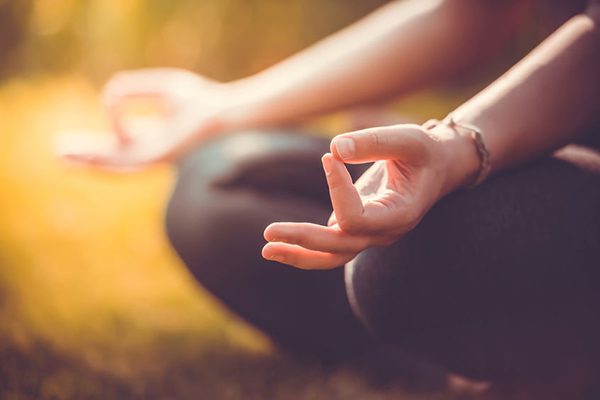
Recharging Your Mind: Meditation is a very efficient way of getting a reboot to our battery cells.
What I wanted to do is to transcend and to find a deep state of restfulness and that’s why I chose a particular style of meditation using particular mantras or sounds that would take my mind quite deeply. Also to allow me to get into a deep state within minutes. That’s a technique that I searched for. It comes under different names like primordial sound technique, or Vedic meditation or transcendental meditation, but they’re all using a particular sound or word that you repeat over inside your head silently that takes the mind deeper and deeper.
That’s an effective meditation but it’s not the only one. Other people like the Vipassana or Zen style meditation which is sitting and guided meditations. I do recommend to continue to look and search, there’s not just one. There are multiple forms of meditation. If you find a technique that you resonate with, there might be different teachers and some of you resonate more within that tradition than other ones. Some students love coming to me because of my background and some like going to another type of teacher in that tradition and that’s totally cool as well.
You wrote a book called The Portal: How Meditation Can Save the World. First of all, I’m fascinated that the subtitle of the book is saving the world as opposed to helping you be more productive or help save yourself or something like that. That alone tells me much about you, Tom, and your book, because a lot of people will go, “That’s a lofty goal. I don’t know if I need to buy a book to save the world. I want to make myself better.” Let’s start with that title and where that came from. How’d you come up with Portal? Did you get anybody else surprised that you’re talking about saving the world?
It is. What we didn’t want to provide was a manual because there are so many of them out there already. A step-by-step, that’s not what this is. This is a portal that represents two things. Firstly, it’s your own individual journey through the transitional point, which is what meditation is. It’s the pathway through to a place that already exists and that stillness and silence. Why we want to get some stillness and silence is on a physiological level, it transforms our body and our biochemistry. On a spiritual-mental level, it allows us to find a deep sense of peacefulness and contentedness that exists without that constant yearning, craving mind that is searching for more and more all the time.
The Portal is the process of transcending or going into the journey of meditation but it also represents the transitional point for humanity. We’re on a macro level, transitioning from a state of ignorance, suffering, chaos and confusion through to an awakened period of time for humanity. In Vedic philosophy, it’s called Satya Yuga, which is an era of time where there is collectively a society that’s generally healthy and happy. A lot of things have to change when we get to that point. A lot of systems have to change.
[bctt tweet=”Recharge your mind battery like you do your cell phone battery. ” username=”John_Livesay”]
Let’s talk about mass consciousness in the state of fear. When 9/11 happened here in the States, it was constantly broadcasting planes crashing into the buildings over and over again. People don’t realize watching how it’s addictive. The fear of what’s next, “Are we next? What about the Golden Gate Bridge in San Francisco? Is this building safe?” Unless you consciously choose to go into a portal, where things are peaceful and calm and not at that effect, to me, it’s almost the difference between staying up in the storm on a sea or going under the water. The analogy I also think might be useful and I’d love your opinion if these are useful. If you’re taking off in an airplane and it is stormy, whether it’s snow or rain and you get high enough, you get above all of that. That becomes another portal analogy for me.
That’s a beautiful one.
I think to myself, you described when I heard you speak, and you’re such a good speaker. If anyone’s looking for a speaker, I want to recommend you personally. Where do good ideas come from? Where do insights come from? You describe this wonderful place of peacefulness, calm, insights, innovation and creativity. We’re not going through the portal to get there and we’re staying, if you will, above the sea where it’s stormy and thinking some great ideas are going to come from that. I want to have you expound on that a little bit from what I heard you talk about because that imagery resonated with me.
I was doing a talk at a company. I was taking them through what their standard day would look like. Instead of mirroring back to them roughly what their day might look like. They ensure that their day wakes up and they get on their phone and quickly scroll through their news feeds, get on the bus or the train going to work, go through their emails, go through possibly watching videos on YouTube, get to work, do their emails, and have meetings. They take a lunch break, catch up on their social media, which they haven’t seen for the last few hours. They’ll go back to work and go through some more meetings and some emails and some documents and things like that. On the way home, they’re going through their news feeds. When they get home, they’re watching the TV watching the news, Master Chef and The Bachelor. They might do a final little wrap on their social media before bed. If they’ve got a little bit of time, they might pick up a book and read a book.
If you look at what’s happening in through that entire day, their mind is digesting other people’s words and thoughts. What happens is there are no open windows for their mind to have some level of accessing a field of creative possibility. They might get inspired by some of those podcasts, books or videos that they’ve watched and all of those Instagram posts that effectively had none of their own insights and a-ha moments. There are no gaps in the day. The interesting thing is we’re doing this time and time again day in and day out where 85% of our thoughts are regurgitating recycled thoughts of the day before, which are 85% to 95% of other people’s thoughts. It’s because there are not enough gaps in the day to have any of our own thoughts anyway. Most of those thoughts when we do have them is, “I wonder if I’m going to have a Caesar salad or whether I’m going to have a chicken pizza for lunch.”
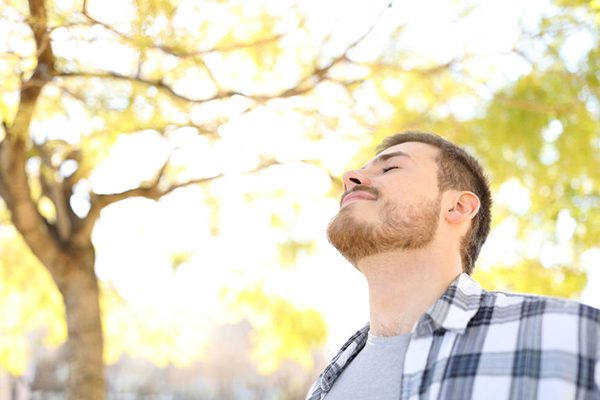
Recharging Your Mind: In order for the world to be healthy and happy, we have to be healthy and happy.
It’s fear-based, “Is my marriage ending? Am I going to go broke? Will I be homeless?” If you keep having those fear thoughts and you’re in a loop or if you can’t believe somebody said something that made me mad. Now I’m mad as if it happened and it happened last week. You’re triggered all the time and you’re walking around angry. That’s where I’m thrilled that someone like you is on the planet because if you step back and think how many people are angry behind the wheel of a car, on the subway and at an airport. If no one is meditating or getting out of this anger loop, no wonder everyone’s rude and pushy.
I had a woman on a podcast asked me to speak about the emotional poverty we have on the planet. I said to her, “We need to pause this there because we actually don’t have emotional poverty.” She was thinking that having emotional expression is a healthy thing, but it’s not. What we want to do is transcend even that. It’s okay if we’re having an emotional response that’s authentic and relevant to that particular experience. What we also as well as want to explore is being in the next level of our own evolution where we’re not completely reactive because emotions are reactive to situations. We’re constantly reacting to situations, where that is making me feel this.
We’re not in our own state of autonomy where we’re able to observe those circumstances from the space of compassion, from love, from unconditional love, and from a state of acceptance. I’m moved into action to create change but I’m not having a rapid deterioration in my feeling body as a result of what’s happening in the world around me. That gives us autonomy but it also gives us a power that allows us to move forward in a much more autonomous state where I’m able to be proactive in creating something that’s going to contribute to the improvement of society and my own well-being. As opposed to constantly deteriorating my own state, because other things around me are making me feel that way.
To try and sum up what you’ve said, if we create a gap in our mind and in our day even where we can get quiet and listen to some of our own internal insights. We break that loop of fear, anger, resentment and reaction in a much faster way, which gives us some power and freedom.
We do it daily. We have a daily meditation practice and that is a technique that allows us to sit, withdraw from the world of sense, story and drama to go into a state of stillness and silence. That stillness and silence are dynamic. It’s not empty, it’s dynamic. It’s the field of all infinite possibilities. We use that analogy the phone doesn’t have the internet in it. The internet is around and the phone is on the internet just as we sit within the field of all possibilities. Most of us don’t know how to access that field. When we go into stillness of silence, we now quiet the mind and the mind is open to tuning in to all possibilities. Everything that’s been designed and created by man and woman, suited by humankind was cognized out of the creative intention, possibility and the intention to manifest that. It’s a phone, pen, a brochure, the chair we’re sitting on, it’s the car you’re driving in. It all had a possibility and was in the field of possibility. It took someone to manage to cognize it and turn it into a manifested reality.
Which came first, your movie, The Portal or your book?
The film was first and in the making of the film, we interviewed 9 people, 6 stories and 3 futurists and we took extracts of those interviews, compile them and edited them into a book format. The director and I added extra components to that.
What’s the website for people to go to find out about the film, the book? There will be some other things coming up here including some meditation apps or even the way to hire you to speak or work with you one-on-one if I’m understanding correctly.
[bctt tweet=”The portal is the process of transcending into the journey of meditation, but also represents the transitional point for humanity. ” username=”John_Livesay”]
EnterThePortal.com is all about the film, the book and the online programs and TomCronin.com is for booking for speaking, retreats and coaching.
Tom, this has been wonderful to hear from you again, to get to ask you some specific questions and your overall energy. You can tell that you are walking your talk. Any last thoughts you want to leave us with?
It’s easy for us without social media and news to think the worst is happening in the world. That’s what does sell media but there are some phenomenal exciting things happening in the world as well. We are in the process of transformation. The mere fact alone that we can have a podcast like this beam it out to people all over the world and talk about positive progressive things, it shows that progress is happening and change is happening. To get excited about what lies ahead for humanity. It is complex. There are some major challenges facing us but as we talked about in the film, we all have something wonderful to contribute to the world. Realizing, expressing and sharing that is part of what makes this world a beautiful and colorful place. Beyond where we’re at if we have a vision for what life looks like on an enlightened planet is an exciting world where people are healthy and happy. It’s phenomenal.
In order for the world to be healthy and happy, we have to be healthy and happy.
That’s it. That’s the starting point.
Thanks again, Tom. The book is called The Portal, the movie is The Portal, TomCronin.com and EnterThePortal.com.
It’s good to be here. Thanks for reading.
Important Links
- The Portal: How Meditation Can Save the World
- The Stillness Project
- https://EnterThePortal.com/
- TomCronin.com
- Better Selling Through Storytelling Method Online Course
Wanna Host Your Own Podcast?
Click here to see how my friends at Podetize can help
Purchase John’s new book
John Livesay, The Pitch Whisperer
Share The Show
Did you enjoy the show? I’d love it if you subscribed today and left us a 5-star review!
- Click this link
- Click on the ‘Subscribe’ button below the artwork
- Go to the ‘Ratings and Reviews’ section
- Click on ‘Write a Review’
Love the show? Subscribe, rate, review, and share!
Join The Successful Pitch community today:
- JohnLivesay.com
- John Livesay Facebook
- John Livesay Twitter
- John Livesay LinkedIn
- John Livesay YouTube
Life Lessons From The Oldest And Wisest with David Romanelli
Posted by John Livesay in podcast | 0 comments
Episode Summary
There’s always a pearl of wisdom to learn from the elders. This is something that most of us tend to discount, but not for David Romanelli. Best-selling author of Life Lessons from the Oldest and Wisest, David talks about combining meditation and storytelling as the key to finding joy in your life. Creator of an ongoing series of events called Drinks With Your Elders, he uncovers what’s inside his book as he shares the healing power of a great story, how to find more time, what cures loneliness, and how to screw, laugh, and celebrate at funerals – all of which he learned from interviewing elderly people. On the side, discover how David combines meditation and storytelling, the conditions we attach to our happiness, and the reality behind social comparison.
—
Listen To The Episode Here
Life Lessons From The Oldest And Wisest with David Romanelli
Our guest is David Romanelli, who’s a best-selling author and international speaker. He’s your guide to bringing old wisdom and ancient healing practices to your modern life. David initiates connection and conversation between the old and the young. Our elders in their 80s, 90s and 100s fought in World War II, survived the Holocaust and marched for civil rights. He believes they are our most precious resource of wisdom and history. Most elders lack a voice in popular culture and live out their final years in isolation. He believes we can and have to do better. He’s created an ongoing series of events called Drinks with Your Elders, bringing the old together with the young. This inspired his third book, Life Lessons from the Oldest & Wisest, which shares elders’ advice on parenting, marriage, loyalty, the all-important resilience, and having a sense of humor through all the ups and downs. David, welcome to the show.
Thank you so much, John. It’s great to be here.
I’m always curious to know how did someone get into what they’re doing, your own story of origin. You can go back as far as childhood, high school and college. How did you get into this whole mindset of, “There’s some wisdom to be learned here from the elders?”
I was deep in the yoga world. Some friends and I opened the first chain of boutique yoga studios in the ’90s. We were deep in yoga, the wisdom of the yoga tradition and studying with the yoga gurus. My last surviving grandparent was in a senior living facility in Los Angeles. It was a nice senior living facility. I saw how depressed she was and how it felt like everybody in that senior living facility was put out to pasture, not connected or integrated into the surrounding community. It wasn’t right because here you have these 37-year-old yoga gurus spouting wisdom on Instagram and the 89-year-old Holocaust survivor in the old age who’s dying a lonely death. Something seems out of whack. I shifted from yoga into the wisdom of the elders. I’ve been embracing that for several years.
[bctt tweet=”Let the joy in.” username=”John_Livesay”]
Tell us a little bit about what caused you to want to write this book.
I was finding that older people were not even on people’s radar. Nobody considers that they might have the wisdom or the missing piece to their puzzle. They weren’t relevant to business and growing their business. What could they possibly have to learn from an old person? You can find it on the internet. I found that when you engage with them, the wisdom is so profound. It’s deeply healing and incredibly relevant to every part of your life. I was like, “I’ve got to spread this.” I figured a book was one of many ways to get this message out there.
Do you have a story from your book or your research on the book of some wisdom you learned from a senior person that people could apply for their business?
First of all, the greatest story was from my previous book called Happy Is the New Healthy, which is a lady I met. I was working with this charity in New York City that helps old people in need. Their oldest client was 111. They call that a supercentenarian. There are about seven billion people on the planet. There are only about 60 people we know about who are 110 or older. A part of that is genetics. The part of that is the attitude. When you get to be well over a hundred, chances are you’ve lost it. You’ve probably lost a child at that point. You’ve outlived your own children. There’s a lot of pain. It takes certain strength for somebody to turn the corner on 100, even 105 and keep going. A lot of people are cashing their chips and they’re done. To live to be that old, you have to be able to have a certain strength.
[bctt tweet=”Stories allow us to pass on wisdom.” username=”John_Livesay”]
This 111-year-old lady, I asked her like, “What are your tips on health and longevity? How are you managing to get to be this old?” Her three tips were sex, vodka and spicy food. She had this joie de vivre that I have found is common amongst the oldest and wisest. Through the pain and the madness of life, we all have to take a moment to push back from our computer and loosen our grip and let the joy in, let the magic in. Everybody in business is grinding so hard. There are so much stress and such an excess of stimulation and information. The entire days go by where we don’t remember a single thing that happened. Do you want to live like that? Push back, take a breath, loosen your grip. Live in this moment.
Many of us are either rehashing the past or worried about the future. There’s no joy there. It’s anxiety or fear happening for the most part. One of the chapters in your book is The Healing Power of a Great Story. Can you tell us about that?
My guru’s name is Dr. Carl Hammerschlag. He was a medical doctor on the Indian Reservation for many years. He thought he was this highly certified and educated doctor. He would go into the hospitals to work with the Native Americans. Healing for them was much than art. I asked him questions like, “You know how to give me medicines, but do you know how to dance?” At first, it didn’t register. You have to be in touch with the rhythm of life to be a healer. It’s not just about the mind and the medicines. It’s how do you touch the spirit. Dr. H has these sweat lodges, which I’ve gotten a bad rap on the news because people have had dangerous experiences.
When they’re done correctly in Native American tradition, the idea of a sweat lodge is to go into this hot teepee. It’s so hot that you have to stop thinking and breathe. It’s almost like you remove your head from your body and let your spirit breathe. He says that the thing that’s missing from our culture is that we have to be telling better stories. You can’t pass along wisdom and teach our children how to live a good life if we’re not telling them good stories. He said, “We have to be telling better stories.” Whenever I learn from Dr. H something about heartbreak, resilience and what it means to heal my own anxiety, he always wraps it in a story and in a ceremony. He doesn’t just give me the information. That’s missing from our culture.

Life Lessons: Through the pain and the madness of life, we all have to take a moment to push back from our computer, loosen our grip, and let the joy and the magic in.
Another chapter in this great book, Life Lessons from the Oldest & Wisest, is How to Find More Time. Everybody of every age is looking for that, except maybe if you’re a kid and you want to get older faster. Most of us are looking for ways to find more time. What’s the story there?
There was a lady who’s 93 years old. At the end of our conversation, I asked if she could send me a picture. She said she’d put it in the mail. I said, “That’ll take a week. Can you just email it to me?” She didn’t have an email. She had to write down my email address to give it to her granddaughter to send me the email of the picture. It took five minutes for me to spell out my email and for her to write it down. At first, I was so frustrated. Who has five minutes in their day to give your email? Who wouldn’t get frustrated? At a certain point, I started realizing, “This is ridiculous, that I don’t have five minutes in my day for this lady to have this conversation. What better am I going to do those five minutes?” I started laughing. We had this great moment. She said she was an old fart. I realized that she had this spirit of a much younger person. The joke was on me, not on her. It’s ridiculous that we’re so efficient with our time that you give up a minute or two in your day that you didn’t expect. That should be a chance to laugh and loosen your day.
One of the other chapters that stand out for me is A Cure for Loneliness. We might assume that people get lonely as they get older and isolated, but there’s a lot of research that a lot of entrepreneurs feel isolated and can feel lonely at the top. What cures for loneliness did you learn in interviewing these elderly people?
Everybody’s lonely. We spend ten hours a day looking at screens. Everything is on a screen. Everybody’s longing for human experiences. We call it the matrix. You get sucked into. You can look at screens all day. You can go from your tablet to your television, laptop, iPhone and to your desktop. There’s no shortage of screens. I found this lady in New York City, who was the guest at one of my intergenerational events. She lives in a high rise in New York City. She said people don’t even see her. Her neighbors don’t even see her. She feels invisible. She’s had horrible health problems. She was bankrupted by the medical system. She’s got a bleak existence.
[bctt tweet=”You have to be in touch with the rhythm of life to be a healer.” username=”John_Livesay”]
She came and she spoke. People in the audience were crying because everybody realizes that they would probably not have seen this lady. We walk right by her on the street. We’re looking at our phone. If you have an elderly neighbor, a lot of people would not take the time to engage with them or are too busy. You come together and it felt so good to hear her story, hear her pain and give her a chance to share. People are living lives of quiet desperation. That’s true for everybody. To come to an experience where you can sit in a circle and say, “Here’s what hurts,” and listen to one another is an incredible experience. It’s not something that can happen on technology.
That’s the secret. Don’t be looking in the wrong place for your answers to feel connected. You would think, “I’ll hop on social media and feel better.” Research has shown that the more time you spend on social media, the more likely you are to be depressed because you keep comparing yourself to the best moments in everyone else’s life and thinking, “I do not have that much fun.” You also talk about how to feel instantly successful. I’m curious to know how to do that.
This guy in the book said he was a 90. He didn’t make more than $27,000 his whole life, but he found the value in being engaged, purposeful in his work and passionate about living and his faith. He is a widower, but he goes to old age homes and plays country music. He has a little country music band. There are a lot of people who’d be like, “I didn’t make any money my whole life. It’s been hard. It’s been a grind. I worked my ass off. What do I have to show for it?” Here’s a guy who put his emphasis on the intangibles. He was working in the fields on the tractors in the blazing heat. He cranks the country music, loved, found a way to his heart first and love what he did. He has lived a great life. Your accomplishments in older age are not what you have to show for yourself, but who are showing up for you. The investments that you make in people, love and relationships.
Nobody wants to hold up their plaques or awards at a memorial service. In fact, you talk about how to screw, laugh and celebrate at funerals. Everyone fantasizes, “What will people say about me at my funeral?” What’s going on in that chapter?

Life Lessons: Laugh about your challenges; don’t take life so seriously.
There’s this lady Lorena who is in her 80s. She spoke at one of my intergenerational events in Dallas. She told a story. Her first husband died of ALS. It was brutal. She got married again and had this incredibly blissful life. Her second husband died of a heart attack. She’d been through so much pain and loss. She was at the funeral for her second husband. She tripped, fell over one of the grandkids and broke her femur bones. Everybody was listening to her story. People stopped drinking their wines. You could pierce the silence in the room, which is sadness. She had to get rod and screws inserted in her leg to heal the break. She says to everyone, “I got screwed by Rod and I did not like it.” It was so funny. It was such comic relief that this lady could come to the pain in her life and find some humor. If she can do it, then so can you and so can I. Find a way to loosen our grip and laugh about our challenges, not take life so seriously.
You are combining meditation and storytelling together. Can you explain how that works?
I like to tell stories about the elders that I speak with. They are a great resource for great stories and life lessons. I lead these guided meditations and have these meditation programs. Meditation is something that we silo, that separates us from life so that we can find our peace, quiet, go off in a corner and listen to a guided meditation. I found that meditation is better in my experience when it integrates everything that’s going on in life, instead of separates from everything going on in my life. I lead these meditation programs. I share stories from the elders and stories about what’s going on in the pop culture. Every moment offers us an opportunity to meditate. Every moment throughout our today, stuck in traffic, screaming kids, running into someone that stole your fiancé. Every moment if we can resist and push back against it, life becomes exhausting or we can embrace, find the lessons and move deeply into the emotional experience of life moment by moment. I try to make my meditations integrating, everything that’s going on around us and within us so it feels more whole.
You have gotten some interest from Netflix on what you’re doing, and possibly turning that into a show. How did that come about? How are you pitching what you’re doing?
[bctt tweet=”Everything is on a screen and everybody’s longing for human experiences. ” username=”John_Livesay”]
The work I’m doing with the elders is interesting because 10,000 people are turning 65 every single day. We’re segregated by age. I don’t think businesses are recognizing how important it is that we learn to engage the aging population. There was this article I saw in Fast Company Magazine. The headline was, “It’s time to pay attention to the $15 trillion business of growing old.” It said it’s the most significant demographic shift in recent history. America has always been about being sexy, young and glamorous. We’re getting older. There’re going to be more old people than young people. It’s going to be much more about being seasoned and wise as much as it is about youthful and glamorous. I’m coming up with different ideas on how you can show the relevance of the elder population. How you can take them out of social isolation and bring them back into the mix. That’s an idea that I’m working on.
Congratulations on that. Tell us a little bit about the keynote talks you’ve given. Who hires you to give them?
I’ve been giving a lot of talks. My second book was called Happy Is the New Healthy. It shares the message of joie de vivre and the ways that we can loosen our grip. My new book, Life Lessons from the Oldest & Wisest takes the joie de vivre and the message of happiness. It also talks in depth about how it’s hard to see the future and the future trends if we’re not rooted in the past. It’s important for companies to be able to honor and share everything that they’ve learned from their past. The mistakes that they’ve made. When you talk to somebody who’s 80, 90, 100 years old, they weigh in on their regrets and the things that they didn’t do right, that’s almost as meaningful as the things that they did do right.
You don’t have to make the same mistakes over and over through every generation. We can learn from people. For instance, this one guy told me his wife passed away from Alzheimer’s. He was married to her for many years. He sat by her bedside and held her hand as she lay dying. He relived with her all the moments that he enjoyed in their life. He was grieving. He was sad. Hearing him tell a story was like a wake-up call because we all take our partner for granted. You wake up next to the same person every day and the same stories, issues and challenges. One day, we’re going to have to say goodbye or they’re going to have to say goodbye to us. There comes the point where you wake up and wish that you appreciated them more than we do, especially in the prime of our life when we can go places, travel and we’re not old yet.

Life Lessons: There comes the point where you wake up and wish that you appreciated your loved ones more than you do, especially in the prime of your life.
It’s important for people to hear that message. You don’t want to look back and wish that you were more grateful for somebody you love deeply. It’s not a pleasant regret to have. That’s why it’s important to recognize and listen to the regrets that people have, and for companies to realize, “These are the mistakes that we’ve made. Let’s honor these mistakes and grow from these mistakes.” When you have a lot of history, you’ve been around for a while and you’re able to share from that place of vulnerability that speaks highly to our ability to nurture great relationships.
You talk about people being so focused in the future that, “As soon as I fall in love, as soon as I have this much money, as soon as my career takes off, whatever it is, then I’ll be happy,” as opposed to, “I can’t possibly be happy now because I don’t have everything I need in order to be happy.” You have a lot to say on that.
There are all these conditions that we attach to our happiness. I had a great trip to Alaska with a friend. We were in rural Alaska. We had to get a taxi to take us back to our car. It was such an awesome trip. My friend said, “I bet you this taxi driver has a message for us.” Sure enough, we got in the car and the taxi driver tells us he just left hospice and his father passed away. We said, “I’m so sorry to hear that.” He said, “Don’t be sorry. I got to spend every day with my dad for the last six months of his life.” We caught up on so much. We did so many deep, rich conversations. He said, “What was I thinking? Why did I wait for the last six months in my dad’s life to get this close to him? What was I waiting for?” When he says goodbye, he always tells people, “Enjoy your journey.”
That was so true. We’re always waiting for something in order for us to allow ourselves to be happy. Most old people that I meet, they’re not like that in 111 years old. There are a lot of old people who are worried. There are a lot of old people who are resentful. Those conditions follow them into old age. If you’re a little bit worried when you’re 42, you’ll be a lot more worried when you’re 52. You’ll be really worried when you’re 82. If you’re a little bit resentful when you’re 37, you’ll be quite resentful when you’re 47 and resentful when you’re 67. There comes a point where you have to make a decision to set yourself loose from these conditions that we place upon our lives and free ourselves. There’s something you can do to be happy. I talk about in my books, especially in my speeches, the simple things that you can do right this second to turn up the volume on your level of joy, presence and quality of life.
[bctt tweet=”There comes a point where you have to make a decision to set yourself loose from the conditions we place upon our lives and free ourselves.” username=”John_Livesay”]
That is what meditation is all about, being in the moment, letting go of everything else, being comfortable with the silence, and not comparing yourself to other people is a key path for being happy. Whatever the journey is, you’re in it, as opposed to being so frustrated, especially in the entrepreneur world or business in general, “We have to hit this milestone.” There’s always another milestone to hit. Nobody ever gets to be in the joy and celebrate what they’ve accomplished. What you’re doing is so important to everyone of all ages, but also to remind us of the importance of spending time with people who aren’t going to be here forever.
I appreciate you saying that.
Is there any last thought you want to leave us with, David?
One more story about what you said about comparing ourselves. I interviewed this lady, Linda Jones, an elder. She’s in her 80s. Her dad was this iconic Chuck Jones, who created the Looney Tunes, Bugs Bunny, etc. Linda told a great story. When she was young, she felt bad that she wasn’t living up to her dad’s legend. She wasn’t as successful as she thought her father was. She felt bad about herself. We’ve all been there in some way. She wrote her dad a letter. Back then, people wrote letters. They didn’t type. They didn’t email. She said, “Dad, I want to share with you that I feel lousy about myself. You’re so successful and I’m not. I’m in the dumps.” Her dad wrote back. He said, “Linda, get off my mountain. You have your mountain to climb. I have mine.” She said it snapped her in a place. She recognized that she does have a lot to be proud of. Her dad wasn’t looking to her to compare and to hold up to his height. She has her own life to live.
[bctt tweet=”You got to be proud of the mountain that you’re climbing and the life that you’re living.” username=”John_Livesay”]
How can you avoid looking through social media and feeling bad about all the likes this guy gets? 100,000 downloads that my friend said she posted about her podcast or the place that this couple is traveling. It inherently makes you feel bad. At a certain point, the whole thing with social media, it’s not sustainable. Nobody feels good using social media and something’s not in the long run is going to give there. You’ve got to be proud of the mountain that you’re climbing and the life that you’re living. I saw this great quote that I want to end with. It’s a quote by Lao Tzu. He says, “Because one believes in oneself, one does not try to convince others. Because one is content with oneself, one does not need others’ approval. Because one accepts oneself, the whole world accepts her.”
I can’t thank you enough for being a guest on the show. If people want to find out more about you, what’s the best website?
David, thanks so much for being with us and sharing your joy and wisdom.
Thank you so much, John.
Links Mentioned:
- David Romanelli
- Drinks with Your Elders
- Life Lessons from the Oldest & Wisest
- Happy Is the New Healthy
- Dr. Carl Hammerschlag
- It’s time to pay attention to the $15 trillion business of growing old – article on Fast Company Magazine
- http://DavidRomanelli.com
Wanna Host Your Own Podcast?
Click here to see how my friends at Brandcasting You can help
Get your FREE Sneak Peek of John’s new book Better Selling Through Storytelling
John Livesay, The Pitch Whisperer
Share The Show
Did you enjoy the show? I’d love it if you subscribed today and left us a 5-star review!
-
- Click this link
- Click on the ‘Subscribe’ button below the artwork
- Go to the ‘Ratings and Reviews’ section
- Click on ‘Write a Review’