

The Amazon Jungle With Rick Cesari
Posted by John Livesay in podcast | 0 comments
The Amazon Jungle cannot be traversed without proper planning, knowledge, and tools. The same goes for every entrepreneur who tries to make it big in its online platform counterpart. Rick Cesari joins John Livesay to talk about finding success in the vast jungle of the internet: Amazon. Rick stresses the power of storytelling in connecting with your target audience, particularly in the form of backstories and customer testimonials. He also explains how to take advantage of digital media and why enticing videos are much more desirable to Amazon buyers than simple text and pictures.
—
Listen to the podcast here
The Amazon Jungle With Rick Cesari
Our guest is Rick Cesari, the author of The Amazon Jungle. We talk about how it is a jungle out there trying to sell products on Amazon and break through the clutter. He’s got the perfect experience in his book and in this interview to show you how to make your brand stand out, how to connect, and more importantly, the power of using video as a way to engage people emotionally. Enjoy the episode.
—
Our guest is Rick Cesari who’s been a pioneer in the direct to consumer marketing industry for more than many years. Using his carefully vetted direct response strategies, he helped many build iconic brands and products, including the Juiceman, Sonicare, George Foreman Grill, OxiClean, Clarisonic, Rug Doctor, and many more. As an entrepreneur, author, and speaker, he’s the recognized leader about anything to do with the video. We all know video is important. He’s on the cutting edge of direct response and branding campaigns and his book, The Amazon Jungle talks about how to navigate that complex marketplace. Rick, welcome to the show.
John, thanks for having me on. I appreciate it.
Let’s go back as far as you want. Childhood, school, college, whenever, what propelled you to get into the world of marketing, or maybe you saw some infomercial when you were younger and say, “I want to do that?” I’m not quite sure, but I’m sure the answer is going to be interesting.
I’ll go back to college because my degree is in biology. I was hoping to be a Marine biologist one day. I graduated from college and I knew that I had to go on to graduate school if I wanted to do anything in my field. I was living in Florida at that time and I was doing odd jobs. It’s a little bit of a fun bum type of thing. I was a bartender, lifeguard, and anything to make a little bit of money. I started reading a lot of books about how millionaires made money and it turned out a lot of them made it in real estate.
I started reading a lot of books about buying and investing in real estate. Some of the books at that time were like Robert Allen’s No Money Down book, that type of thing. I started going out, doing that and taking some seminars. I met a guy who was putting on these seminars. I went out and did what he said. I bought a house, turned around, sold it, and made like $12,000. For me at that time, I was 21 years old, it was like $1 million. I was happy about it. I called the local Florida business magazine called Florida Trend. They did a story on the guy and his business took off. He asked me to start working with them and that’s how I got into marketing. I got it to promoting real estate seminars.
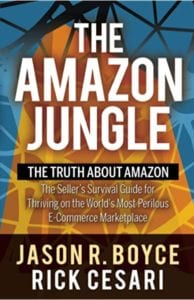
The Amazon Jungle: The Truth About Amazon, The Seller’s Survival Guide for Thriving on the World’s Most Perilous E-Commerce Marketplace
To show you how long ago this was, it was the mid-‘80s. We were using newspaper ads as our advertising vehicle. I did learn a lot of good lessons about direct to consumer marketing and what to put in an ad to get people to respond. Your show is all about the pitch. The pitch was important more from a sales pitch perspective with us because we’d have to get up on stage and convince people to buy a two-day $500 seminar. Little things that you changed while doing the pitch affected the results. That’s why I learned how to sell. I was able to take everything I learned in promoting these real estate seminars, my passion was health and nutrition.
I met a guy who was doing these small seminars and I felt like I could help him be successful. His name was Jay Kordich known as the Juiceman. I took the concept of the models we were doing with real estate seminars but used them to promote juicing seminars or health and nutrition seminars. The name of that company was Trillium Health Products. We were in the right place, right time with the right product. That business grew to $75 million in sales in only four years. We were able to sell it. Timeframe wise is about 1993. We’re still pre-internet. A company out of Chicago named Salton Housewares bought it for two reasons. They wanted our brands that Juiceman and Breadman, but they also wanted to know how to do the type of marketing I was doing.
They brought me a product which turned out to be the George Foreman Grill. I did all the television marketing for that. From that point, I got into the agency business by accident. People were coming to me saying, “Can you make a show or direct response commercial for us?” Sonicare was next and then OxiClean. I was fortunate to work with a lot of great products and watched how the business changed over the years. Starting before the internet to where we did all the television marketing for GoPro and the commercials, but then how you had to have a great online strategy as well as that. I’ve been in the business of pitching products through all of the different campaigns and things that I’ve done and figuring out how to get people to respond to what we said in our pitches.
I’m fascinated especially with something like GoPro, which is all about video. You’re creating a video to promote something that tells people to create their videos. You’re going down the rabbit hole there which is art imitating, life imitating and all that, which is great. When I was selling advertising for Condé Nast, Clarisonic was one of my clients. I used to drive down from LA to San Diego to talk to the agency about that. What a fascinating product and for those who don’t know, it’s a way to clean your face as if you’re getting a facial at home, it’s the quickest soundbite I would have for that.
I have a good kind of Clarisonic story too. The management team that started Sonicare did the marketing for that. They sold that business to Philips Electric for about $500 million.
[bctt tweet=”Stories give you an emotional connection. Video is a powerful way to connect with buyers.” username=”John_Livesay”]
For people who don’t know what that is, that’s for getting your teeth clean.
They held back from the patent or the sale to Philips the Sonic Technology for face cleaning. They started this whole other business, did the same exact marketing, they build good products if you’re familiar with it and started the Clarisonic, but it was a mirror of what they did with Sonicare. In both cases, the thing that launched both those businesses, they had some type of in with Oprah Winfrey and they got the Clarisonic skincare brush on Oprah. As soon as they do that, the business exploded and took off. It’s a fantastic product. It worked well.
Your book, The Amazon Jungle. You’re talking about that. I have a story of a founder I helped with his pitch who because in his culture, it’s a rite of passage into manhood was dropped in the Amazon jungle naked at eighteen after growing up in the Netherlands. He had to survive there for two weeks. I talk about lessons learned from the Amazon jungle, taking it to the concrete jungle of being an entrepreneur as part of his story of why investors invested with him. I love the title, The Amazon Jungle. I know it’s not your first book. What made you want to write this book?
Years ago, I got asked to do the keynote presentation at something called The Prosper Show. It is the main trade show for third-party Amazon sellers. At that time, my background was in direct to consumer marketing, but I knew very little about this platform that a lot of people were having success on. I gave that presentation and my eyes were open because I sat into a lot of the different seminars that were going on. I wanted to learn as much as I could about Amazon. I met a guy there who was at the Top 200 Sellers, named Jason Boyce. It turned out, he lived in Seattle where I live. We started dating together every Friday for coffee and he would pick my brain on what I knew about direct to consumer marketing and direct response marketing.
I pick his brain on Amazon and we came up with the idea said, “We should turn these conversations we are having into a book.” A lot of it is Jason’s expertise. He’s been selling on Amazon since 2003. He built an eight-figure Amazon business and he was at the Top 200 Seller. Now, he has an agency called Avenue 7 Media, but the book is a guide. When you talk about your friend being in the Amazon jungle, that’s scary to me.
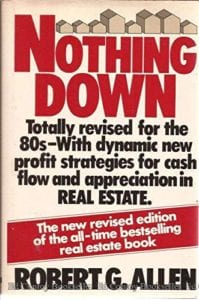
Nothing Down: How to Buy Real Estate With Little or No Money Down
If you do that without some type of guide, knowledge or whatever, you can lose your life, worst-case scenario. With the Amazon jungle, it is like that. It’s very difficult to set yourself apart. There are over a million third-party sellers. How are you going to differentiate your products? The book is a guide for anybody that wants to sell on Amazon from point A to point B. Everything you need to know, even going back to pick a category, a product, how to differentiate your product, how to optimize your listings, a step-by-step guide to be successful on Amazon.
You talk about the importance of sharing your story. That resonated with me that storytelling allows us to build trust. Do you have an example of the client that you’ve worked with that told their story as it related to a product they were selling and why that helped them break through the clutter?
It ties into Amazon a little bit. I’ve been doing that with almost every product we mentioned so far in the show. A good example of one, there were these two sisters that were from Taiwan and they were selling a product on Amazon called Puriya, which is a skincare cream that helps fight eczema. The name of the product was The Mother of All Creams. They were doing very well on Amazon. They came to me and they said, “How can we help our business?” I took one look at their website and the problem with a lot of Amazon sellers is, Amazon does all the marketing for them. They don’t have to do much outside of Amazon.
I felt like, “If they could tell their origin story, it helped their business. It gave some background to their product.” I helped them create an origin story where they grew up in Taiwan. When they wanted to treat an illness, their mother would go to the farmer’s market and buy different herbs. It was this recipe that they put into their product. That’s why they named it The Mother of All Creams because the recipe came from their mother. We put that on their Shopify site. Now, when somebody is on Amazon and saying, “Why should I buy Puriya?” They’ll go check the website and they see that there’s a story behind this product. It’s not some product that’s out of thin air. That’s a good example. Their business is thriving now. Not in the whole part of the story, but it helps build the brand.
That was my question that you’ve answered is the story doesn’t necessarily live in the product description on Amazon, but hopefully, there’s something in there that incentivizes people to go read more about it on the website.
[bctt tweet=”If people like your product or service, they’re more than happy to talk about it.” username=”John_Livesay”]
I’m a huge advocate of origin stories and tell the background story. If I start working with a client, I do a lot of marketing consulting these days. The first thing I do is go to their website, look at the About Us page, and see what happens. When I first come to the website, I’d love to see a video story of who we are, what we do, and why we’re different than the competition. If I want to dive into more detail and if a website doesn’t have that information, that’s one of the first things I tell people to do is to put that story in there because it creates credibility and authenticity to a product and helps their brand in general.
Also, the emotional connection.
That’s the most important part.
Do you have a lot of your clients putting short little videos on their Amazon product, whether it’s a testimonial?
I’m a huge believer in using video. I’ve used it for the many years. First on TV. Now online with Facebook and YouTube. There are all statistics about how powerful video is, and it’s an easy way for people to get information. Amazon is slowly opening up their advertising and even their product listings to include more video. I’m a big advocate of people using video as much as Amazon allows them online. I’m an advocate for doing that.
The Amazon Jungle: Stories create credibility and authenticity to a product and help build a brand in general.
Is that something that they can shoot on their iPhone, or do they need to hire a professional agent?
It’s funny you say that because I come from the background many years ago of you couldn’t go do a video shoot for less than $10,000 because of expensive camera lights. In testing that we’ve done and it’s obvious because of social media, people respond to video that is shot on an iPhone or whatever type of mobile device you have. More so than a very slick presentation. There are a couple of little things and your audio quality is always important. You need to have a nice little microphone and the lighting is good, but if you can go online and look at some basic video production techniques, the technology of mobile phones these days is almost as good as a $50,000 camera, ten years ago.
Since you’ve analyzed many different people selling things on Amazon, what are the common traits that you see that the top sellers have?
What a lot of sellers don’t have and you or your readers can go onto Amazon. Let’s use a coffee maker, for example, big brands that you’ve heard of. You’ll look at the product listing and you’ll see an image, a shot of the product from the front. You’ll see it from the side and they’re boring. They’re almost like something you’d seen in the instruction guide. What I’ve worked with Amazon sellers that we talk about in a book is use those listings. We took this from our success on TV. Each one of those listings should almost be like a magazine ad. If you’re going to show a coffee maker, call out the benefits of the coffee maker and use infographics so that when you’re looking at the image, you talk about the timer.
What’s the benefit of having a timer? You have delicious coffee ready for you when you wake up in the morning. Put people in your images. I was working with another guy who sold gaming products, foosball tables, ping pong tables, and he showed these products, but they didn’t have many people in them. I go, “You got to show people using the products.” It’s a simple thing that seems common sense to a lot of people. You see a lot of Amazon sellers not doing it. Those are some of the suggestions we talk about in the book and I bring to people when they ask.
[bctt tweet=”If you’re marketing a product, you must have a good foundation on Amazon.” username=”John_Livesay”]
It’s a lot like SEO with Google, where part of the problem is, if you don’t show up on the first page of a search for a product, then nobody finds you and you’re helping the book, gives some steps on how to get your product to show up fast.
We do talk about that. Yes, that is a problem. The goal is to be on the first page or first search when you come up on Amazon. We do talk a lot about how to do that with SEO, how you’re advertising both on Amazon and off Amazon can help you do that, people that are leaving reviews, and the importance of reviews. I’m a huge advocate of authentic testimonials. Mainly because they help tell your product story in a very authentic, credible way. I talk to people all the time about using real consumer testimonials on their Amazon reviews, but I tell them to take it a step further and try to get those people that are leaving reviews and do some video testimonials if possible and put those on your website. To me, that’s one of the biggest selling tools that you can have.
When someone left a review for my book, they put their picture with the review, as opposed to being the words, which I thought, “Even just that makes it pop.”
It adds a dimension. I do a little presentation on that. I talk about testimonials and exactly what you said, the basic layer is written with someone’s name, but if you add a photo to that, that’s even better. If you add audio to it, it’s even better. The ultimate is a video testimonial. Believe it or not, advertising wise, the more that you have in that testimonial from the standpoint of video or whatever, it will convert better than just a written Amazon review.
Do you have any tips on what people should do to try and get authentic reviews?

The Amazon Jungle: The goal is to be on the first search results page when you come up on Amazon.
I have one thing. Send me an email at [email protected]. I have a free download. It’s a six-step email template that if you have a database of customers, and even if you have 50 customers, this will still work. It’s something that I’ve used over the years to get people to come in and do a testimonial for you. I find that a lot of people that are product owners are afraid to reach out to get testimonials from people that have used their products. I’ve always found that if people like your product or your service, they’re more than happy to talk about it.
This email sequence is something that you can use to send to your database of customers. It’s a way of setting up and getting testimonials that you can interview. That does two great things. You can get a video testimonial of people that you can use in your marketing, but I also found it’s a great tool for product research. The feedback from someone, if you sit down and ask someone twenty questions, “How did you hear about my product? Why do you buy it? What do you like? What do you don’t like?” After interviewing ten people, you start to see a bunch of trends, and those are things that you can use in your marketing.
I do that with the students that have taken my online course. In the Facebook group, I’ll say, “What was the big takeaway from the session?” It’s fascinating to see 6 out of 10 people saying the same thing. “I learned how important it is to make my pitch conversational. I need to stay concise.” When other people keep reinforcing that that was their takeaway, the students locks in even stronger than just themselves thinking about it. Having people say it out loud, not only helps them, but also the sense of community. It helps me with my marketing knowing what to focus on for future students. If you’re struggling to say, “Be concise.” If you’re struggling not to sound like a robot, then you might need to learn how to tell better stories. It’s a continuous loop is what I found.
It’s a feedback loop. It’s awesome that you’re doing that. You’d be surprised how many people, course owners, product owners don’t talk to their customers. I got a funny story about Sonicare. We were going out doing interviews for Sonicare and we didn’t know what all the marketing messages were yet. It was a relatively new product. After interviewing about fifteen people, probably about half of them said that they had gotten better dental checkups since using the product. We put in the “the better dental checkup guaranteed” that if you bought this product, we guaranteed you have a better dental checkup or your money back. That came from customer feedback.
I’m not trying to imagine what is important to people, but hearing it. If that’s your ideal client, then that’s what we want more of. Let’s also talk about defending a brand. If we don’t have a strategy that sometimes marketing dollars that we think are driving traffic to our product, go to our competition. How does that work at Amazon? Is that unique to Amazon or is this true everywhere?
[bctt tweet=”Start an Amazon business with a product. Having a lot of money is not needed.” username=”John_Livesay”]
That’s probably true anywhere, but Amazon’s a good example. A few years ago, I underplayed the importance of Amazon. Now, you can’t. They own 50% of all the online sales in the US. They’re a gigantic place where people like to buy because it’s convenient and they get good prices. I always tell people, if you’re marketing a product, you have to have a good foundation on Amazon. Otherwise, any advertising dollars that you spend anywhere else people will end up searching automatically on Amazon for your product. Even if you tell them to go to your website, or you have some other special offer place, they can buy it. They’re going to check Amazon first. If you aren’t there and have a good brand page or good listing set up, your advertising dollars are going to drive somebody to buy your competitor’s product. It’s important to have a good Amazon foundation set up before you start spending a lot of ad dollars in other places.
Do you recommend that people start getting a product from China or something and then marking it up and then trying to sell it on Amazon? It’s something that they should have some experience with or where does somebody start to even think, “I guess I like it?” Does it require a certain minimum amount of money to make all this work?
Any business requires a certain amount of money. Starting an Amazon business is pretty low, you don’t need a lot of money. You do need to start with a product. We have an entire chapter devoted to a couple of things. You don’t know where to start. We tell you, “Think of your personal interest, whatever is your interests. You might have a pet. Let’s look at the pet category.” We tell you in the book the way to check different areas of how they’re doing because you don’t want to go into an area where there’s no sales or no interest, or nobody’s searching for it. We tell you to pick out an area where there is a lot of upside opportunity.
If you go over to China and you are going to find a product to market on Amazon, how to make that profit product different than the competition? The last thing you want is they always say, “There are 100 people selling toasters or blenders on Amazon. It’s a race to the bottom, whoever has the lowest price.” We go the opposite direction and say, “How do you take a product and make it more into a brand and differentiate it before you start selling on Amazon?” There some simple design tricks that you can work with the factory. My co-author Jason had an eight-figure Amazon business. He was selling on Amazon since 2003 and has made every mistake under the book. The book is a way of learning from other people’s mistakes.
We do get into various specifics things of doing it. It’s amazing things you find. One of our clients at Amazon Avenue 7 Media is a company that makes wheelchairs for dogs. You’d never think that that’s a big category. They get the same injuries as humans. They’ll torn ACL and they need to use these things. You would think of yourself, “That’s not a very big category.” These guys are doing six-figure business every month. It’s amazing what you can do if you do a little research and we show you how to do that.
The Amazon Jungle: The more testimonial videos you use, the more it will convert than just a written Amazon review.
Any last thought or a quote you want to leave us with?
If I tie it into the book, the biggest thing, and it relates to your friend’s story is that if you’re a seller, Amazon isn’t your friend, they’re your competitor. If you need a guide so that you don’t fall into a trap and let Amazon take advantage of you. We spent a lot of time telling you the pitfalls, what to look out for. It is almost like a map or a guide to be successful on Amazon. That’s probably the biggest thing.
The book is The Amazon Jungle. You can find it on Amazon as well as Rick’s website. Rick, thank you for sharing your fascinating background and all the successes you’ve had and how you continue to go from promoting something in a newspaper to not promoting the Amazon is the new newspaper in a weird way that everyone uses now to access and find information.
Thanks for having me on. I appreciate it.
Important Links
- The Amazon Jungle
- No Money Down
- Trillium Health Products
- Condé Nast
- Clarisonic
- The Prosper Show
- Avenue 7 Media
- Puriya
- [email protected]
- RickCesari.com
- Better Selling Through Storytelling Method Online Course
Wanna Host Your Own Podcast?
Click here to see how my friends at Podetize can help
Purchase John’s new book
John Livesay, The Pitch Whisperer
Share The Show
Did you enjoy the show? I’d love it if you subscribed today and left us a 5-star review!
- Click this link
- Click on the ‘Subscribe’ button below the artwork
- Go to the ‘Ratings and Reviews’ section
- Click on ‘Write a Review’
Love the show? Subscribe, rate, review, and share!
Join The Successful Pitch community today:
- JohnLivesay.com
- John Livesay Facebook
- John Livesay Twitter
- John Livesay LinkedIn
- John Livesay YouTube
Leveraging Emerging Technologies And Immersive Experiences With Amber Allen
Posted by John Livesay in podcast | 0 comments
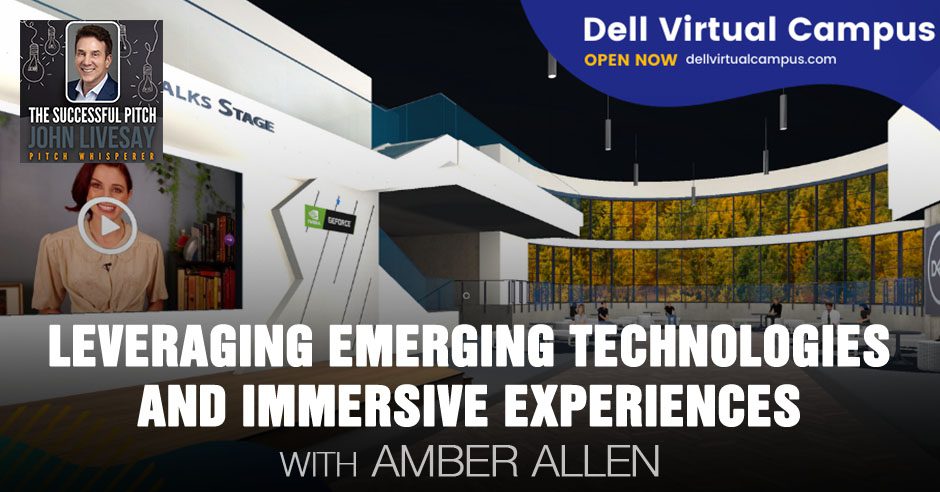
What is augmented reality? In this episode, Amber Allen, founder of Double A Labs, joins John Livesay as they explore the world of augmented reality and leveraging immersive experiences for consumers. Amber and John talk about innovative ways how brands reach their customers and how Amber helps her clients make the impossible a reality. With a disruption at hand and every industry is thrown out of whack, learn how Amber and her team utilizes the digital world and successfully imitate live events in cyberspace. Tune in and get a glimpse of what’s to come in digital marketing, the advances in AR and reach your audience in ways you’ve never seen before.
—
Listen to the podcast here
Leveraging Emerging Technologies And Immersive Experiences With Amber Allen
Our guest is CEO and Founder, Amber Allen. She’s a pioneer in emerging technologies and immersive experiences with a deep background in the entertainment and gaming industries. She started Double A Labs to elevate experiential marketing after spending time in-house at Disney, Warner Bros., and Riot Games. Double A Labs innovates immersive experiences for brands to reach and keep fanatics of gaming, eSports, entertainment, and emerging technologies. Fast thinking and always exploring new ideas, Amber envisions how to make the impossible a reality for her clients. Amber and her team have delivered over 1,000 global activations and over 4.6 million attendees for companies such as Apple, Dell, Disney, Google, Reddit, Twitch, and Warner Bros. It’s not unusual to find her wearing the latest gear, tinkering with a new gadget or playing the latest video game. Amber, welcome to the show.
Thank you. I’m excited to be here.
I always love to ask my guests their own little story of origin. Where’d you grow up? You can go back as far as childhood or college. What made you interested in the entertainment business and of course, this new technology of immersive experiences?
I grew up in a small town in East Texas. The entertainment was heading to Pizza Hut and getting to play Galaga or Pac-Man. Video games were our way of getting to bond with my dad as we were kids. I’m a big fan of the movie side and all that. There wasn’t a lot to do in our little town, so it’s a stroke of excitement for new technology and such because it took about ten years to get to us.
That’s quite a journey from a small town in East Texas to being in the heart of working for many big brands like Disney and Warner Bros. Where was that moment where you said, “I’m going to get out of Texas and I’m going to take Hollywood by storm with my expertise in technology.”
As kids we’ll get to the big city, we used to go to Dallas and it was, “I can’t wait to move to the big city.” I knew that when I was a little kid. When I moved to Dallas and I was working as a merchandiser and running a program for Disney. The opportunity came up where they asked if I wanted to move out to LA, and that was something that I had never thought about doing. I love exploring and I still even to this day, get that itch to move about every few years. I like to have new cultures, learn new things, and spread my wings.
I’m curious about transitioning from Disney to Warner Bros., where you got this big job as an event manager for their games. Let’s be completely transparent, there are not a lot of women, typically in this industry. Did you find yourself being the only woman sometimes in some of these meetings?
I’ve always had a passion and love for the technology side. When I was at Disney Mobile, it was one of the early times of mobile and when I was at Warner Bros., I wanted to get out of the event side and I was in the film business. To your point, yeah, there were about two of us at the time in a home video group, but I was lucky enough to have Netflix as a client. I got to see back in the day when they went more on the digital side. That announcement was made and I see, “This is going to be similar to music, how the consumers are going to want to be able to get their hands on it quicker.”
After that, I moved over to the video game side and did the event management and such, and I loved it. I got to work on amazing titles like Batman: Arkham and Mortal Kombat. Getting to see the passion was a real game-changer for me in my career and seeing the passion of the fanatic space is what we still play in. How do you get to share with the rest of the world why? I always say, “Why do your kids love Fortnite?” I feel like sometimes we’re back in that time in the ‘50s where our parents didn’t understand why the kids loved rock and roll. That is what that space and that time have opened up over the years and what we’ve done in my role is how do I get to share why gaming is such a passion for these kids and how it helps them with their careers later down the road, too. It’s an exciting space.
Having been in the corporate world myself for many years, it’s a big transition jump to being an entrepreneur and working for yourself. You’ve started Double A Labs several years ago. Going back to the beginning of that, what made you come up with the name? How did you decide that that was even something you were willing to do and leave that big comfort-y corporate world of the steady paycheck and all that?
Funny enough, when I first started, it was Amber Productions because I was still holding. It’s still our LLC. Double A events are where we had started and for the first 1.5 years, it was me being a consultant working on the brands and the strategy with different CEOs and CMOs of brand companies. I felt that as I was hiring certain groups and vendors, it wasn’t at the quality level that I knew we would expect being in-house, so I started to hire different employees. Funny enough though, that even the third employee was an engineer. We’ve always had a tech background. I saw that in the eSports and gaming side of how are we creating physical worlds and how is the digital world getting to feel like they’re a part of it? We see that all the time with watching a sport and getting into learning from it in eSports. As a company, that’s been one of the biggest goals with Double A Labs of figuring out where and how we get to bring new technology and get to build around it.
Would you say there were any bumps along the way to growing the company that you could share life lessons from?
[bctt tweet=”Getting to see the passion is a real game-changer for you in your career.” username=”John_Livesay”]
I find it fascinating and I laugh because if you’re an entrepreneur for even a hot minute, you know that there are a million bumps. Being a corporate kid for twelve years, this was my first entrepreneurial adventure to do. A lot of my mentors and advisors came from the corporate space. The advice that I thought was super valuable was how to set up a company so that you can scale. We had intranet sites because I was used always to have that. Those are the things that I set up but on the other side of that coin, knowing about investors or bringing in advisory boards. All of that was information I was not familiar with.
It has been an exciting time of how many people I can meet and pick their brain that I’ve done and how many books I can read. The biggest bump in that kind of way was even a line of credit. I didn’t realize how important a line of credit was until we had a major client that was going through some mergers and acquisitions and changes. We got stuck in the middle of it and $1.2 million was held up for about eight months. As a company in year three, I only had eight employees. At that time, it was a challenge for the company.
There are a lot of sleepless nights worrying about making payroll and all that good stuff, so that’s valuable insights. Let’s talk about some of the fun stuff you’ve done. What is a digital dinner party? If you can, share who hired you to do one?
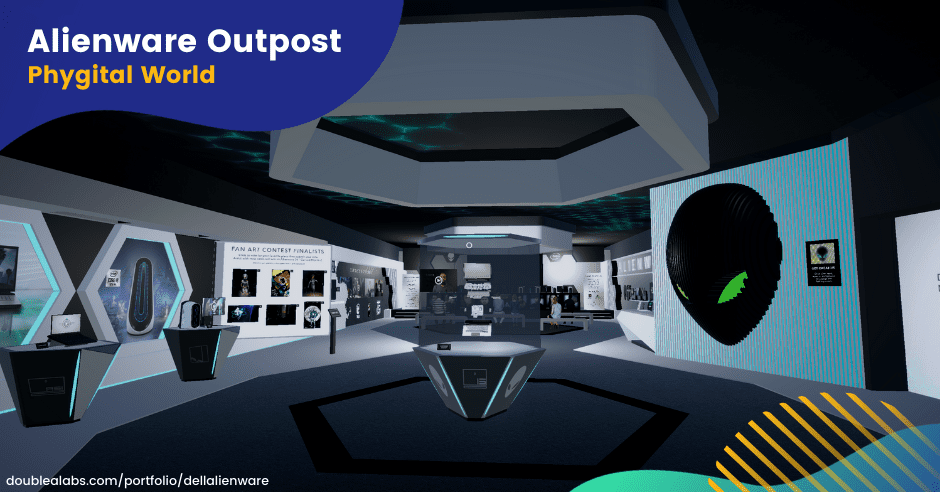
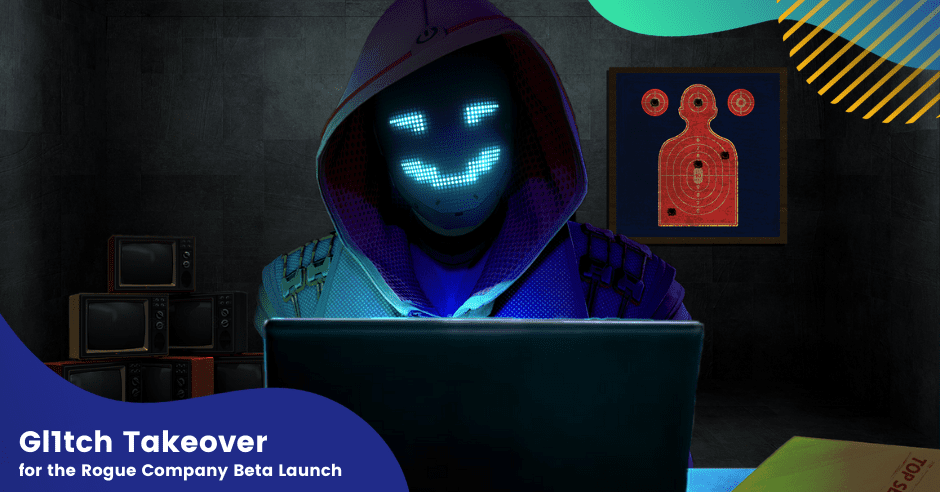
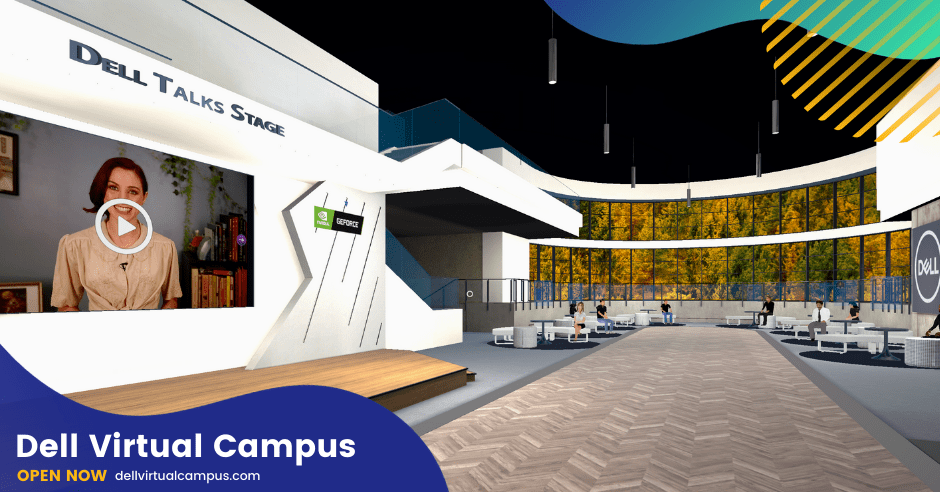
We do a lot of these virtual experiences. A digital dinner party is when we are trying to do multiple different influencers for coming together. YouTube was wanting to bring and collaborate and still have that happen in a world, in a time that they could not do that in real life. We were able to create a space that was a lot of fun. We did Uber Eats, so they delivered different meals at the same time. We had games and contests and we hosted it inside of a virtual experience. Even since then, we have a product and a platform called Digital World, physical and digital. Think of SimCity and Fortnite if you are playing that. We’ve built it on a WebGL, so it’s a website. You can go to the website and you can interact and go inside of these worlds and play, watch live streams, and do video content, but you are the driver. You get to choose as the consumer that comes in what you want to interact with and play with.
This is what I find fascinating because a lot of the entertainment industry is saying, “We’re going to have to create multiple endings to a movie and allow people to decide how they want that movie to end depending on what they choose.” It comes from gaming and now it’s immersing into a lot of other things. Let’s talk about your business card. Tell us what you have created and then other people can create with the ability to turn a business card into almost a hologram, right?
That’s exactly what it is. Everybody in their mind thinks Star Wars, Princess Leia pops up. That’s exactly what my card does. It is augmented reality. It’s our logo, the A. You can do it right off of our website, funny enough, so you don’t even have to have my business card. That’s the biggest thing, you get business cards and you are like, “Who is this person and what did they do again?” On our card, you hold it up through where they are posted up and it’ll have a hologram of myself with little bubbles flying around. As you click on the bubbles, each of the bubbles explains what the company does, whether it be a video, our Sizzle, or animation, which represents our digital worlds or a different style of animated logos.
For people who may not be as tech-savvy as you are, it’s almost like using your phone to get a virtual menu at a restaurant correct. You don’t have to have any fancy stuff. You just take your phone, put it to photo, put your camera over your logo, and you pop up. Is that the gist of it?
For my card, we have it as an app. That way, we can deliver new content all the time without pushing it out but to your point, we are doing exactly that. Just like at a restaurant where people have a QR code, we can do that as well. We’re doing that for a concert where a well-known musician is going to be made into a hologram and that show will only last for a short amount of time. As it pops up, you can watch them as a live concert in your room and it’s all triggered from the camera phone to the QR.
There’s been so much demand even for celebrities and musicians that are no longer with us, whether it’s Elvis Presley or all kinds of people. I’m thinking that’s a new whole new way to bring that, in the past, people have been going to Vegas to see a hologram perform. Imagine you could do it from your phone, people would pay for that, especially if you happen to be a die-hard fan. Let’s share some of these on the road hybrid experiences where a brand is wanting to make a big splash. What does that look like?
What we have done in the past, speaking of the digital space, where everyone can be a part of that, the reason that it’s called Digital World is that we can do something in a live environment. We’re all used to a Comic-Con style and pop up experience. We can host an event and have it to wherein one of the worlds that we worked with, we created an entire thing that looked like a TV set. People could walk through one of them. They had AR, Augmented Reality triggers like with Pokémon. We had it to that brand and you could collect them like a scavenger hunt. We created an entire VR world where you put a headset on and go into the mind of this serial killer. It was one of the movies.
How do you make technology not be scary, but incorporated all the way through? In a live environment, one of the things that we’ve had a lot of fun playing with is creating a digital world where people can walk through that same space, but then feel like they’re changing what happens in a physical environment. We did one where we had a live stream and an event where someone is on a surfboard. You’re getting to play Pong, old school and you’re trying to balance on the surfboard. The live stream is watching and they have a little ESPN, a little digital label. “Click on this. You’ve got ten seconds. Do you want to throw cats and dogs at him? Do you want to do cones? Do you want to do snowballs?” After ten seconds, the majority wins, and that is what happens in the physical environment. Over 3.7 million people in three days of interactively play.
Because we feel like we’re playing and we’re making an impact. If I were to sum up what you said, it would be technology can be immersive and make people feel like they have an impact on the experience they are watching.
[bctt tweet=”As an entrepreneur, don’t drink your own Kool-Aid.” username=”John_Livesay”]
We are no longer in the environment and it no longer resonates logos and impressions. We don’t want to be spoon-fed. We want to play with our food. We don’t watch commercials as a Gen Z and Millennial and even Gen X and Baby Boomers. If you’re interactive, you want to do stuff and you want to get your hands on things. How are we creating environments that let people be a part of the story? We grew up on Choose Your Own Adventure. If you taught us to choose your own adventure and I get to choose my own ending, then anybody wants to be able to be a part of the story. Creating things where you get to change it, be a part, or interact with it is what resonates with someone. It’s more about what they’re playing with not what they’re supposedly seeing in their peripheral vision.
What I love about what you’re doing is it’s not just for the entertainment industry, which is clearly all about trying to get people to watch a new movie or watch a new TV show and come up with some interactive things to do on social media. I saw one where you’re trying to throw popcorn into your mouth and have to hold your mouth a certain way. You also help companies. Let’s talk about a healthcare company. How does what you’re doing help them interact or learn some things in the operating room, for example?
One of the big ones that we were able to do for a medical world is we were doing internally for their 60,000 employees. We wanted to create something that explains what their product was that was rolling out. One, for example, was ophthalmology. In creating this internal app that was only available on their internal store for their employees, we were able to create some kind of hologram where someone popped up and had the bubbles around them. In each of those experiences that a person would click on, they would tell a story. One was a four-page white paper that was turned into a 60-second animation. Unlike a video, which is just 2D, you could walk around it and you could see it.
As the story unfolded, you could turn on a button on your phone and you would see that experience in augmented reality of what it looked like to have cataracts or myopic degenerative disease. You would see it in four different ways. If you had that eye disease, this is how you see the world. This is where technology is coming in not only on the empathy side but educating why something has to be dense that a person cannot quickly understand? We are visual learners. In a visual way, I can walk us a day in your step, then I’m going to understand what you’re experiencing and be able to then create a better environment around it.
I love that on many levels. First, the soundbite of the day, augmented reality is an empathy tool. I’ve never heard it phrased like that before and my mom is dealing with some vision issues. All I can do is offer some sympathy because I can try to imagine what it’s like not to be able to read or see stuff as well as you did and it’s way beyond just needing glasses. If there were some augmented reality experiences that I could imagine to have cataracts. In her case, it’s a macular degenerative disease, which is what Steve Wynn had, then it’s a more immersive experience for me to go, “Now I know why you can see this or that or how blurry that is for you and how frustrating it must be.”
It’s in your environment. That’s the thing. In VR, we close off to the world and we play inside of a closed environment. With augmented reality, is I get to be a part of my world. I get to see you, but it’s enhanced. I can see things whether it be at a conference and you see someone coming out and you’re like, “What was that person’s name again?”
You click a bubble. I want to go back to something you said and I’m trying to imagine what the readers are thinking. I’m like, “I can go to the DoubleALabs.com and hover my phone over your logo and I’ll get a hologram?” Explain that a little bit for somebody who’s ever done that. What is that?
We’ll have multiple different experiences there. What we do is one of the experiences is through the Double A Labs app. If you go and download it off at the store, Double A Labs is an app. This has made it to where it makes augmented reality a lot less expensive. We’re doing one for the medical space. If you go to our site and you hold up the Double A Labs app and it has A logo, it will come alive. It’ll be a digital experience.
We need to download your app and not just go to your website to have this experience?
Yeah.
I just wanted to clarify that for everybody because I know everyone’s going to want to experience this. We’ve all seen Princess Leia and the fact that we can have that in our own world would be fantastic. What do you see in the future? The Minority Report movie and Google Glass try to take off. Are the headsets for VR going to go away or is it all going to be augmented? What do you think’s coming?
It’s interesting that you bring up Google Glass. They were one of the first clients that we worked with Double A Labs. I found it fascinating that the red light is what freaked everyone out. Going back to what we talked about. Remember that story of growing up in East Texas. How do you make technology less scary and more adaptable? That is the one thing with Google Glass. When you walked around and I would see you wearing the glasses, you’d be looking at me and if I saw that red light, I’d know you’re recording me. Think about that. There’s something that’s not what we’re used to. Understanding what it is that scares people in technology and what helps them adapt it is one of the biggest things that is the mission and vision of our company.
[bctt tweet=”Don’t listen to the naysayers. What you listen to are the numbers.” username=”John_Livesay”]
When you’re talking about where I see the future of augmented reality, I believe like Apple and other consumers out there we’ve heard and they’re working on things like that in the market. We all have our phones on us at all times. It’s easy. The more mobile AR that we’re playing in and such, you don’t have to download an app and can’t hold up something. The easier it becomes and the less friction that there is, the more the adaptability and greatness. If I can’t get a headset and I don’t know how to map a room for virtual reality, then how am I ever going to adopt it? With a phone, we are having that all the time and we know what to do. This is why augmented reality is becoming more adaptable and picks up quicker.
I used to sell advertising in the fashion industry and we were talking about how retailers enhance that experience. They were talking about the future where you would walk in and maybe eventually, we don’t have to wear glasses. We can hold our phone up and the phone will scan us for our sizes, and then we hold the phone out to the whole area and say, “Here are all the clothes that are your size,” without you having to sort through a bunch of clothes. Your shopping experience will be more customized and efficient that way.
It’s interesting you said that. It’s what we are building inside of the virtual world. It’s like SimCity, the virtual style. We’re looking at building a retail environment. As you walk through this, imagine you’ve got to go into Whole Foods. You and I both know whenever I go into Whole Foods, I’m going to go to olives, and then I’m going to palms. I’m going to see capers and I’m going to get olives. I’ll go on Instacart or one of those online shopping and I ordered it all because I’m not visually seeing all the things around it. I’m not going to remember all that, environments that you can walk in, see it as a store, be able to click on it, and add it into your cart. It goes back to what you’re talking about, however, you can also do augmented reality on top of it, “I love those earrings.” Click it. Now the earrings are on my ears. “I love it. Let’s see it in a different color.” You didn’t have to put them in your ears or the hat.
You can ask your best friends. “Do I look good in these,” before you would click the buy and all that stuff? That’s what I’m excited about with all of this.
The technology is there.
Do you do big, long forecasts for growing your company? Do you have a 1-year or 3-year plan? Any tips for entrepreneurs on how to plan for the future since it’s always changing and evolving?
Our business plan of what we thought would be in the digital and virtual worlds of over a two-year plan has happened in six months.
That’s how fast technology is changing, right?
Exactly. The environment of what a consumer may have been scared of has been taken away with what they have to do digitally. One of the biggest things I always say is I make a plan as the CEO of this company and we go toward that, but not being scared to pivot and change. We were lucky enough that we were already a technology and event company. It’s a little early to market on some of our stuff but we didn’t have to pivot. We were ready for this time. However, as an entrepreneur, I’ve learned the biggest thing for me is don’t drink your own Kool-Aid.
The biggest piece is I can love a product that we’re doing but if it cannot be up to the level or that a client or that we expect as a brand at Double A, then I have to be okay with saying, “We’re going to put that one on the shelf and we’re going to do this,” or the numbers are not backing it up. That’s the biggest thing that has made us have 100% growth year over year. We’re at 286% growth in our tech and that is because it’s making a point of like, “This is working or this is not,” and not falling so much in love with it that you can’t listen to the numbers.
Don’t fall in love with your new products so much that you can’t let them go.
You have to have the numbers and the data to back it. That doesn’t mean everybody may say, “You’re too early. It doesn’t work.” I don’t listen to the naysayers. What you listen to are the numbers. What is the market like? What are my clients saying? What are my mentors saying? Putting that all together as a formula helps me understand what the projected growth is and where we’re taking the company.
That’s a great place to end. Don’t listen to the naysayers, listen to the data. People can find you at DoubleALabs.com. They can Google your name. Is there any other way that you want people to follow you on any social media platforms?
Yeah, I do a lot of blog posts on LinkedIn as well as on my Twitter account.
Amber, thanks for being such a great guest.
Thank you for having me.
Important Links
- Double A Labs
- LinkedIn – Amber Allen
- Twitter – Amber Allen
- Better Selling Through Storytelling Method Online Course
Wanna Host Your Own Podcast?
Click here to see how my friends at Podetize can help
Purchase John’s new book
John Livesay, The Pitch Whisperer
Share The Show
Did you enjoy the show? I’d love it if you subscribed today and left us a 5-star review!
- Click this link
- Click on the ‘Subscribe’ button below the artwork
- Go to the ‘Ratings and Reviews’ section
- Click on ‘Write a Review’
Love the show? Subscribe, rate, review, and share!
Join The Successful Pitch community today:
- JohnLivesay.com
- John Livesay Facebook
- John Livesay Twitter
- John Livesay LinkedIn
- John Livesay YouTube
Martial Arts Leadership Skills with Aslak de Silva
Posted by John Livesay in podcast | 0 comments
Episode Summary:
Leadership skills can be honed from any discipline, especially martial arts. Aslak de Silva, the CEO of Nordic Business Forum, has successfully used his background in martial arts in being a word-class experience leader. Aslak who now speaks about sales, digital marketing, and leadership in general credits this to his early days in martial arts and the lessons he learned from becoming better every day and letting go of perfectionism. In this episode, he shares how he started achieving success and how he learned the value of learning principles. He also illustrates what happens behind the scenes in the Nordic Business Forum and how the audience can also benefit from the immense value that these conferences generate.
—
Listen To The Episode Here:
Martial Arts Leadership Skills with Aslak de Silva
My guest is all the way from Finland. His name is Aslak de Silva. He’s the CEO of the Nordic Business Forum. He’s also a keynote speaker. He feels that personal and team development are what makes him thrive. He is a world-class experience leader at C-levels. He has the Nordic Business Forum where he tracks over 10,000 executives a year to visit the conference and more than 20,000 people watched the live stream. He’s an international speaker doing 30 to 40 events a year. He speaks about sales and digital marketing, leadership in general. He also happens to have a background in martial arts. He gets people like George Clooney to attend his events. He’s great on knowing what makes a good talk and how to make a good pitch. Welcome to the show.
Thanks for having me here.
I want to ask you to take us back. You can go back as far as you’d like. You’ve got your degrees in business. You went on to get your Master’s in International Management, but how do you go from that to being the CEO of something as big and exciting as the Nordic Business Forum?
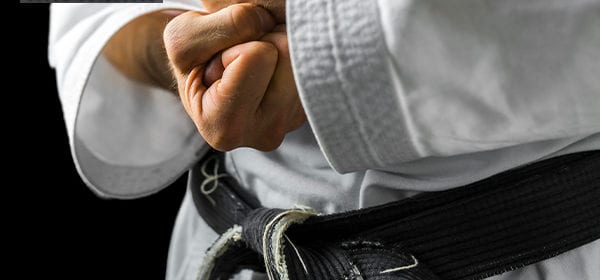
My first big career step was in martial arts. I started to train when I was twelve. I had a Korean master who was a very old school of martial arts. Even if you entered competitions and it didn’t matter who won the medals, it was more than you develop every day. You become better every day that way. The training wasn’t only about doing a particular technique or winning a tournament, it was more than every day you need to be better. It’s a harsh school because you can’t celebrate anything, that you see your mistakes. That got into me and I started to understand that, “How can I make every day better?” It means don’t make the same mistakes today as you did yesterday. Do something a bit better. In the end, it comes down a lot and you start realizing that you can learn a lot every day from anybody you meet or you can decide the way you want to go. If you want to go do yes or no or right or wrong, then life becomes quite simple. Long story short, I trained intensely for fifteen years. I was competing, I won a championship in one particular martial arts. I had about twenty clubs. I was teaching in the Nordic and in different countries: Norway, Sweden, Finland and Denmark. I had a couple of injuries.
I knew at the same time that you can’t play only one card. You need to have a backup plan. At the same time, I was studying, so I thought studying is a good thing to do because it’s about development. You learn new things and you want to focus on something. I thought in martial arts, you look people in the eyes all the time and you learn how to develop yourself. To me in the end, that was leadership. That’s dealing with people. That directed me to study also International Management. I felt already the international background living in different countries. I was intrigued by learning leadership and international management a lot.
[bctt tweet=”Meet your audience where they are now. ” via=”no”]
Let me ask you a couple of questions there. This concept of becoming better every day, does that help you let go of being a perfectionist and not beating yourself up when you do make mistakes?
Yes, I’ve been reading your book, John. You are a fan of that too. It is true. In the beginning, it’s hard because you do see mistakes and you get frustrated. I remember when I went to the competition, you felt that you could do better, but something is pulling you back in a way that somehow you’re stressful or nervous or you’re afraid of something. Those were the worst feelings. You control yourself and your mind. What I learned was how to prepare myself for the fight in a way that I could do my best. That felt good. If you do your best, you’re happy. It’s not about you’re perfect because you’re going to put yourself down on saying, “I made a mistake.” If you did your best at that time, you learn from the mistakes. You know that next time you will not do the same thing again. That’s a relief for you when you understand that perfection is something that you will never get into, but also sometimes you don’t know what that is, but you can always become a bit better. That’s very motivating for your development, that you know how to become better every day. You’ll know that you’ll be better. Even if now you didn’t win, you know that tomorrow you might win again.
As far as that mindset, because it is how I’m anxious, I’m stressed, I have some fear. I’m big on putting faces on the fear. Is it fear of rejection, fear of failure, fear of the unknown and figuring out how to deal with it? A lot of people are afraid of failure, especially when it comes to leadership. If you are a leader, you are like, “I can’t let my team ever see me fail or my team is so afraid of failing, they’re not taking chances.” What are your thoughts on that?
I do remember the times when you say, “Fake it until you make it.” You want to be something that you are not because you put it up in a way that you pep talk yourself that you can do it. You can get far with that and that’s totally fine. It also collapses the moment that you realized that, “I’m not that person.” As long as you’re honest to yourself, mistakes happen all the time. I was talking to my daughter and I was laughing, whatever I do, she says sometimes that I do a mistake. As a father, what do you do? When you realize that she’s unhappy about it or there’s something wrong, it’s just happened. Sometimes she thinks a different way. The same way in leadership also, I strongly believe that because it’s a human attraction that we’re talking about. We are not the same. If you can feel yourself doing your best and truly believe in yourself that you are doing the best you can with the right attitude, right spirits in all way and helping people. The outcome will be good. You’re not perfect. You’ll still make mistakes. If you worry about them too much, you cannot control yourself either and collapse there.
Take us on this journey that you’ve been on. You graduate with this International Management degree. You get involved in selling media. Talk about what that experience taught you. What are some of your secrets on selling?
When I was training martial arts, we did demos to people showing and going through what the martial arts is about. I did about 500 of those in different countries. I performed on TV. You can show physical sometimes, but you need to be explaining something. I learned how to explain. Even if I was exhausted, I’m always talking. People were asking, “How does this differ from other martial arts? What do you learn there?” I’m talking about these things and nuances. I always started in a way that, “What do you know about martial arts?” If the person said, “It’s not too much. Maybe karate or judo,” then I explain with that level that, “This is a bit similar to karate or judo, but maybe train more on your physical side as well.” If somebody was a super expert talking about nuances, “I’m going to mix martial arts training and I know these things there,” then I would talk on that level. I noticed that when I talk with people, you need to be able to talk the same language that they understand. Whereas I noticed that many people and I also, in the beginning, was super excited about what I’m doing. I try to teach everybody everything that I knew. I was talking about this is something that I learned. They’re looking at people in the eyes and seeing that they don’t understand me.

Martial Arts Leadership Skills: If you did your best at that time, you learn from the mistakes.
We have an expression here that’s like drinking out of a fire hydrant. It’s too much, too soon.
I realized that is sales in a way. That’s a conversation with people that you’re trying to teach something there that you love and you know about. You need to level up with the other one that you’re talking with the same language. You clarify for them. I could see that I could sell martial arts class to beginners or even the advanced one. That makes them intrigued about what I know and what we are training. I noticed how to talk with people. The other thing is in martial arts, when you go into a fight, you look at the person in the eye all the time. You’re reacting to what they are doing. You sense the feelings that they have. Are they confident or are they nervous? You can see when are they moving forward, what happened?
I was focused on observing what the other one is doing based on how I move, how they move. The fight in total to me, in the end, was observations of things that are happening. I graduated in International Management. I also thought that I have no technical skills or anything. The only thing I can do is to be with people. I thought that sales is something that you can also have the same attitude as with martial arts that you start somewhere, but you can develop yourself to become better. The results are quite easy to measure. I thought that this is something that I would love. That’s how I ended up in sales.
Sales is a conversation. Meet your audience where they are now. From there, you know exactly how to customize what you’re talking about, not too high, not too complicated. You went into media sales. You got some experience with selling using your martial arts experience. How did you get involved with the Business Forum?
Basically, in sales what happened was that in the beginning, I was not that good. I started with telesales. I remember picking up the calls and selling magazines. That was the first one, subscriptions for magazines and I didn’t like it. I knew that if I get credited in somehow, I can move forward and get a better place to work for. I had no experience of working. I was training and teaching. I thought that it had no value. For summer, I was working on a magazine subscription. I was the sixth-best in the month of July in selling magazines in Finland for a particular company. There were 500 salespeople. I took that diploma and said that the telesales is not going to be a problem. I was going for companies that have a better product that they were talking about content marketing or most solution-based. That’s what I loved.
Being able to talk with people and understand what they want and pitch it back, “If I have something to offer, this is how you work.” I got lucky in sales. There are a lot of books there. I started reading them and taking classes. I got promoted to be a country manager in a company called Mediaplanet in Finland. They’re running twenty people there. I realized that I want to develop my leadership skills as well because when you’re leading people, there you go. A few days later, I run with Nordic Business Forum. It was from the same town that I was born. I had heard about the story and they were bringing these world-class speakers to Finland. They had that time, Al Gore, Jack Welch and Brian Tracy and so on.
[bctt tweet=”Become better every day versus striving for perfection. ” via=”no”]
I was like, “They are coming here. This may be something that I would go for.” I was used to learning from the master. I’m used to listening to people on stage, observing everything that they are saying and I was writing notes. I managed to get into one of those events. I remembered the first speaker was Jim Collins. I have read the book, Good to Great. When he was speaking, I was like, “This is it for me.” I can listen to him live, make my notes and I can even ask questions there if I have some. I noticed that there were people around who were doing the same and I felt that group spirit that this is now the right group to be. Ever since I’ve been a customer of Nordic Business Forum, all the events they had in Helsinki, Sweden and Oslo, also as a sponsor there with my company that I was working before. I thought that was the best place to be.
Now you’re an international speaker yourself. What’s the name of some of your favorite keynotes that you give?
I’m not that good a speaker as you are. I’m not that recognized. I talk about depending on what people want to talk. I talk about sales and marketing alignment like how to work together and how to learn from each other. Lately, people have been more interested in knowing what you can take from martial arts to sales and leadership. I take those learnings that I’ll get in other principles of the old style of martial arts and the principles of lifelong learning, and what does that mean in real life when you work?
I could see that being a TEDx Talk for you, the secrets from martial arts applied to leadership. That’s fantastic. I love the journey of going from selling something on the phone to now you’re the Chief Executive Officer of the Nordic Business Forum. Tell us a little bit about what that is and why people should make the effort to come and experience it, the leadership experience they get. Tell us what it is that people can understand and why people from all around the world are coming?
To start, what Nordic Business Forum is we need to have to go for the founding story because that explains the spirit of how everything is happening. The two founders: Hans-Peter Siefen and Jyri Linden, they met at college when they were studying. Their friends introduced them to themselves. They were both doing some sales stuff in different companies. They had been to seminars and thought that might be something that they want to go for, arranging seminars themselves or conferences. They had their first seminar in 2009 and about 80 people attending $10 per ticket. Already they said, “This is going so well. Why don’t we go for international scope?” They changed the name in 2011 to be Nordic Business Forum.
Hans-Peter had a skiing accident and he was in the hospital. They had to come up with a theme of responsibility. He used that time in thinking the concept where you have one question. He had a question of, “Who would be the best speaker of responsibility?” He was writing down all the answers that come to his head. He came up with Al Gore. He was excited that 2011 that Al Gore was a big thing and talking about these things. He went back to Jyri and said, “Now I know who we will get as a keynote speaker, Al Gore.” Jyri said, “That’s a nice idea, but that’s next to impossible because Al Gore doesn’t come to Jyväskylä to Central Finland. They Googled the name and tried to get his number and find Al Gore’s office number. That was Hans-Peter’s first international call and they got to talk to the team.
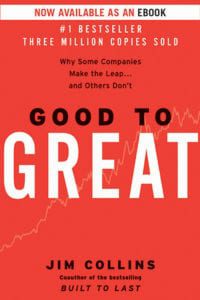
Good to Great: Why Some Companies Make the Leap…And Others Don’t
A few months later, they got the yes from Al Gore. The problem was that Al Gore wants an upfront fee for the speaker to be paid because it’s in Jyväskylä, Finland that nobody knows. They don’t know if they can trust the arranger and the organization as well. They had to sell their apartments and cars to be able to pay the upfront fee. The next problem was when they had Al Gore coming, they were trying to call people and say that Al Gore is coming to Jyväskylä but nobody believed that’s true. Luckily, people started to believe that this happened. They had other speakers. They were building up and selling tickets.
When Al Gore came to Jyväskylä, they were thinking about how to make the experience as good as possible. They called the mayor of Jyväskylä and said, “Since you have such a nice car, could you pick up Al Gore from the airport and bring him to the venue?” The mayor said, “Yes.” That says the attitude that you are willing to put everything because you believe that you can make it happen. For them, Al Gore was the best speaker at that subject field so they wanted to get him there. That gave him the best possible experience also to be there is something. This is what we do in Nordic Business Forum, we want every day to become better and make everything the best possible we know. We have learned lots of things. We made lots of mistakes and the experience passes on. We go through the things we have learned, the things we did well and then say, “What can we do better?” This is how it has grown a lot.
I like the lessons you’ve learned from martial arts, every day getting better so that you get better and better. Much so that you’ve got George Clooney coming to your event this October. How did that happen? I’ve never heard of George Clooney speaking at an event in the States, let alone in Finland? Was that difficult to get him to come?
You have to do some pitching skills as well. The same way we’re thinking that the theme for the 2019 event, which is going to be on the 9th and 10th of October in Helsinki, is growth. We were thinking of different themes of growth and how we can actually teach business owners and see them execute. One part is storytelling because that’s part of growth. You also know a lot about that. We were thinking who made the best stories that made a huge business. George Clooney happened to be in a tequila company that was sold for $700 million or $800 million. That’s a good storytelling skill to build up the company brand.
People don’t realize that besides being a political activist and being an Academy Award winner, he’s quite an entrepreneur. He’s in business with Cindy Crawford’s husband, Rande Gerber and gets paid very well for doing a lot of commercials overseas. He’s very connected to the pulse of entrepreneurship. I don’t care where you are in the world. That is one of those where they call in the business a great get. It sets the stage for why people would come and what they would learn. You have other locations as well that are coming up. Obviously, if people can’t make it this October 2019 to Helsinki, there are some other opportunities coming up both in Stockholm and Oslo. Would you tell us about those?
The Oslo Business Forum is going to be at the end of September. It’s quite close to Helsinki. The 2020 dates will be launched a bit later on. Stockholm is going to be on the 21st of September, 2020. The focus of these events is a bit different on the size and the length. In Helsinki, the main event is two days and a full set up with twelve to fifteen speakers. We only have one stage. Everybody’s looking and listening to one stage. Where in Stockholm, we go a bit longer than a half-day, a shorter term, fewer speakers but a concise package. It can be marketing and leadership in that sense. Whereas in Helsinki, we go broad where we will have some economists or professors also building the big picture. The same way in martial arts, my master used to say the technique is just techniques. The understanding of what you do comes from a bigger picture understanding first. You need to learn the principles.
[bctt tweet=”Sales is a conversation. ” via=”no”]
For instance, in 2018, we were having a couple of lessons on the blockchain. For business leaders, it shouldn’t be technical, what do you do in your business with blockchain? First, you need to understand what the concept means and what it means in the big picture of how it’s going to change the business field in general. Not your industry, not your company but those things. Then you’ll start understanding, “What does it mean to me?” This is the focus of our conferences in general. We were talking about George Clooney. When you learn how he perceives storytelling and what tips does he give? Many will think, “I will never get George Clooney to work with me.” That’s not the point there. You’re lucky if you get, but the point is to understand what he is thinking and you see the best in the world, the big picture. Then you can start thinking about, “What does this mean for my company, my business?”
Let’s give the audience an example of that. I talk about storytelling genres, give examples of a movie and a brand using that storytelling genre to communicate their stories. If people are thinking, “I’m going to come here, George Clooney talks about stories.” Obviously, he’s at the point in his career where he can produce, direct and even decide which one he’s going to star in. He must be able to look at a script and figure out what’s the story genre? Does it resonate with me? From a business standpoint, we can start to look at these genres and say, “Is this what my company is telling the story of?” Stories are what resonate with people and make them memorable. One storytelling genre is a rebirth.
There’s a classic Christmas movie, It’s a Wonderful Life with Jimmy Stewart, of what would have happened if had he killed himself versus staying alive. The impact that we all have. Prudential is a company that uses that storytelling genre. They say, “Your retirement is your rebirth. It’s your third act. It’s not just a continuation of middle age.” There’s a genre, there’s a movie and now I see a brand using it. Another example of that would be leave home, have an adventure and come back and tell about it. If you think of a movie that does that, that’s The Wizard of Oz. If Dorothy had listened to her aunt and went in the cellar, she wouldn’t have gone on that adventure. Expedia, that’s exactly their genre. They encourage people to go book a trip, go to Helsinki, go to Sweden or go to Stockholm. Go have an adventure and go to the NB Forum. Use Expedia to book your trip, come home and tell all your friends about what it was like to hear George Clooney or Seth Godin or anybody else that you’ve got. That brings it to life a little bit about storytelling, genres, movies and how having George Clooney as a storyteller in the movie business can be applied to business.
That was way more interesting to hear than having like a copy text of an advertising campaign. People resonate a lot on that. I truly believe that storytelling in that sense is a skill that every one of us would have to learn.
This has been fascinating. I’ve had the good fortune to get to meet and spend some time with you in person. I was so excited to bring your story to the audience that I am fortunate enough to have around the world in 60 countries. My intent is that people reading this are going to go to NBForum.com. Are there any last thoughts or insights that you want to say about either leadership or having you as a speaker or some encouraging words to get people to consider coming?
The focus of our event is on customers. What we want to do is to be the best in the world in arranging these conferences. Our mission by 2021 is to be the most significant business conference in the world. How that also happens is that the customer experience that people get when they are out there is something different. We have over 100 different places for what can happen. If the audience feels cold, how do we see that you are feeling colder? If you feel thirsty or if you look lost or you’re looking for toilets or if coffee spills on your pants, what do we do? If you lose your Apple pen, what do we do? To experience that because for leaders, especially if you’re talking about growth companies and you want to make it big. You need to understand how you can do that for customers. That’s the best place to see because there are lots of things happening, there are a lot of people at the same place and all that.

Martial Arts Leadership Skills: Storytelling is a skill that every one of us would have to learn.
Often people might feel bad or feel that they are not that special. 7,500 people in one place, there comes lines where you’re waiting. How do we deal with that? That is something also to learn because if you get that as a leader, you know how to be treated as a customer well-enough so that you can take that as well. That is one of the pitches that we use a lot. That’s what we’re famous for. We get even more tweets about great customer service that we offer at the events than when we had President Obama on stage. That tells a lot that even though that was a huge thing for us and for the audience, still people value even more the experience that they get there.
That is fascinating because when I was working with the Banana Republic and Neiman Marcus, they were always talking about the definition of luxury as anticipating a need before you know you even need it. The Banana Republic said, “We can’t compete with Neiman Marcus but we can try.” They offered a place to charge your phones when you were shopping at some of their places, Rockefeller Center or big stores so that you go, “That’s a need I didn’t know. I need to have my phone charged while I’m shopping.” The irony is their sales went up because people kept shopping while waiting for their phone to fully charge. Lexus did the same thing. They said, “We’re going to connect your phone to your sound system so that when you’re blaring your music loud and the phone rings, we’re going to turn the volume down so you can hear your phone ring.”
You didn’t know you needed that but it sure is a luxury. When you’re describing you’re lost, you’re cold, you’re confused, coffee spilled, it’s almost like a top-level Concierge Hotel being willing to anticipate. For that kind of volume, it’s not just intellectually hear somebody talk about it, but to come and experience it, they can take those lessons back to their own life and business and make themselves even more productive. That’s such a great takeaway. What a joy to get to know you. I am excited to read about and watch some of the live streaming for the upcoming events. I’m looking forward to attending one myself again.
Thank you, John.
It’s NBForum.com to find out more about you. Are there any other links you want us to mention?
No, that’s fine.
Thanks again. We’ll look forward to hearing all about the exciting lessons learned from your wonderful events.
Thanks, John, for having me here.
Links Mentioned:
- Nordic Business Forum
- Good to Great
- Mediaplanet
- Hans-Peter Siefen
- Jyri Linden
- https://www.NBForum.com/
Wanna Host Your Own Podcast?
Click here to see how my friends at Brandcasting You can help
Get your FREE Sneak Peek of John’s new book Better Selling Through Storytelling
John Livesay, The Pitch Whisperer
Share The Show
Did you enjoy the show? I’d love it if you subscribed today and left us a 5-star review!
-
- Click this link
- Click on the ‘Subscribe’ button below the artwork
- Go to the ‘Ratings and Reviews’ section
- Click on ‘Write a Review’