
TSP018 | Chris Hanks – Transcription
Posted by John Livesay in Uncategorized | 0 comments
John Livesay:
Today’s guest on The Successful Pitch podcast is Chris Hanks. Chris has an amazing background from being an entrepreneur himself to co-authoring the book, School for Startups with Jim Beach and now he started not one, but two entrepreneurship centers at different universities in Georgia. Chris talks to us about how to take action over just thinking you have to have the perfect idea and how important that is. He said, “when in doubt, just go do.”
He said, one of the things he teaches in making a great pitch is come up with something that’s going to give investors goosebumps and he gives examples on two or three ways to get people to get goosebumps when they hear your pitch so that they’re inspired to want to invest in you and it’s all about articulating the future. That’s what makes you CEO worthy. Enjoy the interview.
Hi and welcome back to The Successful Pitch podcast. Today’s guest is Chris Hanks who is the founder and executive director of Kennesaw State University, which is just a few miles north of Atlanta, Entrepreneur Center. Before this, Chris was the founder and director of the University of Georgia’s Entrepreneur Program.
He’s own multiple businesses including music, ecommerce, publishing, and export ventures. He’s the co-author of the bestselling book with Jim Beach on low risk entrepreneurs called School for Startups. He leads the International Entrepreneur Institute and is certified in business valuation, providing expert witness testimony. We’re certainty going to want to ask him about that. Chris, welcome to the show.
Chris Hanks:
Thank you so much for having me.
John:
Chris, you have such an interesting background. I don’t know where to begin, but I’m just going to ask you to start with how did you come up with the idea of founding an entrepreneurship center at these universities based on your own entrepreneur experience?
Chris:
Well, basically, I think it just came out of a passion and a nerdiness about entrepreneurship. I came to University of Georgia as a teacher just to teach entrepreneurship, but there’s so much about entrepreneurship that happens outside of a classroom environment and I have not found a better tool to affect change in people’s lives than entrepreneurship.
So, start off with literally buying pizzas for students and meeting in a class room after class and from there was a start of a, hey, let’s build a program and a center that’s known for transforming student and I did that for eight years at University of Georgia and now I’m in my first year at Kennesaw State University doing it all over again.
John:
Starting from the ground up just like another startup in a way, right?
Chris:
Absolutely.
John:
I really want to have you expand on that concept of using entrepreneurship as a way to transform students. That is so interesting to me, because people buy transformation, not information. I am constantly telling my clients that when they’re pitching investors and so if you’re literally helping people transform their confidence level, their perseverance skills, tell us what you mean by that. What is it that you see the students transforming into?
Chris:
Well, it’s really fascinating to me to like literally see people become a better version of themselves. There’s so much about, like, entrepreneurship is – there’s so much information out there, but it’s not information that changes us. I would rather students take my classes or come to my programs and they learn nothing, but they’re motivated to act on what they already know, because in entrepreneurship, action trumps everything and it’s through the actions that we learn about ourselves and we change and so forcing students to do rather than yes, we’ll study and analyze, there’s an appropriate piece to that, but hey, when in doubt go do.
Having that and watching people, you know, we learn how to become better by pitching, doing things that scare us. Even small things that lead to the transformation, for example, one silly thing that students make fun of me about is I never allow the students to sit in the same seat twice, never, because we have to get outside our comfort zone. We have to engage, we have to and by doing those, even small things can lead to big results.
John:
Well, if nothing else it gives you a different perspective, right, and you might have to lean in a little bit further to hear if they’re not at the front row. When in doubt, go do. We’re going to tweet that out. It’s one of the takeaways already. That’s a great line. I love it. Can you back us up a little bit Chris about what your own experience was in music and ecommerce as an entrepreneur and what made you decide, were you a college student when you said, I’m not doing the corporate route, I’m going to be an entrepreneur from day one?
Chris:
No, well, I did start two businesses in college, but I didn’t know I was an entrepreneur, I just knew I didn’t have enough money for tuition, so it was entrepreneurship by necessity, but I didn’t know that word. I didn’t know that was what I was. I just started a small delivery service and I sold t-shirts, but it wasn’t until – I left college and had a brief corporate career, but for some reason I was in my late 20s that I just, you know, like, I [cuts out] Saturday, because the next day was Sunday, which the next day was Monday. From Friday at five or Saturday at three I was happy.
So, I was basically just living for the weekend, right. I just wanted excited to get up on Mondays, so again, I didn’t know I was an entrepreneur, I just knew, gosh, I just want to be happy. I want to do something that I feel like it matters, so I started a small music store, just on the side. I thought, well, maybe this will be a fun thing to do on the side while I still continue my corporate job. I started as a very small music store, but that’s when I caught the bug. That’s when I knew.
For some reason, I know this is just 1,600 sq ft of nothing to the outside world, but when I walked in, I was happy, you know? So, I started a music store and then I got a small recording studio and then I got a very small entertainment business and this is all pre dot com and then the dot com thing happened and that’s what got me more sophisticated as far how do you raise money, how do you solicit investment, how do you pitch, how do you structure deals.
So, the dot com thing happen, which got me a little bit more sophisticated and then I got really into it because I started buying and selling small businesses. Buying a business for five million – sorry, five million in sales and saying, gosh, I could probably get that to ten million in sales and then realizing I was wrong, a lot, so that’s what lead to me becoming really understanding evaluation and getting certified as a business appraiser, because I really was, all the wealth that I have is trapped in the small businesses that I own and I don’t know what that means and so that lead to me doing expert witness testimony, which lead to the guest speaking in college, which lead to me teaching.
John:
Wow. What a journey. I love it. I really want to dig in a little bit on this business, getting certified as a business appraiser. We all know about real estate appraisals, right, how much is your house really worth to get the loan, how is that, if any, if at all, applicable to being a business appraiser. Is it similar to real estate or is it completely different?
Chris:
It’s conceptually similar, but it’s certainly a much more in depth process, because, you know, in real estate, we can look at like how is this in your community, but you know, as a proxy and business valuation is hard, because we can both own a Subway restaurant and maybe mine is zero dollars and yours is worth a million dollars and you couldn’t tell that from the outside.
So, there’s an intense analysis that goes with it and basically what you’re trying to assess at it’s core essence is how much cash will this business generate me in the future divided by the risk of me actually getting that cash, so conceptually it’s a little bit similar conceptually to how real estate appraisals are done from a financial perspective, but much more in depth and it’s a much more – a combination of like art and a science.
John;
Yes. I can’t ask enough questions about this, because this is one of the key areas that a lot of startups need help on when they’re putting their pitchdeck together, you know, we don’t want to undervalue our company, but we certainty don’t want to come across as naive and over value it, especially if we’re going to ask for a a million dollars for 20% of our company and that sets XYZ valuation, is that realistic. A lot of it has to do with this art versus science thing that you said, which is the risk factor and whether that entrepreneur has a really great track record or if this is their first startup, correct?
Chris:
Oh, absolutely, because, like, especially with a startup, you know, it’s all based on the future. So, one of my goals, if I want to increase my valuation is, how do I de-risk this in the mind of the investor. You know, so, you know, basic things that come to mind. I want a clear path to customers. If I have a clearest and directest path to customer will make this less risky in the mind of the investor so that increases my valuation, because anytime risk goes down, value goes up.
John:
Right, that’s a great tweet right there. Risk goes down, valuation goes up.
Chris:
Absolutely. So, management team, right. So that, okay, what tangible evidence do I have or what hard evidence exists of their accomplishments. That’ll de-risk it, right, that’ll keep the risk. So, a lot of folks, at least a lot of my students will think, well, you know, investors, they like risk, they’re suppose to take risk. Nobody likes risks, right, so to the extent that I can de-risk it and make the risk of this venture less and less, the more value, the higher the valuation of my startup.
John:
Great. So in addition to obviously having a great track record and a great team that lowers the risk and a clear path to customers, is there any other big thing that a startup can do to de-risk their startup to get a higher valuation?
Chris:
Yeah, there’s a whole host of things. So, certainty a team and revenue, right, come to mind, because those tend to be big deals. A clear path to revenue, any tangible customers, that kind of thing. As far as, anything I can do to, because one thing that’s hard about a startup valuation in the beginning is there’s not tangibility to the deal. Meaning, I can’t touch it and feel it, I can’t see your employees and all that, so one thing that de-risks it is being too articulate. Very clear milestones. In 18 months here’s the pitch of what my business would look like. If I could paint a compelling picture.
Now, a lot of times, we know we’re forecasting the future and that’s difficult, but if I could say, look, at 18 months, here’s where my business will be, even if it’s not there at 18 months, the point is I can clearly articulate the future and that’s what a leader has to do. I am taking you to a place that doesn’t exist now, you know, to a place that exists later and the better I can do that, that tends to de-risk it. It’s like look, this person has vision and resources always follow vision.
John:
I love that. Articulate the future, that’s what a leader does. That’s a great tweet as well. My goodness, that’s such a great line. Thank you. Incredible. Now, tell us a little bit about what’s it like to be an expert witness and when do you get called in?
Chris:
Oh boy, I thought being an expert witness would be a really fun and amazing thing and maybe because I watch too much television, it’s not as cool as it sounds. It is not. I definitely did not enjoy that to the extent that I thought I would, you know, the idea of being called in as an expert, I thought what a wonderful teaching moment that will be, it’s all about the facts, I’ve got a very well researched valuation that I’ve done and it doesn’t really work like that, because lawyers are trained to rip apart guys like me on the stand, so it’s not quite as enjoyable as I thought it would be. If they can destroy a medical expert, they can certainty destroy a valuation expert if your valuation is destroying their case.
So, not quite as enjoyable as a process as I thought, but I get called in and I don’t do them much anymore, because I don’t live in that world as often as I used to, but divorces are a big reason why people need valuation, you know, because you have to divide the assets. Partnership disputes, right, you’re going different ways, and eminent domain where the business is being disrupted. The state gift tax situation, an unfortunate death, and there’s taxes that have to be paid on the value the business created, so things like that. Because valuation is a very in depth process, it’s expensive, so a lot of business owners only do it when they’re forced to, like these kinds of circumstances.
John:
Right, how fascinating that it’s not just for the investors that there are so many other things that come into place of when you need an expert to give an valuation on that.
Chris:
Yeah.
John:
Well, I have to ask you about your friendship and relationship with Jim Beach, A) because he’s such a great guy and has this amazing radio show that you guys co-founded called School for Startups. In fact, that’s the name of the book you co-authored and the fact that team is such a key thing in whether somebody invests with you, as you said, it’s one of the key factors to lower the risk. How did you two guys meet. How did you come up with the idea for a book, what are some of the book’s takeaways, tell us that whole story.
Chris:
Well, basically we met at – we were both teaching at Georgia State University, that’s where we both fell into teaching. We’re both entrepreneurs who fell into teaching and I was doing a lot of guest speaking at Georgia State and they gave me a class and so we met there and we did, I kept hearing about him, because his classes were really popular and then he heard about me, because my classes were popular. So, we decided to do this seminar together on a weekend.
John:
Lucky students.
Chris:
Well, I’ll always remember the email that was sent. I saw an email that a student sent out and it said, “Finally! The Batman and Robin of entrepreneurship are together.” I thought that was the coolest thing in the world until I realized..
John:
You were Robin..
Chris:
Exactly, right.
John:
No one wants to be Robin, right?
Chris:
Exactly. Jim will be very nice and gracious and say things positive about me, but I’m clearly the Robin in that relationship and he’s the one, School for Startups was really sort of his vision, his efforts, he was the one who lead it, I just added my two cents here and then, but really, it’s Jim who is really the visionary and really the mind behind all of that. I just kind of rode his coattails a little bit.
John:
Which came first, the book or the radio show?
Chris:
The book. We were contacted by McGraw-Hill to write the book and they wanted us to write a book and so that title was actually their thinking, because they thought, hey, that would be a great name for a book and it will sell some copies and so from there came the radio show and the other things.
John:
For those that don’t know, the radio show is hugely successful. Jim interviews multiple people per week and I believe it’s carried in a 11 different syndicated stations across the country and I highly recommend it. School for Startups Radio and the kinds of guests that he has and the kind of information is quite valuable and intense. I love that a book spawned the birth of this really wonderful radio show and the two of you being Batman and Robin in the entrepreneur is quite great.
Chris:
Yeah.
John:
What was your favorite part of writing the book and what would you say is a big takeaway from the book for people?
Chris:
My favorite thing is the message, right. I mean, the overall theme, I guess, it’s basically a book about low risk entrepreneurship, meaning like, look, okay, it doesn’t, you don’t have to be the most creative person in the world to start a business. You don’t have to wait for passion, for, you don’t have to, you know, you can just desire something and actually start acting on it.
This idea that we have to sort of wait until we’re struck with a bolt of lighting before we do anything great is something that we’re both very passionate about de-mystifying that idea and so, you know, entrepreneurship is not for a select few. Entrepreneurship can be for anyone and so that is my favorite part of the book. Inviting all people into this tentative entrepreneurship rather than, okay, just the people with a business degree or just the people who have an idea that’s never, ever been done, which is a misnomer, because all ideas are, you know, most of all ideas are mostly copies and there’s just one small piece of it that’s a little bit of an original, have a little bit of originality to it.
So, I love the fact that it invites all people, people who say, you know what? I see an opportunity and I want to do something about it. I want to make my life better. I believe in the possibility of something better and I want that. I get excited about the message of it.
John:
I love it. Making my life better and then in turn, I make the world better, because it all starts with if you’re happier and you’re making a difference and that’s your focus, if you had to come up with three characteristics that you think investors are really looking for when they fun a startup, what comes to mind?
Chris:
I wish it was more of an original thought, because you think that you already sort of talked about and talk about a lot, but you know, obviously team, right. I mean, you always hear that over and over again., bet on the jockey, not the horse. So, you know, the people matter and what makes you CEO worthy. Why are you worthy of that? So, certainty team, right, and then obviously is there a business model that makes sense. How do you make money at what you do and when will you make money at what you do and very clearly, not just vague answers, with clarity builds power, right? So, I can’t just say, well, you know, I’m going to do this app and I’m going to have advertisers, that’s not a business model. Very clearly articulate your marketing system that guarantees you revenue by when. Really hard at doing that, but there’s a process and a method to that.
John:
Clarity equals power, is that what you said?
Chris:
Yeah, absolutely.
John:
That’s what I heard. Yeah, I love that. That’s a great little formula that makes it the clearer you are, the more power you have, the more compelling your proposal is, your pitch is to investors. Let’s dig in a little bit into some of the words that would make somebody CEO worthy. Is it integrity, is it perseverance, is it passion? How do you define CEO worthy?
Chris:
Yeah, it’s kind of a vauge thing, you know, like CEO worthy, but I certainty look at track record and that doesn’t mean you have to have 20 years of business experience or have lead companies, but you know, even if you delivered pizzas for Pizzahut, well, that’s great, what about that makes you a better you? Hey, you know what, I’m great at working under stress circumstances and I’m great at logistics, that’s what I took away from that.
So, I helped a woman who was a single mother of three raise capital and she was saying, you know, I don’t have anything in my background that makes me CEO worthy and I was like, wait a minute, you’ve raised three kids all on your own, what does that tell me about your ability to deal with a lack of resources. You know, your ability to deal with adversity, your ability to show perseverance.
So, you know, it’s translating our experiences in a way that’s meaningful. It’s like, what have I learned from my past that’s going to make me better in the future and being able to show that. So, CEO worthy is not necessarily here’s my list of MBA and ivy league school that I went to and all the courses I’ve attended. It’s know what – show me the evidence that makes you, what’s going to make you a leader that guest you great results for me.
John:
What I hear you saying, Chris, is what are your life lessons that make you CEO worthy versus what are your degrees?
Chris:
Yeah, absolutely, because everybody you’re pitching to has degrees. I mean, the degrees aren’t necessarily going to impress people. It’s like, okay, but so what? So, I like answering the so what behind it, like, okay, I have a degree, so what? And answer the so what. I had this job, well, so what? Answer so what? That brings a lot of value proposition. It’s not the differentiator itself, it’s the so what behind it.
John:
Right. Since you mentioned helping get a single woman with children funded for her startup, let’s talk a minute about women in the world of startups and you know, there’s a very small percentage of women in VCs and there’s a small percentage when you look at it of women getting funded in general. Do you see the classroom shifting from a demographic standpoint? Are there more women coming to these entrepreneur centers and classes?
Chris:
No is the short answer. If you look into my class and you say, okay, well, if you know, assuming there’s 50/50 women to man ratio, then I should see 50/50 in the classes and you just don’t. Women as far as – who gravitate towards entrepreneurship, it’s not as high as a percentage. I may have like a 20% women in my class. So, we don’t see that, but I don’t think that means women aren’t gravitating towards entrepreneurship, they just don’t necessarily see themselves in that light, a lot of times right at the beginning of their college where as you extrapolate the data later, 47.9% of all privately held businesses are owned by women.
Now, a lot of people argue that state, because they’ll say, what if we took out the Mary Kay or the daycare home, but a lot of times women run businesses, they’ll see it as an opportunity to okay, you know what, I’m tired of this corporate career. I’m going to do my own thing so I can stay home with my child or, you know, I never saw myself as an entrepreneur, but my spouse was laid off so now I need to do something, so we all, like as far as youth entrepreneurship, you tend to see more men than women, but later on in life, you see almost as many, just as many woman as men.
John:
Great. If you had some words of advice for someone going into pitch about how they could best articulate the future vision that they have for their company besides tell us a story, do you have any other words of wisdom or what is it that you teach in your entrepreneur class that people may not know from reading a book?
Chris:
Boy, there’s a whole bunch, because we spend a lot of time on this art of pitching, but one of the things, I mean, I got some saying that I say over and over again, but one of them is, goosebumps always sell.
John;
Great! We’ll include that up, for sure.
Chris:
So, what can you say during the pitch that will give them goosebumps, because if I can do that, I will get their money. So, what can I do, because that’s what we’re going for. It’s not the data, yeah, investors are smart, but it’s gut first, you know, mind second. I want to go with our gut. I want to connect with them on a gut level. I want to get them so excited that they’re going to tackle me before I walk out the door. Like, what can I do to say that or get as close to the bar as possible.
Also, another one that I’m big on is, a lot of times when we’re pitching we feel like we have to download all this information, you know, even right now during this interview, it’s hard for me because I’ve got all these things in my head that I feel like I should say, but you gotta remember, the investor is not listening to every – every time we pitch, they remember tone more than words, they remember body language more than words, and they’re not going to hang on every single word and be able to sort of remember that, so it’s not what sort of information I have to cover, it’s what do I want them to remember and I gotta stay focused on that.
Okay, they have got to explain this to their spouse two weeks from today what I want them to explain. So, it cuts through a lot of the jargon and a lot of the complexities. It’s like, okay, let me boil down what I’m pitching into a very simple language, because simple language is remembered better and it connects us more on a gut level better, even though I’m tempted to use big words, because I want you to think I’m smart. You know, it’s okay to say, dude, you know what, I’m going to make you more freaking money than you know what to do with. That’s a better thing than saying, you know, we have a sophisticated aggressive growth business model that will have revenue, you know, shut up.
John:
Yeah, it’s not conversational, yeah.
Chris:
That’s not connecting with me.
John:
Do you have a story that you heard and gave you goosebumps or do you have something that a student said that the class went wow, that gave us goosebumps.
Chris:
Well, there’s several, yeah, there are several things and several examples like, I actually won an elevator pitch competition using an approach that I like to sort of, I’ve named all of my pitch approaches after musicians, because I used to be in the music business and it’s easy for me to say, hey, put this sentence here and put that sentence there, just say, hey man, I want you to do a Kanye West strategy, you know, it’s just easier that way, so there’s a John Lennon strategy based on the song Imagine, but that’s a beautiful way and I’ve had several students use that where right away I talk about what’s possible.
So, like, you know what, imagine, and then you paint the picture in one or two sentences, right, imagine if you didn’t have to deal with this problem anymore or if this social issue was no longer a challenge and you’re painting a very beautiful picture for about no more than, sorry, no more than two sentences, then you go into how you solve that, how you create that. So, imagine approach works wonderfully well as far as creating goosebumps.
John:
Nice, yes. I’m just so hungry for on more example if I could. Give me another, like you said, Kanye West, what would be another example of a song transitioning into a goosebump moment.
Chris:
Let’s see, well, goosebump, I tend to – being from Athens, Georgia for so long, you have to have an approach named after REM. Being a REM fan, but there’s an REM song that many people don’t know unless you’re a big fan. It’s called I Believe. It was written in the late 80’s, but belief is a wonderful way to create goosebumps, so instead of telling you what I do, I’m going to start with what I believe and if I can really talk to you about what I believe and if you believe what I believe, we’re going to connect and that’s more likely to give you goosebumps than the data I show you after that. So, instead of starting with what you do, talk about what you believe in a way that connects the audience and you’re more likely to get goosebumps.
John:
I’ll say. That’s so great. Oh my gosh. That’s really wonderful. So, we’re coming to the end already. IT goes so fast and you’ve given us so many great takeaways. I love that. If you believe what I believe, we’re going to have a goosebump moment and connect and people are going to say, I’m the right investor for you and vice versa. Is there something else that you recommend to your students to read or that you’d recommend to our audience, our listeners, to read around entrepreneurship or any kind of help book that you think would be useful on getting to be a better version of yourself as you said in the beginnig.
Chris:
Oh, boy, there’s so many. There’s, obviously, I really – Jim Beach with School for Startups, I gotta plug that.
John:
Absolutely.
Chris:
That would be one. There’s also, you know, I mean, again, it’s a classic, Lean Start I like, because I like that, there’s a lot of images in that book that I like. Art of the Start by Guy Kawasaki. There’s one part in there, for example, every time I’m pitching, remember there’s a little man whispering in my ear, ‘so what?’ I’ve always liked that image. I would recommend that. There’s also a book by Chip & Dan Heath that I’ve liked called Made to Stick and basically, you know, why do ideas sort of stick in certain urban legends stick and others don’t and what makes things remembered.
John:
Great. Chris, I can’t thank you enough for being on the show today. What is the best way for someone to follow you on social media and keep update to on your words of wisdom. Is it best to follow you on LinkedIn or Twitter.
Chris:
Yeah, I’m certainty on LinkedIn. So, that’s certainty a way. I’m not as active on Twitter as I should be, but certainty through Kennesaw State University, if you Google that and our Entrepreneurship Center, that’s how you can keep a prize of sort of our events and what we’re doing, because we are very, very aggressive about transforming entrepreneurs and doing some neat things, so anybody who wants to get involved, they’re more than welcome.
John:
Fantastic. Thanks again, Chris.
Chris:
No, thank you.
TSP017 | Charles Smith – Transcription
Posted by John Livesay in Uncategorized | 0 comments
John Livesay:
Welcome to The Successful Pitch podcast. Today’s guest is Charles Smith who works at Social Starts, which is both an investor in seed round as well as series A and Charles talks to us about the different criteria and the different amount of money that they invest and how they decided. Charles said that the culture of a company beats the scheme every time. He talks about one of the companies they started as one of their first investors called Boxed, which is basically Costco for the mobile app and the CEO of that company is so successful now that they are paying for their employee’s students to go to college, which is obviously generating tremendous amount of publicity and a huge success story.
Charles talks about how important it is to find out other people who have pitched him and what questions he’s going to ask before you come to see him. Great intel. He really wants to know why this idea is great, how it’s going to change the world, why you’re passionate, and most importantly, why you’re the right person to make it happen. Enjoy the interview.
Hi and welcome to The Successful Pitch podcast. Today’s guest is Charles Smith who is working Social Starts. He was just named one of the top 25 angel investors in New York to know, so you can imagine how excited we are to get to know him on the show today. Welcome, Charles.
Charles Smith:
Thank you, John. I’m excited to be here.
John:
Would you tell us a little bit about Social Starts and then maybe backup and tell us how you got into the whole startup world in the first place.
Charles:
Oh, sure. Social Starts is a seed stage investment fund. It also has an A round fund, so we have a very interesting approach to the world. We have over 160 investments spread out over four years who very active fund and we really like to be the first money in to a company and then we also always reserve pro rata so that we can invest out of our series A funds. So, we look at those as two separate stages in a company, obviously, but we’re very particular about what we want to see when a company raises series A, so those criteria are very different going to seed to series A. The way we look at the world is the internet has enabled trust over distance at scale for the first time in human history.
John:
I love that. We’re going to Tweet that out. Trust over distance.
Charles:
Yep. So, our general part is a man called Bill Loshe, coined that phrase, or at least I credit him with coining it, and so we look at things that are right in that vein. Like, what does trust over distance enable? It enables media to happen, it enables social networks to happen, it enables you to make friends and have those friends tell you about things over distance and so that’s where we look. So, if you look at our portfolio, it is a lot of examples of social analytic platforms, marketing analytic platforms, media platforms. We do a lot of mobile commerce and we’re looking at the software of the internet of things as well. So, those are the ideas in which we do a lot of investing.
John:
Fantastic. Can you give us a range. I know the article said you typically go between $25,000-50,000 with the startup seeds, is that what Social Starts does?
Charles:
Sure, so Social Starts actually, that was my angel investing statistics, when Social Starts looks at $50,000-100,000 to invest in what we call a motive of inception investing and then our series A fund invests $250,000.
John:
Got it. Wonderful. Alright and very different criteria.
Charles:
Very different criteria.
John:
Would you mind walking us through really quickly what’s the criteria, was it moment of inception?
Charles:
Moment of inception. You know, we look at the moment of inception fund, we really look hard at the SEO and whether or not they are going to be able to get the company through the hurdles that all companies face and we have the process where we want to meet with those CEOS at least twice with two different partners in person and spend time challenging them, not only about the company and the way the company is structured, but as a person, because there is a, there’s so many points of inflection happen in a startup. Paul Graham coined a phrase, “the trough of sorrow.”
So, how is that CEO going to deal with that? How are they going to deal with the fact that at some point you’re not going to know everybody who’s in the room very well. How are we going to deal with the fact that when you’re 100 people and you have to manage a board of directors and a group of investors and a group of customers, because they are very different skills growing from a company that has 2-3 co-founders in a room as oppose to growing it to 200 people. So, those are the kinds of things we try to get to.
So, we’re very interesting in CEO’s backgrounds. We’re very interested in what they’ve done in the past. We’re very interested in why they’re doing this particular idea and what makes it a great idea from their perspective and then we also analyze, is the market big enough, if there are metrics on the company. We do fund businesses that aren’t necessarily launched.
So, we get to do projections there, but if there are statistics, how is that going? Do we think the market is as big as the company says it is? Are they creating a market? What hurdles do they face there? One very important thing too, we fundamentally believe that technological skill is what enables you to beat your competition and so we don’t invest in companies that don’t have that skill in house. That’s important to us.
John:
In other words, they’re not outsourcing it. They are still looking for somebody, they have to have that person on board and somehow either that person is working for equity and no money at this point, if there’s no revenue or however they find that person.
Charles:
However they find that person and that we want to be able to evaluate that CTO as well.
John:
Let’s just tap into a little bit of the trough of sorrow, because it is fairly familiar to most people, but since you brought it up as a key criteria, you know, that trough of sorrow can last a week, sometimes I’ve heard it last some people a year and it really is this whole concept of what am I doing, not just what you mentioned of, which is also overwhelming of I don’t know everybody or the skill sets are totally changed or I don’t know, it becomes this whole self-doubt issue, so I would imagine when you’re evaluating people that you look to have them share some experiences of when they’ve been down or had a hurdle and how they’ve come back from it. Would that be an accurate assumption?
Charles:
Absolutely. You want to talk about ways that they’ve, you know, challenged themselves in the past and how they’ve come through those challenges and that, one of the things about funds often wanting to and, we’re no different, wanting to invest in previous entrepreneurs is they’ve dealt with a lot of those issues, even if they fail previously. If they’re willing to go ahead and do it again, knowing ow hard it is and knowing the issues they face, well, that’s something that is very important to understand.
On the other side of that, we also wants to see the passion an entrepreneur has for his or her business, because if they don’t think that it’s the greatest idea ever and that they are there to change the world, well, then, we’re not going to be able to convince of that, right? So, the first and most important thing is that, is they believe their idea is going to change the world in whichever world they happen to be in whether ti’s human resources or anonymous chat, whatever.
John:
Right. I read about your article about being one of the top 25 angel investors to know that changing the world is a very, very personal motto for yourself and it’s not just about finding the right entrepreneur or making a lot of money, it really is about changing the world. Can you give us some examples of startups that you feel are changing the world and why you’ve invested in them?
Charles:
Sure. Well, there’s a couple of examples from my personal portfolio and it doesn’t, changing the world is an interesting thing, right. Well, I’ll give you a great example from our Social Starts portfolio. We just invested in a company called Style Lend and Style Lend is a business which allows, mostly women, to share their closet. So, they buy a dress and, you know, it costs, say it costs $200. Well, they wear it once and they can rent it out three or four times and then they wear it again.
So, they amortize the cost of the dress out through a network and this is a perfect example of this trust over distance and the way it changes the world is well, there’s a whole lot of clothes made that only get worn once and then thrown away and a woman is unsatisfied with what she purchased. Well, here’s a way to build a relationship with someone. You understand the sizing parameters are that you’re getting. You understand what it’s going to look like on you, because you created a relationship with this person. Maybe you can rent the same dresses from women again and again, different dresses.
Look, is that changing the world in a grand scheme of things? No, but it has a huge impact on women’s lives, women love it. It’s launched in the San Francisco area. It has great reputation among its customers and has an opportunity to really change the way you think about buying clothes and then wearing them.
John:
I really like that. You can see why you invested in that, because you were a VP at Etsy. Am I pronouncing that right?
Charles:
Etsy, yes. You are pronouncing it right.
John:
Where people shop from all around the world, so you have a knowledge and expertise in the shopping arena and certainty if you found someone who is your size and that dress fit you perfectly, you’d love to probably rent multiple dresses from that same person.
Charles:
Yes, absolutely. You almost become closet buddies, right. That’s a big deal.
John:
Yeah, that’s a great example. Let’s jump to what the criteria is because it is so different for social starts series A. What are you looking for there? Are you looking for revenue to be happening? How many people need to be on a team? That kind of thing.
Charles:
We are looking for..in moment of inception fund, we will act as a lead syndicator for an investment. In series A, we will not do a lead. We are a small fund. We have three active venture partners, two general partners, general partners above the venture partners, so only ten people in the fund overall, so we can’t do significant due diligence for series A. So, we’re looking for a venture capital lead on series A that we can follow. So, that’s the biggest criteria right there. It’s got to be a venture capital lead.
Now, other things that are involved there. Again, it’s often companies that are already in portfolio for which we are investing pro rata and, you know, it’s going to be obviously also in our areas of expertise, so that’s what we look for. So, different series A depending on the type of business can have very different criteria for whether or not you’re willing to fund a series A. You know, big time gaming businesses will often times raise a series A before launching a product, because the depth and the complexity of the technology so hard or you have a consumer business.
Well, you better be doing to raise a series A, you better be on a run rate to doing at least a million dollars a year with significant customer growth and customers you can go talk to. So, the criteria really depends on the area of focus for the business.
John:
Is there someone that you can give us as an example that’s public knowledge that started off as a seed and because you knew them so well, they’re one of the few people, while they weren’t, you weren’t their lead series A, oh yes, you’ve got series A, somebody else’s lead, now we know you, we’re happy to be..
Charles:
Sure. I think the best example in that category is Boxed. Boxed is a mobile shopping application, only on mobile, and it sells bulk items via mobile commerce and the founding team we got to know very early. I believe we were the first, that deal was done before I was at Social Starts, but I believe we were the first money into the company and then we followed on two rounds, I believe, after that and that’s just a great company, growing phenomenally and we’re very proud of that company as an investment and as a company. The CEO just announced that he’s going to contribute towards the college education of the children of his employees.
John:
I just read that today. That is so timely. Yes, because they compared him to the mobile Costco, right?
Charles:
Yes, exactly. Mobile Costco, yes, that’s what they would say.
John:
When I was reading about his willingness and some of the employees are making $70,000 and that company, if you qualify, is still willing to pay for your child’s college eduction, because he believes in education so much.
Charles:
Yes, that’s exactly right. Yep.
John:
What a smart marketing move as well as talking about changing the world in a small way. If you set that example of I’m a startup, this is what I’ve done and once I get to this level of success, I’m going to start making it so desirable to work here that I’m going to put my money where my beliefs are, which is I believe education is the key, as you said, tech skills beat the competition every time. Imagine him trying to attract some really smart tech people.
Charles:
Oh and I, you know, I’m a big Philadelphia Eagles football fan and the coach of the Eagles says, you know, culture beats scheme, right, and so, that’s another theme. If you’re growing a big business, you’re going to have to create a culture that allows you to grow. People define great culture as very different things and that’s something that I don’t even, that’s very difficult to define, but you know it when you’re in it and you know the company, the people in the company are committed to making a company grow.
John:
We’re going to Tweet that out. Culture beats scheme. When it’s true with sports and it’s true in your business and it really defines your culture in a way that’s just not a philosophical difference, but an actual way of treating people, you don’t have to be as big as Google, obviously, to treat people well, right?
Charles:
That’s right. That’s exactly right.
John:
What an inspiration your company picked someone of that caliber. I’m constantly talking to my clients about the importance of integrity, character, and trust, and honestly and not hiding things, because it will all come out in due diligence, but you know, tap into someone who A) has a great idea and the skill to do it, but then almost surprising you with that kind of decision that they’re going to pay for their employee’s student children college educations. It must be so rewarding to say, boy, we really bet on the right horse. The right jockey, excuse me.
Charles:
We – tons of emails around the Social Starts group today, you know, patting ourselves on the back for that kind of great decision. It feels wonderful.
John:
So, let’s talk a little bit about you and your background, because you have a really interesting background. As I mentioned, VP of Etsy and also working in this Ineo Group, did I pronounce that right?
Charles:
That was my consulting arm.
John:
You know, what caused you to want to get involved in being an investor?
Charles:
You know, if you start at the beginning of my career, my family owns a media business called Calkins Media. It’s small news papers and TV stations outside of Philadelphia, outside Pittsburgh and then the South East and I started my career at Macy’s and I grew very frustrated because I grew up in an ownership situation so I thought like an owner and after about five years at Macy’s I realized this is – I still think like an owner and that thinking is not valued in a large corporation and owners take risks, owners take responsibility, owners want to, you know, impart change on their companies as often as they can if it’s the right thing to do and so I got very interested at that point.
And that was 94-95 and the internet was just starting to happen and I thought, okay, well, I’m going to figure out hot to do that and so aggressively look for a way to get involved in an internet business and so being involved in that startup world in New York eventually lead me to investing and I find the idea of trying to understand how a company can overcome its obstacles and putting your own mind to work as that company tries to over come those obstacles was a fascinating way and not always a smart thing to do, but it’s a fascinating way to sort of put the ideas of your principles to work towards the company’s success, so I really loved doing that.
John:
That’s great, those three principles – being comfortable with risk, taking responsibility, and being comfortable with change and not just liking the status quo, which is what so much of corporate America is. It’s like it’s always work, let’s just try to make it work a little bit better, let’s not change everything or don’t be an agent of change, please.
Charles:
Yeah, exactly.
John:
You must hear a lot of pitches both at the seed level and series A, maybe not as many, but still quite as few. What are some of your big suggestions to people who pitch you or anybody on how to make it memorable and effective?
Charles:
I think the first thing you have to do is let go, as an entrepreneur, let go of the idea that that you’re controlling the pitch and understand that every investor is going to want to get different things out of the pitch and be prepared to respond in the way that the investor wants that information given and the better you know your business – if you know your business very well, you’re going to be able to answer the question in anyway that they’re offered.
John:
So, they could interrupt you during the pitch, you don’t have to finish the pitch to – or you could get asked after the pitch, it’s the ability to pivot while pitching, basically.
Charles:
Exactly and often the exercise of a pitch meeting really does test how you’re going to respond under pressure in a very small way and so I think that, you know, being prepared not to pitch, but being prepared to understand what the investor is trying to get out of you and having information as background and I think to that end, I’m always surprised entrepreneurs don’t spend more time networking amongst themselves. They do a lot of networking amongst themselves, but they really should take the step and say, okay, Charles invested in you, what’s it like to pitch him?
John:
Yes, do that homework, yep.
Charles:
Do the homework and not necessarily about like, I’m much less interested if they did a homework about my background then if they understand what it means to pitch me, you know, you can talk to two to three people pretty easily in my portfolio and say hey, what’s it like to pitch Charles? What is he looking for and then they’re not surprised and are able to, you know, that entrepreneur, he or she and I are able to have a better conversation.
John:
Because automatically they know A) you have to have the tech skills in house, right, something basic like that and they’re going o get asked that and also they want, you know, passion, you mentioned, is very important to do you so you better know the answers towards why you’re doing this and what makes this a great idea and what makes your team the right ones to execute it, right, some basic prepared answers to those questions.
Charles:
You said something there that I think is something that’s really important and you said it in a broader sense, but the real question you have to answer as an entrepreneur is why am I the person to do this.
John:
Yes.
Charles:
Because there are no new ideas, right. There are very few new ideas, so what makes a different is why the entrepreneur can execute this idea versus everybody else and part of that is a team and part of that is different strategies, but especially I advise companies as well occasionally and I’m always telling them that. You have to answer why you’re the best person to do this.
John:
It’s so important and you have to believe in yourself and you have to ideally have some kind of story that shows why you’re the best person and not just think it, right?
Charles:
That’s right.
John:
Well, since you’re such a specialist in mobile and shopping and all the other data things that you mentioned, mobile commerce in particular, are there any trends that you’re especially excited about?
Charles:
I think the interesting thing right now that’s going on and it really is sort of applying – I sort of back it up and say what I’m really an expert in is media, but what’s happening the world now is analytic systems and publishing systems are merging in such a way that delivering content based on analytics becomes, it doesn’t matter if you’re a commerce site or a media site, you’re going to be gathering information from various different sources whether it’s social media analytics, the analytics of what’s going on in your website, who is viewing your traffic, those things, what people purchased before, what ads they’ve seen before and delivering them an experience that’s based on an analytical framework.
So, the difference between, you know, serving up a dress and serving it up an article about children’s books are basically – it’s the same thing, it’s just a different type of content, so the trends we’re really seeing are and Boxed is a phenomenal example of a company that is laser focused on analytics and making sure that the items that they’re delivering to the customer are in line with what the customer has purchased before, what they want to see, what customer like them to see, right, which is, if you think about it, that’s what Buzzfeed does, right? They do the same thing and in very different ways, I’m not comparing them, in a lot of ways obviously they are apples and oranges, but that core analytic, you know, analytic and delivery framework comes from the same place.
John:
If you like this kind of article on Buzzfeed, we’re going to give you more of that. If you like this kind of garbage can, we’re going to show you more of those or where they really get smart with analytic is, seems like you might be running out of the filler for your garbage cans right about now, so serving you up an ad for that or content or story about it or something.
Charles:
And also I think the other thing that I think is going to change dramatically and this is different from in Commerce as oppose to media is what I call merchandising and what, which is very hard to do on the internet and stores do it very well. It’s very easy to see how this shirt goes with this pair of pants or hey, you need a wallet or you need a belt to match your shoes. There’s a key fashion tip right there. So, how are you merchandising? How are you suggesting other items?
And I think more and more analytics will go towards that so that, because look, there are two ways to raise your revenue as a retailer, as a commerce merchant. You can add more customers, right, or you can get the customers you already have to buy more and almost always easier to get the customer you already have to buy more because you don’t have to pay to acquire them again.
John:
Absolutely.
Charles:
And so, driving towards analytics is about how you raise that check size. How you raise that average check is really critical as a piece of analytics.
John:
What I’m seeing is, you know, the more you reward people for spending more with you, whether it’s an airline mile frequent flyer thing, being a frequent flyer on Boxed and getting more of a discount, people love that, because they’re like, oh, well, I wasn’t thinking of buying this with you, but if you’re going to give me a bigger discount on everything I’m buying, then why wouldn’t I buy it from you?
Charles:
Absolutely.
John:
That kind of strategy. Charles, what are some books that you like and it can be related to investing or they can be related to anything that you find useful about living a more successful, happy life?
Charles:
I often, when entrepreneurs ask me that question I tell them, I ask them typically like, you probably read TechCrunch everyday, you are overwhelmed in the amount of reading that you get in terms of magazine articles, etcetera. So, I often recommend that they do what I call mental floss reading and that’s a term from Brad Feld, who is a great and well-known investor out in the Foundry Group in Boulder, Colorado and that’s his – I’m borrowing that term from him.
So, take some time, do some mental floss, find an article. I love Neal Stephenson. He has a new book out. He is a great both computer programmer, he writes a lot about the internet age and also about science fiction and he’s books are like super technical. He has a great way of combining very technical subjects with great adventure. So, that’s an author I like to recommend to people if entrepreneurs haven’t heard of it, because it’s at high levels, but it’s not about what they’re doing.
John:
So, it will stimulate you while still giving you the mental floss. Fantastic. Is there anything else before we close that you want to say to the listeners? I mean, you’ve given us so many great takeaways about tech skills beats the competition, culture beats scheme, you know, getting over the trough of sorrow, all these great, incredible takeaways, is there anything else that comes to mind on being prepared for the pitch? As you said, talk to other people who have pitched me to see what I like to hear?
Charles:
You know, I think that, you know, at its core, pitching and trying to raise money is often dreaded by entrepreneurs and I think that if you look at it as a way to gather a very broad swath of advice from very smart people who have seen and done a lot of this before, you can change your thinking about your fund raising and managing a big company, managing a small company is all about managing the inputs.
John:
Love it.
Charles:
You’re going to get all kinds of advice, you’re going to get all kinds of information. So, the fund raising practice is really great practice for taking all those inputs when you’re running the company as well and so really look at it as a way to get information because you’re going to get conflicting advice. One entrepreneur is going to, excuse me, one investor is going to say wow, you should really go after the doll market, another investor is going to say, wow, you should really go after the athletic shoe market. Well, you have to understand what’s important and how to make use of all that different advice.
John:
I love that. Managing all the disparate input and looking at pitching and getting advice as a welcome experience as oppose to something to dread. Fantastic. What is the best way for our listeners to stay in touch with you? Blog, Twitter, LinkedIn?
Charles:
You can follow me on Twitter. My Twitter handle is CharlesSmithC. I’m always happy to receive inbound pitches, although a warm intro is always better, you know, if you know someone who knows me, I rather hear from you that way, but also nothing ventured, nothing gained, so if you don’t have a warm intro, my email address is Charles(at) SocialStarts.com, fire away and I’ll invariably respond, because I think if you’ve gone to the effort to reach out to me, then I don’t have so much volume that I don’t have the time to respond, whether or not I might not take the meeting, you know, I’m not going to take every meeting, but I’ll try to respond.
John:
How great. Well, I can see why you got voted one of the top 25 angel investors to know in New York. I would say you are one of the 25 people to know period, no matter where you are.
Charles:
Well, thank you. It’s been great talking to you. I really enjoyed it.
John:
My pleasure, thanks again for joining us.
TSP017 | Charles Smith – Seed Investor Turns Into $32.6M For “Boxed” Startup
Posted by John Livesay in podcast | 0 comments
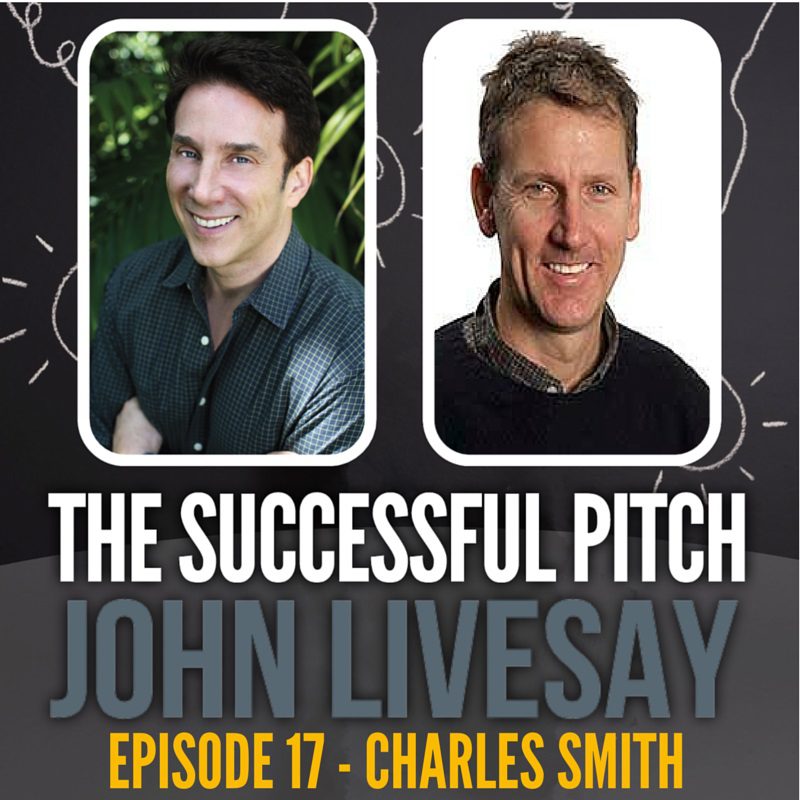
Listen To The Podcast Here
Episode Summary
Charles Smith is an New York-based angel investor and was named top 25 investors in the NY area to know. He has been an active investor since the mid-1990s and has a wealth of knowledge to share on today’s show. He talks on why he believes Style Lend is changing the world for the better, why he loves the startup company Boxed, and why you should network with entrepreneurs who have already pitched the angel investor you’re interested in.
Key Takeaways
- 01:50 – What is Social Starts?
- 06:20 – Technological skill is what enables you to beat the competition.
- 09:20 – Charles talks about Style Lend and how they are changing the world.
- 13:40 – Charles loves the startup company Boxed.
- 17:50 – Why did Charles want to be an investor?
- 20:05 – Network with entrepreneurs who have already pitched the same investor you’re interested in.
- 23:10 – There are no new ideas, so why are you the person to do this?
- 26:30 – Charles believes merchandising will charge dramatically in the upcoming years.
- 28:30 – Entrepreneurs should start reading Neal Stephenson’s books.
- 30:25 – Don’t dread the pitching process, see it as a way to learn from smart people who have been there before.
Tweetables
[Tweet “The internet has enabled trust over distance at scale for the first time in human history.”]
[Tweet “The coach of the Eagles says, ‘Culture beats scheme.”]
[Tweet “You don’t have to be as big as Google, obviously, to treat people well.”]
[Tweet “How do you handle “trough of sorrow?””]
Links Mentioned
Charles Smith Twitter
Social Starts
Want the Transcription?
Share The Show
Did you enjoy the show? I’d love it if you subscribed today and left us a 5-star review!
- Click this link
- Click on the ‘Subscribe’ button below the artwork
- Go to the ‘Ratings and Reviews’ section
- Click on ‘Write a Review’