

John is Guest on Job Search Radio
Posted by John Livesay in blog | 0 comments
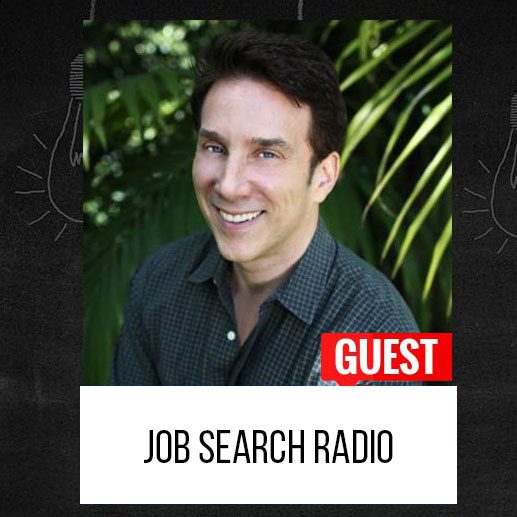
[vc_row row_type=”row” use_row_as_full_screen_section=”no” type=”full_width” angled_section=”no” text_align=”left” background_image_as_pattern=”without_pattern”][vc_column][vc_column_text]John Livesay is guest on Job Search Radio hosted by Jeff Altman
Job Search Radio – Pitching and Other Stories
Pitching isn’t just in baseball; it occurs in a lot of places in our lives, including job hunting. My guest, John Livesay, and I discuss how to pitch effectively throughout your job search… Without throwing a curveball or screwball at people. We then go into a second topic I think you’ll find interesting as John shares a story about how he was rehired by a former employer.[/vc_column_text][vc_empty_space][vc_column_text]Listen Now![/vc_column_text][/vc_column][/vc_row]
TSP051 | Karla Nelson – Transcription
Posted by John Livesay in Uncategorized | 0 comments
John:
Welcome to the Successful Pitch Podcast. Today’s guest is Karla Nelson who says that the death of entrepreneurship is solitude. How do you avoid that? Well, it’s all about people and connecting, and Karla has great tips on how to do it. She said when you connect with empathy, people see you as somebody that they can relate to, and that’s what really drives them. Remember that investors are looking for who you are as a person and how you think. People buy with emotion and then back it up with logic.
Karla has a great company called Latch.com that takes networking to a whole new level for the real estate business by being transparent about what people think, much like Uber’s transparent on whether you had a good experience with the driver and the drivers get to say whether you’re a good passenger or not. Enjoy the episode with Karla as she takes us on this journey of what to do next to be successful.
Are you a founder struggling with your investor pitch? Do you need warm introductions to the right investors to get your startup funded? Do you need a funding roadmap to get you there fast? All of this and more can be found in Crack The Funding Code. Judy Robinett, bestselling author of How To Be a Power Connector, and on the board of Illuminate Ventures, and I, invite you to our free Crack The Funding Code Webinar. Simply go to Judy Robinett J-U-D-Y R-O-B-I-N-E-T-T.com and click on the webinar tab to see how to tap into our network of investors around the world. There’s a link in the show notes as well. You’re only one click away from getting funded fast.
Hi and welcome to the Successful Pitch. Today’s guest is Karla Nelson, who lives in Sacramento where it’s been named the worst place to own or launch a business in the nation. She’s going to talk to us about how a local group of committed entrepreneurs have decided to succeed anyway. In the past year and a half they’ve helped up local startups raise more than $3 million in funding, and just under 4 million in training funding, and they make all kinds of introductions.
Karla Nelson is an entrepreneur, an investor, a trainer, and founder of Sac-CESS. Get it, Sacramento, Sac-CESS, the organization with no members, no dues, and on paper it doesn’t even exist. Sac-CESS has been moving the needle in Sacramento through creating a culture of connection. Karla says, “You solve problems with people.” Let’s get her on the show. Karla, welcome.
Karla:
Hello. Thanks for having me, John. Great to be here today.
John:
You’ve got so much energy and making such an impact in so many people in and outside of Sacramento. I want to do a deep dive into what you’re doing as the co-founder of Latch.com. Before we get in to all that good stuff, I love to just have you take us back to what made you become you? How did you get interested in being an entrepreneur? Was it something you did high school, college, or even earlier?
Karla:
It’s kind of funny ask that, John. I was asked that question by a dear friend of mine, just a couple weeks ago. I had to sit and think and remember. What was it that first entrepreneurial thing that I did? Actually, when I was in school, I would buy certain products in wholesale and I would take them to school and sell them. It didn’t matter if it were pencils or it didn’t matter if it was some type of … What were those? Remember those Silly Putty?
John:
Yes.
Karla:
I would go and purchase them, and I redistribute it and sell them at a profit when I was young. That was my first kind of entrepreneurial thing that I did. However, also I had a really big influence with my bonus dad, which I actually call my step dad my bonus dad because he’s a bonus.
John:
That’s nice.
Karla:
He created the first ever digital wireless remote for guitars. He was an engineer and just very entrepreneurial and love to fix things, and think of ideas, and things that could be creative. I just, naturally after first graduating high school and then going to college, I answered phones for a local title company. I would sit there all day long going, “I know I’m not going to do it. What am I going to?” I would just think of what kind of business do I want to run. I just naturally then”Gosh, these are big checks that I’m depositing. What if I went and got the license to be able to cash these big checks?” and so it moved in that direction.
How technology has changed, everything pulls you into the technology realm because everything is technology, which then led me to go through several different iteration where my background was finance, raising money. It really started with bank finance, but then after the crash in 2008, our firm, which was a multi-services firm, rooted in financial management. It seemed like everyone needed so many things at that time, so it didn’t matter if it was … Everything around, getting money into your business, you could see that even if it was the marketing plan, or if it was you didn’t have a good enough brand, or design, the strategic planning. We morphed into a consulting firm. We work with so many different arrays of business. Again, that brought me to the technical aspect of it. Being so close to the Silicon Valley, everything seem to be turning to tech. That then led to the co-founding of Latch.com.
John:
Wow. What a great story. One of the things on your website, KarlaNelson.com says “The significance of next”, what a great tagline. Can you talk just a little bit about what that means and how you came up with it? I’m always working with clients on the importance of culture in branding and a tagline that people are going to remember.
Karla:
You bet. It’s interesting, having just an amazing branding and design firm actually helped with that. One of the things that they look at is what uniquely makes you you. One of the things that I do very well that I didn’t even realized, by the way, this kind of a neat thing of having somebody support you with your branding and identifying that unique thing, was laying out just the very next thing that needed to be done and not being overwhelmed by the end result, but sequentially prioritizing and picking out the very next thing. Then also, the other thing that’s really important to me is everything around us is going to go away one day. It’s going to end up in a garbage heap.
Actually, the significance of leaving a legacy far beyond your time here, they converge with not the only sequentially, what needs to happen and prioritizing, There’s a great quote that, I can’t recall. I think it was Martin Luther King Jr., that said, “You don’t have to see the whole staircase, just take the next step.”
John:
Yep. One step at a time.
Karla:
For entrepreneurs, I think a lot of times we get overwhelmed because we think we have to have all the answers, and it’s a long road. If we weren’t optimistic, I don’t think a lot will get done. Just by being able to choose the very next step, you don’t get overwhelmed with the monstrosity sometimes of actually taking a thought to a thing.
John:
I love that. Well, were going to tweet that out. If you want to be successful, ask yourself, “What do I need to do next?” It keeps you from being overwhelmed. Right?
Karla:
Absolutely.
John:
Well us about Latch.com.
Karla:
Sure. Latch.com started out when my chief financial officer at the time would watch me connect people. He would always say, “Gosh. She’s a super connector, a power connector.” and thought it would be a great idea to create a technology that allows people to connect and do business together. I’ve always run every business by referrals, simply because I just love people to begin with. Anything you’re going to accomplish, you solve problems with people. We were sitting in a Starbucks, we’re sitting around thinking of few ideas, and my CFO actually ended up becoming my husband later on down the road.
John:
Great.
Karla:
He would just watch over and over, because you could, technology-wise, create a platform for that, and it is an introduction and connection platform. That is what Latch.com is. The way that I actually co-founded it, he and I came up with the original thought, but 3 1/2 years ago he actually passed away. He was running with the idea, but when passed away, it became my passion was to turn that platform into a tech company, so I went out and found a few individuals. One rooted in domain experience as real estate, because 80% of all real estate transaction happened your referrals.
The old way is we email and we text. Actually, we still do that to this day, we email and we text. You’re connecting people, but it’s very difficult even if you’re using a LinkedIn to see the very nature of how you got to know that person. Instead of, for instance, an endorsement, having that really means something. When technology first came out, it was about, “I got to get everybody to like me. I got to get everyone to follow me.” The truth of the matter is, John, you only need 50 really good people. A hundred, and you’re just going to knock it out of the park. It really is more about the quality of the relationship versus just a huge quantity, especially in the entrepreneurial world.
Kauffman Foundation did a study in conjunction with a million a million cups which is a cool little thing that’s happening in I think about 15 different cities around the nation. They looked and overlay entrepreneurs twitter feed, because that’s where you can see who is following you. Almost 80% of entrepreneurs didn’t follow the stars and the people you fancy. They follow other entrepreneurs. Having that meaningful connection between the technology, and it’s kind of interesting, because Sac-CESS actually came out of watching Latch and seeing the overlay of “Oh my goodness. How powerful, you can move the needle for a business, finding the right person.”
It doesn’t matter if you’re raising capital, if you are … Look what you do, John, building a new … 75% of raising money is the panache. What do you do? You go in and help and actually put that story together, because people purchase with emotions and back it up with logic.
John:
I say that all the time. You say that as well.
Karla:
Yeah. There’s a lot of coaching involved in actually doing that, and what your strength is and how you find other people to cover your weaknesses and you can play to your strength. Again, you solve problems with people. It’s all about finding the right person in any given situation to achieve whatever it is that you want to achieve.
John:
Well, what I find so touching and moving about your stories about Latch.com is you talked earlier about the importance of focusing on what’s next and leaving some kind of legacy behind, and then your recently deceased husband started Latch with you, and know you’re keeping his legacy alive through this product your continuing to keep alive.
Karla:
Yeah. I wasn’t really as passionate about technology, but after that, that was a pivotal point in my life where I look back and I said, “It’s all about what we do for others that …” I only say, “His legacy of love lives far beyond the time he spent here.” Really, everything begins and ends with relationships.
John:
Yes.
Karla:
It is the crust around at switch everything that we do. Even if you look at entrepreneurship, we solve problems. Why? For people, to make our lives easier. Relationships are, I believe, just the foundation of everything that we do. Latch.com obviously is deep rooted in meaningful relationships, especially business owners and entrepreneurs. If I am committed to leading with a give to help somebody and I am investing in that relationship, it’s the most influential thing you can do on top of it. There’s an added bonus of actually living life that way, which is if I invest into you, John, you’re going to … Actually, the number one most influential thing is reciprocating the fact that I just gave you something, regardless. Our time is our most precious commodity, but it’s also the most influential thing you can do to build relationship.
John:
Nice. Well, one of the things you’re doing is helping Sacramento. Imagine if the importance of me being successful as an entrepreneur and getting funded and pitching is living in the right place and knowing the right people, and you’re so close to Silicon Valley, and yet in a way so far from that might be perceived as the best place to do business in the world. How did Sacramento get that reputation of being the worst place? How did you decide you’re going to fix that?
Karla:
It’s interesting because that’s often brought up. Sacramento is like the red-headed step child of the best place. I don’t know nation. I think there’s probably a few. We looked at … The Kauffman Foundation, again, did a study and they were asking. There were 11 very specific things that were important to business centers. Then they rated each of the local cities. What was unique about this study is normally they do, but they actually went into where is Silicon Valley gets the top rated A or A+ on a scale, where Sacramento was S directly for the specific 11 things that across about 12,000 business, they said, “Hey, this is really important to us.”
One of the things everyone is talking about consistently about the Silicon Valley, and the reason wanting to go there, is because of the network. You have a natural ecosystem of people, very passionate about entrepreneurship. It’s a culture. Morris Kaufman taught. You immerse yourself in it and you literally become a product of the product of the ecosystem that is there-
John:
It’s so funny you brought it up because-
Karla:
In Sacramento. Go ahead.
John:
When I landed in San Jose in a couple of weeks ago, and I was at the airport, there’s a sign that says “Entering Silicon Valley.” I thought to myself, “Holy cow. “In the airport?” It’s like going to Nashville. You go to Nashville and you get in that airport, and you know you’re in that culture. There’s Dolly Bargains guitar or whatever. It was so fascinating that the ecosystem is defined the minute you get off the plane. It’s that ingrained. There’s plenty of people that go to Sacramento that aren’t particularly going there for that, but yet, man, it’s like going to Detroit back in the day. That was car country. Right? It’s so specific.
Karla:
Absolutely. It really is energy. It’s funny that I often go to the Silicon Valley. I have many different connections and relationships because we are so close. Often, I’ll tell my team back in Sacramento, “Okay. Guys, just don’t call me today because I want to immerse myself and enjoy the energy that really truly comes from the ecosystem and the relationship in it.” What I think is unique, John, right now, moving forward, is the fact that technology is enabling us not to necessarily have to be in the same region. It helps, but before it was like well … Even VCs, they would require you to be in the local area. Why? So they could pop into your office.
However, with technology these days, and our I hope is being able to not have to be in the same geographic location, but the culture could actually rise above just the … Nothing’s ever going to do away with the face-to-face, but you can, you can connect face to face, and then connect you live in technology. It will be interesting to see how that the number one reason, they say, that Silicon Valley has done … What they’ve done is, number one, they brought money to the region to be able to find the businesses. Without money, you can’t scale. It’s impossible.
The second thing is having everybody in that, the general region. It’s been what? About 25 years since they originally said, “Okay. Silicon Valley, this is where we’re going to put our stake in the ground.” It will, again, be so interesting to see if technology can shift that, where you don’t necessarily always have to be in that area. Sacramento is actually the 14th coolest place to live. Everyone loves to live here. It’s fascinating. When we started doing the research about what business wanted, this literally was the strategy. We’d ask them, “What do you need?”
John:
What was it, besides money, or good tax laws, or something?
Karla:
Yeah. Everyone has a different need, and we just go find it for them. What was so crazy was we realized how broken, and that there was just no ecosystem. It didn’t matter what you were looking for. You could be looking for, like I said, John, a good CPA. You could be looking for a good PR person. You could be looking for a bookkeeper. It didn’t matter what that businesses were looking for. What I realized is that my personal network was so vast that I was able to tap into my network and then be able to help them support these businesses. What can we do if we have to have this technology overlay about where they could go< “Wow. Here’s your top 150 people.” and “Wow. I trust you, Karla and your CPA there.” You just not only endorsed, but there was what we call a bifurcation, like the uberfication.
Uber completely changed the way you get picked up and you get delivered. Why? Because there is a closed loop between me saying that they did a great job in me being reviewed as a user. There’s really this transparency that’s starting to happen with in regards to the relationship and the ability to trust. Again, that’s one of the ways that we surprise ourselves with everything that we actually already have here in Sacramento, but we just didn’t have the ecosystem.
John:
Isn’t it what you’re doing in Latch.com for real estate world? You’re really get … The transparency is much bigger than it ever was, much like it is on Uber. The driver reviews you as the passenger, and you review the driver, and everybody gets to see what everybody … They want to do business together.
Karla:
Yeah. You’re right, John. That’s why they converge. It was really interesting. It was almost like as soon as we launched the tech platform that you start seeing it, and they converge together. It is very similar. It will be applicable to more vertical than just for real estate vertical. It just happens to be that, that is a perfect match and they already … When 80% of the business is driven that way … The first thing that a real estate professional has to do is create an ecosystem to be able to close the transaction, not even because they want to. Simply they will never cash the check until they get to that point.
Because if I don’t call the landscaper to fix the landscaping or spray paint it green like with the drought, if I don’t call the painter to fix this, if I don’t have the titled person, the whole list of that it’s just a natural … It’s one of the biggest challenges they have is being able to have a great ecosystem, so that they can really get paid cash or checks. You’ll never get a commission check about it.
John:
Well, the same is true for the ecosystem in Sacramento or Silicon Valley. If you can provide transparency of one to start up gets funded, the amount of services that they need from lawyers, and banks, and insurance and payroll, and on, and on, and on, to grow and scale, they need to be using what other people have used and liked. so that they don’t spend their time spinning their wheels, or worse, they want a referral for all that. Right?
Karla:
Absolutely. You just hit the nail on the head there, John, of why we’ve seen all the accelerators and incubators, which really that idea came out of the Silicon Valley. It was the fact that, “My goodness. You need all of these things. Let’s not wait and build a relationship when you’re a mid-market company. Let’s take your idea and sprout it, and then give you all of this, the connection points of everything that you need. Let’s help you not make those mistakes. Why? Because we have the right people supporting you.” Again, it always starts with that.
One of the thing that we’re working in conjunction with a dear friend, his name is Ernesto Sirolli … He does economic development worldwide. You could check out his TED talk actually, if you want to help them and shut up and listen.
John:
Yes.
Karla:
It’s very entertaining, wonderful TED talk. The way that we get into that meeting is somebody says, “You’ve got to meet this person. He does what you’re talking about and he does it all around the world,” and literally goes into a community, finds out the passion of the local people, and says “What are you passionate about?” and then just gives them the infrastructure and the ecosystem to be able to do what it is they love. These businesses, the majority of them are still … 80% of the nearly are still going 10+ years later, and it’s an all different types of community, to the point where … Sometimes they’re instructing them. They’re writing with a stick in the sand, and it might be refugees that can’t even speak the local language. It’s fascinating, these things that these entrepreneurs are doing, simply by giving them the ecosystem.
All they’re doing is bringing in everything that they need to do what it is that they love. It’s very similar. Here in Sacramento, we’ve pretty much done the same thing, but we ask, “Okay. What do you need?” and then we go find it. In doing that, you end up building this natural ecosystem just by solving the problems of the local individual. Now, you’ve got an ecosystem that the entrepreneurial. In the past, a lot of the … That’s why we have the non-organization. It literally is a culture, because there’s no membership, there’s no dues. Then you ask an entrepreneur, “How can I help you?” after you hear their heads hit the table. They’re like, “What? You’re here to help me? What is that? I’ve never had somebody asked me just how can I help you.”
After you get past that point, what happens is people support what they build. Now you brought another entrepreneur and another one. Inventors are okay. Down the road, you need all that help and support. Initially, what the entrepreneur need is an ecosystem. They need somebody that can potentially … They might need some legal help that we have to figure how to get them without charging them. They’ll probably need some tax service early on, and they’re on a shoestring budget. In building that out, what we’ve identified is 4 or 5 really local amazing potential tech companies that can sell as well as some other service-based company that we don’t even know exist. The death of an entrepreneurial or entrepreneur is solitude.
John:
I like that. We’re going to tweet that out, “The death of an entrepreneur is solitude.” That’s dramatic and wonderful.
Karla:
That’s one of the things my buddy Ernesto has really taught me. It’s so true and the fact that if you don’t have an ecosystem, then that’s what happens. Actually, I listen to one of your gentleman you interviewed last year in New York. We have just a fantastic conversation. The way that he has brought and created an ecosystem, in an area that didn’t, was to get to the young kids that had an idea in high school and/or college and say, “Hey, come here.” As soon as they have the network, that’s what made them stick and not go somewhere else. That’s what’s fascinating. It’s the same thing-
John:
You can create that in Sacramento. Right? That’s the whole… It’s soulful circle by me connecting you to who’s done what you’re doing in Sacramento in Syracuse, which was equally challenged. He’s keeping talent in the town if they feel they have a support group, and you learn from him, and I was able to connect the 2 of you. What a great analogy. That’s the joy of hosting this podcast, just connecting the podcast guests and keeping everybody together in a private Facebook group, so that, that ecosystem of the podcast guest continue to grow and help each other. It’s just on, and on, and on. The other thing that you said that I love is all about the passion, why are you doing this, the legacy of your deceased husband for Latch, and why are you so passionate about this product.
That’s what investors need. They need to see your passion. Once you show that, then everything else can fall into place about your story, and your business model, and all that good stuff. If you don’t have the passion to overcome all these obstacles, you won’t make it. You are creating such a great ecosystem where people don’t feel alone. It’s really the Joseph Campbell of Hero’s Journey in my mind.
Karla:
Absolutely. I love that by the way. It’s very true.is the number 1 thing. I have seen entrepreneurs pitch and it is long and they’re saying too much. Guess what? They raised money. You know why? Because they feel passionate with that person making that comes to life. There’s nothing that you can’t do with passion. That’s why… How many businesses say, “Gosh. We have to clean the slate.” How many times … I guess I just have to do this. I have to bring my products to market. I have to … There was something inside of me that I just could not do.” When an investor is handing you a check, they’re betting on their horse. That’s what they’re doing. You’re in the race, and they’re betting on their horse.
John:
They’re betting on you as the jockey, to make sure that that horse is the one that wins. If you have to change horses, that’s okay, but we’re betting on the jockey to get it across.
Karla:
Exactly. That’s why the CEO and the team are almost always the first thing. It’s not the idea, there’s just plenty of ideas. People don’t fund ideas. They fund people passion and team and it still, again, comes down to relationships. It’s really the crust of everything, learning how to-
John:
Just to tie together … Go ahead.
Karla:
No, go ahead.
John:
I’ll just say just to tie together what you said in a nice little bow. Its relationships, so don’t go and pitch for money about how cool your product is or how it works or even what problem is solved without connecting the dots back to what problem does it solve for a specific person. We’re investing in you and your passion, but you got to be passionate about who that it helps, not how it all works. That’s really where I see you’re incredibly valuable is to keep bringing it back to, “Yes. We invest in people, but we invest in people who want to help people, not just people have a cool idea.”
Karla:
Absolutely. That’s what captures us, because when you’re hearing it, truly what I believe is going on, and somebody that knows more about psychology than myself, the answer is that we’re seeing ourselves and we’re hearing ourselves. One of the reasons why VCs love to be VCs is because they were not. They built something, they sold it, and they wanted to help other people do the same thing. They’re seeing themselves. Even when you walk somebody, regardless if it’s a movie, and they’re leaving something out, when it’s closest to us, that’s when it pulls on your heartstrings. It’s no different for a business as it is applied in other ways. People are people are people. When they feel connected to something, that’s when you’re going to win over with their heart. There’s nothing better than that.
John:
One of my favorites example of that is a client I’m working with. Mahdad, who has company called Bubble Ball, and the timeline is “We deliver joy.” Talk about pulling on your heartstrings. It’s that new sport where you’re inside this plastic bubble rolling around and knocking into people. It’s fun and-
Karla:
Oh my gosh. I saw that.
John:
Yeah. The tagline is “We delivery joy.” not “We delivered plastic balls for you to run around in.” It’s of the outcome, it’s the feeling, the connection emotional connection that people are going to invest in. BuzzFeed call it the sport of the future. I’m like, “There you go. That’s your tagline. That’s what people want to invest in. What’s the new fun thing?” Play that out, but not how it works, and that’s where you get people to remember it.
Karla:
Exactly. You’ll get to the how. At the end of the day … One of my favorite VC friends always says, “There’s sales, anything there’s else.” If you are in there to sell them at the end of the day, it’s not to say, “This is my 15 point plan.” You’ll get to that. I call it due diligence.
John:
Yes.
Karla:
The initial thing is to sell it yourself to be able to say “Yes, I can sell you on me, and it’s not just the idea, but really being able to connect.” Connecting with whoever it is, regardless if it’s a VC, private equity, whoever, all the way to your actual end user, the function of that is exactly the same. It’s just different words, but you could really bring it down to one word, that’s connection.
John:
Connection through empathy, that’s my motto. I love it. It’s been so-
Karla:
Really? I didn’t even know that, John.
John:
Yes.
Karla:
That’s great. I love that. I’m going to have to tweet that.
John:
We’ll tweet that for you from this episode, but feel free to run with it now if you want. What book do you recommend founders to read, either about life or business?
Karla:
Wow. Okay. One of the best books that really I think change the way I look at things was The 4-Hour Work Week by Tim Ferriss. The reason being was he took the time to study something, and then he, “These are the rules. How can I be outside of those rules?” I would love the fact… I just love the fact of the … There’s a study in there that he did with his class, and said, “Here, I’m going to give you an assignment to go do” simply because people never did it, but as soon as they actually did the action, they were amazed at the results that they had, by just doing the action. Don’t talk yourself out of something before you’ve ever even started, because you think it’s too big or daunting of a…
John:
Then talk about brand extensions from that, The 4-Hour Body, The 4-Hour This. It’s also great. Once you have a good idea, the variations are endless.
Karla:
Absolutely. I love that book. One of my dear friends, Judy Robinett, How To Be a Power Connector is… Judy, actually, when she sent me the manuscript and I read through it, I read it and I went, “Oh my goodness. I am so unconsciously competent at connecting people.” It’s a value piece of just naturally how I was born. Judy was not. She grow up of nowhere, literally . That was her hometown, and she was shy.
When I read her manuscript, I thought, “Oh my goodness. We can change people how to do this. This is a checklist.” The first aha I had was in the beginning of the book she talked about, “When you walked into a, room have these objectives.” I just thought, “Well, I never really had to think of how do those objectives.” 75% of people say that they believe that they’re shy, so they might need that coaching. Her book ,it’s just fantastic. I told her it was going to be a bestseller.
John:
It is.
Karla:
I think it was the number 1 Best Business Book in 2014 by Forbes, and Time, and, and all those guys.
John:
Yes. Exactly. How can people follow you, Karla. If you want to engage. Obviously you do a lot of great speaking, you both have the technical and inspiration combined. How do people follow your blogs? Give us your tweet, let’s start with that. How do we follow you on Twitter?
Karla:
You bet. My Twitter is Karla, K-A-R-L-A, Nelson N-E-L-S-O-N. You could definitely give me a shout out on Twitter, and then my website KarlaNelson.com. It’s interesting, because although I do a ton of speaking engagement, I’m constantly in the community. Rally, my mediums are … I really like to connect directly with the people, and so I try to ensure that whoever reaches out, there’s a relationship there. Having great close relationship, you really only need more. .Actually, Judy’s book weight that out. That’s why she calls to with 150-
John:
Yeah. 5, 50, 100.
Karla:
Something like that. I can’t remember what it is.
John:
5, 50, 100.
Karla:
There you go yeah 5, 50 … It’s so true. We over emphasize the quantity of relationships we need. You are one person away of massively changing your life forever. Don’t underestimate the person that is right around the corner. For instance, an owner of a restaurant here recently made the most insane connections that I could never had in the music and tech industry. Most of the time, he is serving other people. I love the direct connection to a great fantastic people. You never underestimate who is standing next to you.
Be prepared because when … What’s the quote, “What favors the prepared?” Be prepared at yourself as an individual, so that when you need that, it’s not probably going to be the CEO of a huge company. It’s going to be when you least expect it, so always treat everybody as they’re the person that can do something for you, even if they can do nothing for you. If you haven’t learned a quality, when your opportunity comes, you’ll probably miss it.
John:
That’s great advice. What a great episode. Thank you so much, Karla. I love this whole concept that we’re only one person away from getting our life completely changed. I’m so thrilled to get to know you, and have you on the show, and that all your inspiration is going to help these entrepreneurs not die of solitude, that’s for sure. Thanks again for being with us.
Karla:
You bet, John. It was a great.
John:
Thanks for listening to the Successful Pitch Podcast. If you like the show, please go to iTunes and write a review, and encourage your friends to write reviews too. It really helps get the word out. People say that the longest distance is between someone’s mouth and their wallet. People can tell you they’re going to invest, but when it comes time to write the check, they don’t do it. How do you get people to say yes and then follow through?
Visualize yourself on the left side of a river bank, and you have to cross the river. On the other side of the river is where the funding happens. First, you make up your idea, then you make it real, and then you make it reoccur. Once you start dipping your toe into the water to get to funding, that’s where I can help. I get you cross that river faster than you would on your own. With a lot less frustration than you will get when you hear a bunch of nos and you don’t know why. If you want some help getting funded faster with less frustration go to my free funding webinar, SellingSecretsForFunding.com/webinar. Sign up and get in-depth information on how you can get funded fast. Thanks.
TSP050 | Julia Pimsleur – Transcription
Posted by John Livesay in Uncategorized | 0 comments
John Livesay:
Welcome to The Successful Pitch podcast. Today’s guest is Julia Pimsleur who is the founder of Little Pim, which is an early language teaching program. She raised over 5 million dollars between angels and VCs. She is also the author of “Million Dollar Women” with a goal of helping a million women break one million in revenue by 2020. She’s just the person to do it.
She says, “When you show an investor that you have cash, it’s the cash is the gas in the tank, and that’s what they love to see.” She talks about the importance of knowing the fundraising rules and thinking of it as a fundraising dance so that you can learn the steps and be prepared. She said, “When you pitch to someone, have a story that’s memorable.” Her really big tip is, “Practice your pitch to an investor that is not investing in your area, and let them give you feedback as to what they heard.” Enjoy the episode.
Are you a founder struggling with your investor pitch? Do you need warm introductions to the right investors to get your start-up funded? Do you need a funding road map to get you there fast? All of this and more can be found in Crack the Funding Code. Judy Robinett, best selling author of “How to be a Power Connector” and on the board of Illuminate Ventures, and I, invite you to our free Crack the Funding Code webinar. Simply go to JudyRobinett.com; J-U-D-Y R-O-B-I-N-E-T-T dot com and click on the webinar tab to see how to tap into our network of investors around the world. There’s a link in the show notes as well. You are only one click away from getting funded fast.
Hi and welcome to The Successful Pitch podcast. Today’s guest is Julia Pimsleur who is the founder of Little Pim, the author of “Million Dollar Women” and she has raised over 5 million dollars between VCs and angels. She has a goal that I absolutely adore, which is to help one million women break one million dollars by 2020, and she’s just the woman to do it. Julia, welcome to the show.
Julia Pimsleur:
I’m so excited to be here, and to talk about raising money. That’s one of my favorite topics!
John Livesay:
Yeah? Well-
Julia Pimsleur:
I’m one of these weird people who likes to raise money.
John Livesay:
Well let’s dig into that, but before we do, I want to always go back and find out your passion. How did you become passionate? Let’s talk about what Little Pim does, and how that relates to your father, because it’s such an interesting journey for people to find. How does someone become so successful and raise money? What is the motivation behind it? How did you get this passion? Did it come from your father? Tell us where you got all that great stuff.
Julia Pimsleur:
Yeah, I never thought I would be a business person, actually. I was a creative person. I went to school for film making, and I was a documentary filmmaker for many years. I grew up bilingual in French and English, and that’s something that just opened so many doors for me throughout my life. I felt like it was just the best gift that my parents ever gave me. When my own son was born about 11 years ago, I went out looking for a great language teaching program to help him learn a second language at the age kids learn best, which is 0 to 6. I couldn’t believe there was nothing on the market for very little kids. All the studies show, that’s the best time for them to learn.
Drawing on my film making background, and also being the daughter of Dr. Paul Pimsleur, who invented a language teaching method for adults. I decided to create the first ever language teaching method for very young children, Little Pim.
John Livesay:
You know what I love about that already is it’s a personal problem you’re solving that has multiple implications. You know for yourself that it changed your life being bilingual.
Julia Pimsleur:
It’s so true that being bilingual is an incredible benefit and I reap rewards from that in so many areas from scholarships to being able to live and work abroad. For me, helping parents be their kids’ first language tutor is also really about democratizing foreign language learning.
John Livesay:
Amazing.
Julia Pimsleur:
If you look out over the landscape, the one percent have always figured out a way to have their kids learn Spanish, or Mandarin, or French, or Italian. In the public school system, kids start as late as 5th grade or middle school, learning a language. Then, most of us really never learn, right? That’s what I hear from a lot of parents. They never really mastered a second language. It’s because they’re starting too late.
John Livesay:
Well, one of the things in your book, “Million Dollar Women,” that I really resonated with was you talk about the need for grit, and how to get off the entrepreneur hamster wheel; and, the 8 words that changed your whole life. Could you talk about that a little bit?
Julia Pimsleur:
Sure. I was just working so hard and just running, running, running my business in the first few years which I think is typical when you’re getting your business off the ground. I didn’t stop to look up and think about what the business could be if I had twice as much funding, if I had different partners, if I really embraced the idea of going big. Once I finally did that, I call that getting off the entrepreneur’s hamster wheel, right? It’s like, stop running so fast and take a minute to think about where you’re trying to go.
Then I realized I really needed capital in order to go to the next level. That’s what started the journey of raising venture capital, which ultimately lead me to writing Million Dollar Women.
John Livesay:
We’re going to tweet that. “Get off the entrepreneur hamster wheel.” That’s so great, I love that imagery.
Julia Pimsleur:
a quote … One of the daddies of start-up culture, which is Michael Gerber and “The E-Myth,’ who says “You need to work on the business, not in the business.” Michael Gerber says, “You need to work on the business, not in the business.” For so many of us, that means taking a step back and figuring out what does this company look like at scale? How am I going to get there?
John Livesay:
Tell us of that great story of how prepared you were. That’s what I love, because I’m constantly working with my clients on, “If you want to be confident and come across as someone that people want to invest in, you have to be prepared when the opportunity comes.” Would you take us back to that story of when you were at a party and you were chatting with a friend of your father’s, I believe?
Julia Pimsleur:
I spent about 9 months getting ready to raise venture capital, watching videos on YouTube, episodes of Shark Tank, talking to any CEO who had raised venture capital who would share their experiences with me. All that time was time away from my business, time away from my 2 little boys, and my family. I just felt, “Gosh, this should be easier. Why is it so hard to figure out how to raise capital?” When I finally raised my 2.1 million dollars and it was really the hardest thing I ever did, I have to say that maybe next to childbirth. So, “I’ve got to make this easier for other women. This is just not okay.”
I created a little fundraising boot camp that I’ve been running for the last 3 years in New York where I would help 10 women at a time learn how to raise angel and venture capital. Their stories really inspired me to write “Million Dollar Women” and help thousands and eventually a million women, learn how to raise capital and take their businesses big.
John Livesay:
I love it. Fundraising boot camp, because you really do have to be prepared as if you’re going to battle. One of the terms in the military, which I think is always so interesting is, you don’t rise to the occasion, you fall back on your training, right? You can’t just think, “Oh, I’ll just wing it when I pitch.” You have to be trained, correct?
Julia Pimsleur:
That’s so true, and you also have to be really ready to just find a way no matter what. I remember I was out pitching and I would spend half my day, every day, going to the offices of these VCs and showing my PowerPoint and telling my story over and over again. One day, I came back from a particularly demoralizing meeting where we got a big ‘no’ right away. I walked into my office, and I saw my head of sales and my head of marketing hunkered down, planning our holiday marketing campaign.
I just thought, “you know what? I have to raise this money. They can’t do it, I have to do it.” That day it became a ‘when’ and not an ‘if.’ I think that might have made all the difference, that I really fully committed and said “I don’t care if I have to meet another 50 people, I’m going to find this money and they deserve it, and we deserve it. I’m just going it make it happen.”
John Livesay:
I love that, so much. We’re going to tweet that out. “You’re fully committed when in your mindset, it’s ‘when’ I get funded, not ‘if’ I get funded.”
Julia Pimsleur:
That’s right, even though it may take months. Fundraising is brutal, it really is. As women, we face additional challenges because we often don’t have the kind of networks that some of our male counterparts do where we can just pick up the phone and have an easy entree to someone in a VC firm. We have additional obstacles as women not having the same kind of networks that men do. Also, frankly, facing discrimination here and there.
John Livesay:
Yes, yeah.
Julia Pimsleur:
I wanted to help women make it much easier for them to go raise money, much easier than it was for me.
John Livesay:
Are there any tips from your-
Julia Pimsleur:
Sorry, because I’m really not an essentially in the sense that I don’t think that women or men should be treated any differently by VCs.
John Livesay:
Yeah, sure.
Julia Pimsleur:
-But I do think that because women are newer to the fundraising game that we have a lot of catching up to do. The book is to help women catch up more quickly. I think the biggest thing in the way for women raising money is just not knowing the fundraising dance.
John Livesay:
Yes.
Julia Pimsleur:
been a professional fundraiser in the non-profit world for several years before I went out raising money for Little Pim. Even for me, it was totally intimidating, a whole new set of vocabulary to learn, and I want to help women master that much more quickly so that they can get that 4% number up to the double digits, quickly.
John Livesay:
Right. Well, I love the fact that you call it a fundraising dance. Just calling it a dance somehow takes the edge off of it, just a little bit. If we think of it as a dance, and the conversation, and the negotiation, and all that due diligence, and all that good stuff is a dance, and much like preparing for a dance, you’re probably want to rehearse the steps before you go out on the dance floor, right? If you’re going to keep that analogy going a little bit.
Julia Pimsleur:
Absolutely, and the truth is that one of the ways that raising money is like a dance is that you have to do the dance that is already happening on the dance floor. You can’t go to salsa and start doing tango, right? I think the best thing for women to realize is that venture capital has been functioning a certain way for many, many years. While we think that landscape could change as more women become VCs and become investors, for now, we have to dance the dance that’s already being danced. That’s something that’s not as hard as you think, but it does need to be explained and practice. Then, women can be just as successful as men in pitching.
John Livesay:
One of the things in your book, “Million Dollar Women” that I really loved, was how prepared you were when the opportunity presented itself for you to whip out financials to show somebody who had indicated some interest. Then, you heard those magic 8 words. Would you tell us about that?
Julia Pimsleur:
Yes. The magic 8 words were, “I can help you find a million dollars.”
John Livesay:
Music to your ears. Continue the dance analogy.
Julia Pimsleur:
Absolutely. Any entrepreneur would love to hear. That was actually back in my angel capital fundraising days. I sat down with a friend of the family who had actually given me my first job in high school. He was pretty much the only person I knew in the banking world; speaking again to women and their networks. Even though I went to an ivy league college, and I have a lot of friends who are consultants, and lawyers. I didn’t actually know anyone in banking, or in the investment world. So I sat down with this friend of the family who had known I was growing Little Pim and had watched me working two jobs, and getting out our first videos, and setting everything up.
I said to him, “I think I’m ready to go full time, you know? We made close to $80,000 in our first year without anyone even working in the company. And, there’s such a high demand for language learning. Do you have any resources for me?” I thought he’d be telling me about a government grant, or something I could apply for.
John Livesay:
Right.
Julia Pimsleur:
Instead he said, “I can help you find a million dollars.” Thus my angel investing dance began. He and I went out and pitched … I pitched, but he made a lot of the introductions to raise the first million for my to fund Little Pim.
John Livesay:
That’s such a great story, and what I … The big takeaways for the listeners are 1) you talked about the traction you already have, and 2) how big the market was, all in one sentence. That’s really so succinct and compelling, that those are the key things people are looking for in addition to, of course, investing in you. If someone has known you since high school, they know you’re a go-getter, and tenacity is your key strength.
Julia Pimsleur:
That really helped, and I also think that hearing that we had already sold so many without even putting any marketing dollars in was critical. I always think of cash as sort of the gas that you’re putting in the tank of your car, right?
John Livesay:
Right, right.
Julia Pimsleur:
You can’t go very far very fast if you have not very much gas in the tank. So, for him to hear that we’d already made this traction without really anything in the tank, gave him the idea that if we filled it up, we could go pretty far, pretty fast, which we did.
John Livesay:
That’s excellent.
Julia Pimsleur:
We grew so much once we raised that capital, and then after the venture capital, re-doubled our sales again. That was exciting.
John Livesay:
Hitting those milestones. Well, that’s another great tweet. “Cash is the gas in the tank.” I love it. What do you … advice do you have for the listeners about pitching in specific, since you run a funding boot camp? Are there certain key elements that you work with, the women that are in your funding boot camp, on their pitch that you could share with us?
Julia Pimsleur:
Yes. Some of the key things about pitching are knowing how to credential yourself. This is an area where women sometimes don’t come off as powerfully as men, where I’ve had women who get up and pitch. They say, “I have this great idea, and I’m going to start this new bio-tech company.” 20 minutes later they mention at the end that they have a PhD, right?
It’s like, if you have a PhD in the science field and you’re running a science company, you should probably mention that right up front. So, for women to really own their domain expertise and be able to talk about why they are the right person to start this company and to take it to scale, is really important. Sometimes women are nervous that if they haven’t already grown a multi-million dollar company, that they’ll have trouble getting the credibility they need.
The truth is that investors are listening for much more than just what’s the last company you took public, right? If you’ve done that, great, but very few people have. They want to know when have you been in a situation in your professional life where you had to just give it everything and get through really tough challenges. That’s what being an entrepreneur is, and the investors know it. They want to hear that you have that total commitment. You’ve got the grit. Even if it’s something in your personal life. I met with a young woman the other day who’s starting a company to help people take care of loved ones who have illnesses, terminal illnesses. She grew up with a mom with MS, right? I can’t imagine what she went through taking care of her mother as a child. This woman has grit.
John Livesay:
Yes, that’s such a great story. I love it, and it really gives the element of, “This is what makes you memorable.” I bet that’s really one of the key things that I find consistently is if you put your shoes … put yourself in the shoes of an investor, you have a little empathy for them. They hear multiple pitches a day. What is it about you and your story that’s going to make you memorable, right? You clearly check-off all those boxes, I’m sure, that’s why you got your funding, but is there anything else that you can add to that?
Julia Pimsleur:
I think telling stories that the investors can remember is really critical. Whether it’s about a customer who loved your service, or it’s about some kind of amazing traction that you got.
John Livesay:
Yeah, yeah.
Julia Pimsleur:
Because you remember the investors are going to have to show this information with their team, and probably their probably inner circle whether it’s the LPs that they’re reporting to, their limited partnerships. Or, even their wives and families, right? Why are you interested in this company? I always tell people to think about what would the investor say at the cocktail party that he’s going to the night after he’s heard your pitch? About your pitch? If he can’t think of one story, or if she can’t think of one example that you gave that’s memorable, then you should think about adding that in because you might get forgotten about the 100 other pitches and stories that he or she heard that day.
John Livesay:
Oh my gosh, that’s so great. I love that concept of imagining the investor at a cocktail party and saying, “I heard a ton of pitches this week but the one that really stuck with me is let me tell you this story about XYZ,” right?
Julia Pimsleur:
Yeah. This girl has been taking care of her mom who had MS since she was 9 years old. Now she’s creating a website and a platform to help other people taking care of people with terminal illnesses. That’s powerful, right?
John Livesay:
It is. In fact, one of the other investors that I interviewed said “You should grab my heartstrings and pull hard,” and that’s a great example of that, Julia. Thank you.
Julia Pimsleur:
Well, you know way to practice that actually is if you can find a friend who’s an investor, but not an investor in your area. I wouldn’t pitch to a lot of people in bio-tech because Little Pim has nothing to do with bio-tech.
John Livesay:
Yes.
Julia Pimsleur:
After I pitch to them, even if it was just on the phone, like “Give me 10 minutes, please. Tell me back what you hear.” Have them pitch your company back to you, and see what actually got through, and that’s a great way to know if you’re telling your story in a memorable way. It could be brutal, right? It could be brutal.
John Livesay:
Well, it’s the truth, and better to come from someone like that than the real thing. So, practice your pitch by practicing it to somebody not investing in your niche and let them tell you back what they heard, or where they got confused because the confused mind always says “no.” The minute you confuse somebody, you’ve lost them. It’s really great feedback. A great, great tip. Julia, in addition to your own wonderful book, “Million Dollar Women,” are there any other books that you would recommend?
Julia Pimsleur:
I love Bradfeld’s “Venture Deals,” I don’t know if that’s the title. Is that the title?
John Livesay:
Yup.
Julia Pimsleur:
Is it? “Venture Deals?” I read it so long ago. Okay, I love Bradfeld’s “Venture Deals,” and I also … That’s like the Bible for me. But, Mark Peter Davis came out with an awesome book called “Fundraising Rules.” He’s a VC who, after hearing so many pitches and realizing that people just didn’t even know the fundamentals of pitching to VCs, gave us a gift and put in his book actual phrases that would help when you’re meeting with a VC.
Julia Pimsleur:
How to respond to specific questions. I find that’s really helpful. I often thought about learning the venture capital dance as trying to become conversational in another language, maybe because I run a language teaching company, that was a metaphor that worked for me.
John Livesay:
Yeah.
Julia Pimsleur:
For me, it was helpful to think “I don’t have to be fluent in this language, right? I’m already running a business. I have expertise in other areas,” but I have to be conversational. That is so important for people going out to pitch, and it’s part of the dance, frankly. You have to learn their steps, and part of that is knowing how to answer questions about liquidation preferences.
John Livesay:
Right.
Julia Pimsleur:
Discounts, and rates of return, and everything that they’re dealing with every single day.
John Livesay:
It’s such a great analogy, especially from you because you’re an expert in languages, that you don’t have to be completely fluent, but you have to be conversational in the language that the VCs and angels talk in. That’s great.
Julia Pimsleur:
I think it lowers the stakes a little bit, right?
John Livesay:
Yes!
Julia Pimsleur:
I know that a lot of people, fundraising is just really terrifying and they would actually rather have a root canal.
John Livesay:
Well, it also lowers the stakes because you just have to be conversational, not perfect. At any time, we could take off that stress of trying to be perfect, then people are much more willing to give it a shot.
Julia Pimsleur:
That’s right. The other thing to remember is that the investors don’t expect you to be experts in their world. They expect you to be expert in your world.
John Livesay:
In your world, yup.
Julia Pimsleur:
Right? Yes.
John Livesay:
Exactly that.
Julia Pimsleur:
I always tell people, “you know, own your domain expertise and don’t have … You don’t have to pretend that you’re good at everything, right? If you do, then they’re going to doubt your integrity.”
John Livesay:
Right.
Julia Pimsleur:
“Because no one’s good at everything. So, just own the things that you are good at, and then be very transparent about how you’re getting help with the rest, whether it’s coaches, mentors, or surrounding yourself with an amazing team.”
John Livesay:
What a great place to end. Julia, how can people … We’re going to obviously list your book and where to click and buy it on the show notes, but how can people follow you? What’s your Twitter? All that good stuff.
Julia Pimsleur:
So @JuliaPimsleur and my website, JuliaPimsleur.com has a lot of great free resources to get started fundraising. I just really want to help make it easier for others, and I want to see a million women get to a million in revenues by 2020! So, let’s all do that together!
John Livesay:
I love it. We’re certainly going to promote that out, and do our part to help you make that wonderful goal. Julia, it’s been a pleasure having you on the show. Thank you so much.
Julia Pimsleur:
I love what you’re doing. Thanks for having me.
John Livesay:
Thank you.
Thanks for listening to The Successful Pitch podcast. If you like the show, please go to iTunes and write a review, and encourage your friends to write reviews, too. It really helps get the word out. People say that the longest distance is between someone’s mouth and their wallet. People can tell you they’re going to invest, but when it comes time to write the check, they don’t do it. So how do you get people to say “Yes” and then follow through?
Visualize yourself on the left side of a riverbank, and you have to cross the river. On the other side of the river is where the funding happens. First, you make up your idea, then you make it real, then you make it reoccur. Once you start dipping your toe into the water to get to funding, that’s where I can help. I get you across that river faster than you would on your own, with a lot less frustration than you will get when you hear a bunch of ‘no’s’ and you don’t know why. So if you want some help getting funded faster with less frustration, go to my free funding webinar SellingSecretsforFunding.com/webinar sign up, and get in-depth information on how you can get funded fast. Thanks.