
TSP032 | Charles Michael Yim – Transcription
Posted by John Livesay in Uncategorized | 0 comments
John Livesay:
Hi and welcome to The Successful Pitch podcast. Today’s guest is Charles Michael Yim, the CEO of Breathometer. You might know about Charles from watching him win Shark Tank. All five Sharks invested a million dollars in Charles’s idea. The first time ever, especially where he was pre-revenue and then he went on to be first place out of 10,000 startups competing for Sir Richard Branson’s startup contest before he got to go his island. He has an amazing story of success from coming out of Stanford having two other previously successful startups before he started Breathometer and now taking Breathometer beyond just testing to see if you have a high alcohol content to seeing if you have bad breath and other major health implications.
He talks about the difference between Mark Cuban and Richard Branson in this episode as well as his new book coming out where he takes you behind the scenes of what it’s like to be on Shark Tank as well as his proven ten-step guide. Enjoy the episode.
Hi and welcome to The Successful Pitch podcast. Today’s guest is Charles Michael Yim who is the CEO of Breathometer. You might know Charles from seeing him win on Shark Tank. Charles, welcome to the show.
Charles Michael Yim:
Hey, how’s it going? Glad to be apart of it.
John:
Thank you. We really appreciate you sharing your wisdom, your insights. One of the things that I really notice about someone like you is people see you on TV and they think, oh, overnight success and you’ve been doing this for quite a while and you had several successes before Breathometer and I think that’s really one of the keys that investors look for is serial entrepreneurs, because you have a certain tenacity and you learn a lot and all that good stuff. Can you speak to your background a little bit? I know you were at some other companies and huge success there as well?
Charles:
Sure, what you just said, right, you can’t just become an entrepreneur overnight. It’s more of a risk and reward scenario in that, you know, once you start, it’s kind of, I’d like to think, is hacking away, sort of hacking away at it. I think when you start 50% is complete, but I think climbing up the mountain, addressing adversities, you know, driving through a certain level of perseverance and tenacity and ambition.
That’s what kind of gets you pass the line and so, Breathometer, my current company is technically my third founding company and I built and sold my last two and so I’ve had a couple of successful exits. I would say my first company is where I kind of sharpen my teeth and that’s where I made several failures and many mistakes, but the important thing is you get back up and you learn from them and you do better the next time and ideally you do it fast enough where, you know, you can still survive whether your company can – where your business can still survive.
John: What gave you the idea for Breathometer? You obviously you were always – you know, most entrepreneurs tell me we saw a problem and we wanted to solve it. Was it all about first helping people not drink and drive, right? That was before they get pulled over by the police they have to take a breath test.
Charles:
Right, right. I mean, in terms of inspiration it really came from Jack Dorsey’s wear product. If you’re familiar with it, it’s a pin and processing product geared towards businesses. I saw a dongle and I kind of connected the dots. You know, with the smartphone I thought to myself why couldn’t I just switch out the sensor inside for a bio-sensor instead and apply towards essentially an alcohol breathalyzer kind of product, value proposition. I used it back in college and I always aired on the side of safety and so anyway, I put two and two together. Consulted with a few trusted friends. Next thing you know I had a working, breathing prototype within about three months.
John:
What I love about that story, Charles, is you didn’t have to reinvent the wheel from scratch. You actually got inspired by someone else’s startup. What a great story. I love it and say, well, how can I make this better and what’s also fascinating to me, please correct me if I’m wrong, but from what I understand is you’ve taken Breathometer to way more than just making sure your alcohol level, it’s actually helping people make sure they don’t have bad breath. Who doesn’t need that, right?
Charles:
Yeah, there’s quite a few applications that breath can apply to. I think about 6 months into it, I started collaborating and connecting and partnering up with Stanford university alma mater as well Cleveland Clinic and Cleveland Clinic by in far basically has basically the most advanced breath analysis lab that I would think, that I’ve seen at least and anyway, breath analysis as actually been a science for quite some time. A lot of consumers aren’t aware, but there’s breathalyzer-type machines in these. I mean, they can cost as much as a quarter million and up and you typically need, you know, a prescription and some extra added fees, you can have access to one, but it ranges in terms of applications.
Everything from allergens, gastrointestinal issues, asthma, it really goes on and on and for us, we start with alcohol, but then we’re venturing into true medical or digital health applications like oral health, like health and fitness, being able to detect certain levels of fat burning through one’s body, but again, all through breath, because breath has roughly about three hundred biomarkers which by at least 25% are applicable towards human conditions.
John:
So, all the people who are buying Fitbit and keeping track of their calories could also be buying your product to keep track of their fat burning through their breath analysis for ketosis and things?
Charles:
Correct and you don’t even have to worry about calorie counting anymore, right, or quite frankly how many steps you are taking. Yeah, could you pair it with a Fitbit product or some type of step tracker, sure, but if anyone really knows health and fitness, it really boils down to 80% of what you’re eating versus 20% in terms of your workout.
So, if you nail down your diet and you’re not necessarily calorie counting, but understanding how much fat you’re really burning and optimizing that, essentially that’s the holy grail, right, that’s how you really shedding pounds and staying at a certain optimal and healthy fitness range.
John:
I think that’s what’s going to be partly responsible, if not a lot, of the incredible growth that you’ve already had. What I saw was that the growth for Breathometer was in 2013 you were, let’s see here, 2014 you were at $4 million and then you project 2016 to be at $14 million, is that accurate?
Charles:
Yeah. That’s right.
John:
I mean, that’s phenomenal growth and obviously it’s not just from awareness from Shark Tank although there’s a great story there of you were pre-revenue from the video I saw, right, before you went on Shark Tank?
Charles:
Correct. We were pre-revenue. We’ve been revenue-generating for quite some time and so next will be an even bigger year. Now we’re launching our third product and we’re already working on our forth and we already have our 5th and RND phase. All different, again, geared towards different applications, not just alcohol.
John:
What’s interesting about you on so many levels is you’ve broken history multiple times. You were the first person on Shark Tank to get all five sharks to invest with you and what’s interesting is they all said you checked off all the boxes, right. You had a great product, you knew your numbers, you were a great business person, and you were doing something that was great for society, so everybody felt good about investing in that. I mean that’s quite – did you know before you went in there that you were checking off all those boxes or is that just who you are and the way you’ve done business in the past.
Charles:
Yeah, it’s the latter. I didn’t have a necessarily checklist going in there. I mean, I would say I definitely did my fair share of preparation. I definitely made sure I knew my numbers and I run a pretty tight ship so I knew my business inside out, so I was well prepared and I think as most people kind of define luck, it was a little part of luck in it, right, where when the opportunity arises, you’re prepared and so you can take advantage of the opportunity. There was a lot of preparation that I think was key.
So, in terms of product, I mean, obviously there’s bias, but I definitely feel it’s compelling and in all that I’ve experienced and of course there’s a great cause behind it, so I think yeah, there’s a combination of factors, but a good portion of being prepared and the rest kind of being a right fit.
John:
One of my favorite quotes is from Arthur Ashe who said the key to success is confidence and the key to confidence is preparation. I’d love to have you share with our listeners what kind of preparation did you do before you went to pitch Shark Tank and what do you now before you pitch investors?
Charles:
Sure. I think with Shark Tank, which was very acute to Shark Tank was, you know, I actually met with quite a few successful fellow Shark Tank entrepreneurs that have already been on the show and did well, start interviewing them, right, and understanding are these investors are actually the real deal. Can they really add value to your business? Pro-tips if you will prior to be on the show, but in terms of just what I do in general.
I mean, I’ve been in the board room several times. Again, as a third company, I overall probably closed over $50-60 million dollars in funding, VC funding, single-handedly. So, I’ve been around the valley and I think in terms of just being prepared and knowing – anticipating questions investors will ask, that’s extremely key.
John:
Yes.
Charles:
And so, I have a pretty good head on my shoulders now and I think that just comes along with, as you say, preparation and that build confidence, but in addition to that, just having the experience underneath your belt. When you’ve been around the block a few times, you know, it gets easier, it gets easier, for sure.
John:
Those questions include everything from what does it cost to acquire a customer to what’s your vision, right, there’s so many questions to be prepared for and anticipate. I want to brag about you. You closed $2 million in 2013 and now you’re going for $20 million. Is that accurate?
Charles:
That’s right.
John:
That’s…
Charles:
Yeah, we already closed a good chunk of it already. More than 50-60% and we’re closing the rest of it now.
John:
And when you go from that kind of $2 million to $20 million. That’s such an incredible growth and obviously based on huge success, do you get different questions when you’re going for $20 million than you do when you’re going for $2?
Charles:
Certainty you do. Definitely, right. You know, especially when you have a company that changes from, transitions from pre-revenue to revenue, right. At that point, you know pre-revenue is more about product validation and ultimately product launch and assessing the risk points of the company in terms of at least being able to at least ship the product, right. Then when you’re in the second phase where we are is series A, it’s user acquisition cost.
Like, how much does it cost to bring on a user. What’s the LTV and lifetime value of the customer? What’s the cohort analysis look like? So, how long are you retaining your customers and how long are they staying with you, right, and are they happy? Are they satisfied and if they’re not, you got to quickly address them, right, and then additionally what’s your roadmap and do you have the team that can support that? Do you have the engineering? Do you have the product? Do you have the financial assets or foundations to be able to support something like that? What are the markets you are targeting? Who is truly your demographic? Who is your customer at the end of the day, right, so you need to know quite a bit more about your product or products and your customers and then mechanics and foundation of your business, because at that point you no longer an infant.
You’re not like a toddler and I would say we are in the transition and the interesting phase where we’re a toddler now, but we’re massively transitioning to become a true teenager. So, there’s different certain level of expectations based on a lot of growth stages that you’re in and there’s always good and bad with that, right.
There’s going to be natural pain points, there’s going to be grown pains and so scaling a business, hiring quick enough, but hiring quality individuals that can truly add value to the business, finding the right investors, support partners, and dealing with distribution, international scaling, localization, regulatory. We’re a medical company at the end of the day, so we have to deal with the FDA, so there’s complaint regulations we have to address, legalities, right.
So, there’s a ton of stipulations that we have to go through and you know, it’s just a complete different set of questions from where we once were first airing on Shark Tank. So, it’s a different ballgame and just to remind you, you know, we are truly a Silicon Valley company at heart. When I say Silicon Valley, what I refer to and what that means to me is that we’re very much a technology company and we’re a combination of both hardware and software and I think Shark Tank, if at all, gave us a considerable boost, but you know, we’re an atypical company in terms of how we’ve gone to where we’ve gone and kind of the momentum we’ve built so far.
John:
Can you speak a little bit about the team? I saw on your LinkedIn profile, you know, you have some of the same people from your previous successful companies working with you again, so obviously there’s great synergy there when you have your team following you and you guys have a shortcut. You know, they know what you expect from them and vice verse and that’s so important for investors is who is the team and you mentioned it. Anything you can do about how you find your good team? How you keep them from company to company?
Charles:
Yeah. That’s a great question. I think repetition is pretty key, right. You need to be able to treat your people and your team members well. I think there’s a certain level of mutual respect there. I think naturally it’s going to lead to basically a kind of, I would say clan, if you will. A group of you that kind of go from one company to the other and creating success at one place and then hopefully repeating that, right, making that a recurring situation.
So, yeah, I think it’s a lot about that. It’s just great teamwork, team synergy and treating each other with an equal amount of respect and I think that naturally occurs and the second part of that, just team building. You know, I think that’s probably one of the most important assets or talents that one founder can have when you’re building a company, because if you for instance don’t know certain aspect or you don’t have an in-house expertise on it on a particular topic for a business, maybe you don’t know, but you could hire someone that does, right. So, you can hire, believe it or not, a lot of way out of your problems as startups. So, if you don’t know it, bring someone in-house and they’ll figure it out for you.
John:
So, we’re going to tweet that. I love that so much. The teamwork is built on respect and collaboration, which is really what you’re saying is collaborate with people who have skills maybe you don’t have and then everything is stronger than it was before. It’s really fantastic insights. Let’s talk about not only – do all five Sharks engage with you equally while you have that many investors?
Charles:
No, I think it’s more on an as needed basis. When I first got funding and it was from all five at the very beginning, it was yeah, pretty much all five cylinders pumping at the same time. It’s pretty tense, but once you start scaling to a series A and when you establish a rapport and built up the relationship, you know, it’s more on an as needed basis and we’re no longer that little tiny company that we once were, right.
So, now it’s basically on demand kind of basis more so than anything. We have now institutional investors that are involved, you know, hence why we have a much larger round and in addition to that we have a formal board now, which is very different, so I’m not the only one just kind of calling the shots. I have a legitimate board that come from the institutional investor side that help kind of mandate policy and make decisions with me.
John:
You know, we haven’t even gotten to your other big accomplishment which is winning first place out of 10,000 other startups with Sir Richard Branson. Congratulations on that. So you have Richard Branson and Mark Cuban backing you. I would think that’s quite a nice calling card for investors. Tell us a little bit about the Sir Richard Branson experience?
Charles:
Yeah, so Richard Branson, it was more of his version of Shark Tank, if you will, and it’s an opportunity for the community to basically, I would say add fuel to the fire, so if you already had something going like Breathometer did at the very time we entered the competition, it basically acted as a catalyst and expedited our growth. So, we were exposed to a lot of investors. That’s kind of what lead to our series A and a lot of basically partnership opportunities as well. You had a lot of opportunity to interface with Richard Branson himself, his team, was able to go on his private island, Necker, so that was pretty cool. I’ve been twice since.
So, it’s just a phenomenal opportunity to meet great people, really exposed the brand to a great community and there was just nothing but kind of give, give, give and take, take, take in terms of just a mutual exchange and so, yeah, overall it was a great experience and probably had equally as difficult if not more difficult odds in terms of coming through, but pleasantly surprised took first place. It was an amazing ride.
John:
I bet. What advise did Mark Cuban and Sir Richard Branson give you? I would assume they have different points of view and since you’re one of the few people who is fortunate enough to able to know them both. I would love to her your insights and how they compare.
Charles:
Yeah. I can tell you what I was able to take away from each so far. I think what I get from Mark Cuban, you know, he’s a very much of an entrepreneur/investor type that is all about building a business, right, doing the grind and just getting things done, right. I definitely got that from him. At the end of the day, he just wants to make sure that you’re doing your best and you’re building a real business.
I think what I get from Richard Branson is creating authentic genuine value. We have for instances a potential application for lung cancer and he was really just focused on that. He’s like, great you can build businesses, a lot of people do build businesses, but if you really have a lung cancer application, I mean, you talk about really saving lives and so I think what I got from him was just kind of the bigger picture in that contributing back to the community, contributing back to the world. Doing something great while building something that you’re passionate about. That’s the winning formula there, right.
John:
Building something great while making a difference in the world. We’re going to tweet that out. That’s a great line. I love it. It’s really helpful and as if that’s not enough, you were also going to be an author. Tell us about your upcoming book.
Charles:
Yeah, so I’m writing a book. It’s going to be three parts and my inspiration was from the show because, you know, after airing on the show now I’ve been apart of five episodes and soon to be airing on a spin-off show Beyond The Tank as well. I’ve developed a public personal, if you will, so I get approached quite a bit in public and I have parents coming up to me saying hey, you inspired my kid to start his on business and blah, blah, blah or they want to learn from you and so anyway it got me thinking in that, hey, maybe there’s something to hear and that inspired me to write a book and the title may be something like Making of a Shark, you know, meaning that if you kind of take some of the tips that I provide, you know, perhaps you can build something of your own and so anyway it’s three parts.
It’s part one kind of my bio background. It’s kind of brief background of me and how I came to be as a lemonade stand kid to a full entrepreneur. Part two is kind of my behind the scenes behind Shark Tank and then Richard Branson’s tech challenge and part three where I think the majority of value in the book is kind of my ten step guide, if you will, of how to come up with an idea, how to validate the idea, go to product discovery whether it be product or service. You know, get investment for it whether it be crowd funding or personal investors and then taking it and releasing it to market, right, and then eventually scaling it.
So, this is kind of a proven formula, if you will, that I’ve done personally with my last three companies so I know what works, but I broken it – I’ve distilled it down to very simple points where any average consumer, someone from middle America can pick it up and read it and go run with it, right. So, it’s my way of just kind of give back. I think it’s great if you’re successful, but if you can give back a little bit, that’s when the win is and so I’m being repped by one of the top agencies in Hollywood, they’re called APA, yeah, so they’ve done Kim Kardashian, they’ve done Restaurant Impossible. They’ve done, you know, Gordon Ramsey, they’ve done a bunch of stuff and so, anyway, they’re repping me at this point. So, once we pick up a publisher then I’ve already started writing a book, so we’ll probably launching then in the next I would say 8-9-10 months.
John:
How exciting. It sounds like a great content. It’s got enough celebrity hook, the behind the scenes with two major people with Mark Cuban and Sir Richard Branson and then the actual meat and potatoes. One of the things that jumped out at me when you were describing the book which I want to pre-order the minute it is available is the idea, so many people have so many ideas, how do you know or any tips you can give us in advance of your book, how do you know that this is the right idea to really pursue? Do you test it with crowd funding or do you test it with consumers or check out the competition, what’s your criteria for knowing that, this case, you know, Breathometer was going to be the right idea?
Charles:
Yeah, speaking of which, right, like you hit a lot of the main points. Again, it’s essentially you need to one, validate the idea, right, and that can be done through crowdfunding, secondarily you need to do research, figure out what the market size is like, you know, is there a predicate device, is there a market, and so the third part of it is what truly is the potential penetration or traction of it. So, anyway, those are kind of three of some of kind of the primary characteristics or profile requirements, but if you see and recognize a potential, then at that point it’s a matter of execution. So, yep.
John:
Great. I also know that you are involved with the Stanford StartX Accelerator program, which is another way of giving back obviously. You must hear a lot of great pitches just to get into those accelerator programs is extremely competitive, almost like trying to get on Shark Tank, right, the number of people who apply and the number of people who get in. I’ve recently been the pitch mentor at StartFast in New York, so I know that experience, but I would love to hear your insights as what’s it like working with the Stanford Accelerator?
Charles:
Yeah, so like you said, it’s a tough accelerator. I entered, applied, being a Stanford alumni and that’s one of the main requirements, but aside from that, you need to have a legitimate idea or product or service. Anyway, if you are selected, like you said it’s tough, then you can go to the acceleration program. So, we did that and we did well. We gained a Chief Medical Officer. We got funding from Stanford University, so that was nice and now we’re working with them on the essentially respiratory side of things.
So, moving forward, I now, like you said give back. I’m actually now a mentor for the Stanford StartX Accelerator personally. I do get exposed to quite a few pitches. I think my two cents there is a lot of people get really caught in the, hey, I’ve got a cool idea and it sounds really cool and what if it was this, what if it was that, I think my advice there is I always and this is in my book again, that you should think about when you create a company or product or service for that matter is always look through the lens of a problem-solution framework, so what I mean by that is your target should be are you solving a real problem, right, and if you are and you have an innovative and a legitimate solution, you will have more than likely built a product or service that can provide real value and if you do that’s when you have a basis for a company or a business, but I find too often that, you know, I would say beginner entrepreneurs that just go out in the world wanting to create something but in actuality they’re just creating something that doesn’t mean that they’re generating or I should say, create a business, right.
John:
Right. I mean that’s incredible valuable. Who do you help and what problem do you solve are two of the key questions that I think startups need to have in their head before they ever get to an accelerator let alone an investor and be able to say this isn’t just something that’s fun, it’s actually solving problem. So, in addition to your upcoming book, are there any other books that you’d like to recommend to startups?
Charles:
Yeah, that’s a good question. I am a big fan of Guy Kawasaki. That’s actually how I broke into the startup world. He has a book called Art of The Start that’s pretty big for me. Let’s see, I think Eric Ries has a pretty good book. It’s called Lean Startup. He kind of gives you an idea of how to run lean and mean and kind of the fundamentals of running a startup and surviving and then there’s also Tim Ferriss, right, 4 Hour Work Week.
I’m a big firm believer in working smart and obviously working hard, but working smart goes a lot further than working hard, so believe it or not, I run this company and probably in the middle of launching another company and it’s just juggling the two axes where if you can get your current company or the company you’re working on to a stable state, a manageable state where you know you have senior management and at that point it’s self-significant and you are really delegating responsibilities, then potentially you’re at a point where you can actually start something else and make the best use of your time and staying active, right, it’s all about a juggle act and it really comes down to how good you are at multitasking and so I think that’s pretty key.
John:
I love it. How can our listeners follow you, be sure they know when your book comes out, Twitter, LinkedIn, what’s the best way to keep track of, you know, you have a blog or anything that you want people to read?
Charles:
Yeah, so I’m pretty active on social media. I have a pretty significant following, especially after airing on Shark Tank and what have you. So, I am quite often pretty active on Facebook. You can find under CharlesMichaelYim. I technically go with my middle name as well. On Instagram, Twitter, I’m always under CharlesMYim.
So, you can follow me on there. Otherwise, you know, there’s always constantly I’m always in on the news or on TV with Squawk Box and CNBC and then potentially CNN soon and what have. Shark Tank and now Beyond the Tank. So, you can follow me on TV as well and I’m constantly involved in blogs whether it be TechCrunch or Mashable or Venture Beat.
John:
Fantastic. Charles. I can’t thank you enough for being on the podcast today and sharing your wisdom. Congratulations on all your success. We’re looking forward to your new book and watching you on Beyond the Tank and other shows as well.
Charles:
Cool, awesome.
John:
Thanks again.
Charles:
Thank you.
John is Guest on the Grit & Hustle Show
Posted by John Livesay in blog | 0 comments
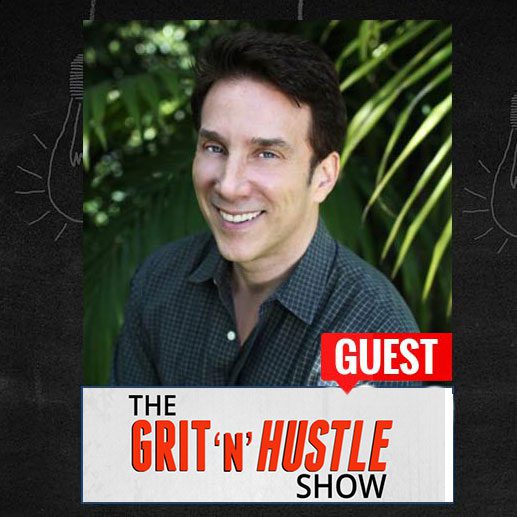
[vc_row row_type=”row” use_row_as_full_screen_section=”no” type=”full_width” angled_section=”no” text_align=”left” background_image_as_pattern=”without_pattern”][vc_column][vc_column_text]John Livesay is guest on the Grit ‘N’ Hustle show hosted by Tod Herman. In the episode you’ll learn:
- How John was fired from the same company twice, despite the fact that he was #1 in the company
- Why the attitude he took with each comeback was so important
- What motivated him to write his book
- The best way to sell yourself to an investor
- John’s best tips for pitching prospects, investors and clients
Tod Herman, founder and host of the Grit ‘N’ Hustle show created the 90 Day Year. A program for business owners who are frustrated with their level of performance and want a highly refined system to get out of their own way and see their business and personal leadership thrive.[/vc_column_text][vc_empty_space][vc_column_text]Listen Now![/vc_column_text][/vc_column][/vc_row]
TSP031 | Mike Edelhart – Transcription
Posted by John Livesay in Uncategorized | 0 comments
John Livesay:
Welcome to The Successful Pitch podcast. Today’s guest is Mike Edelhart, who is the lead partner at Social Starts. They’ve been investing in really big hits such as Pinterest and Boxed, which is Costco on your phone. Mike has so many great insights. He talks about hunting beyond the unicorn and that there are really four other types of animals to compare yourself to. There’s the rabbit, which goes very fast; think Vine. There’s a tortoise, which takes its time to become successful; like LinkedIn. Then there’s a bear, which can hibernate and go away, they had a company they invested in called Beacon Reader that did this and finally, there’s the hawk, which attacks really fast and that’s what Pinterest did.
He goes on to tell us what Pinterest used to look like when it first started and how they wanted to digitize the concept of magnets and pictures on you’re refrigerator and nobody cared. It wasn’t until people could follow the image of others that Pinterest really became Pinterest. Mike says that there’s so many ways to define an entrepreneur, but his favorite way is a socially accepted for of mania. I love that, but you don’t want to be narcissistic and you don’t want to be fear-based. You want to be right smack in the middle where you’re calm and confident and clarity is the key to being successful. Enjoy the episode.
Hi and welcome to The Successful Pitch podcast. Today’s guest is Mike Edelhart who is the lead partner for Social Starts Moment-Of-Inception investment fund and CEO of the Tomorrow Project. Mike has such an amazing background. I’m thrilled to have him on the show today. He’s involved with so many incredible startups that you’re very familiar with. We’re not going to talk about on the intro. He spent 13 years at Ziff Davis and he knows everything from how to analyze your handwriting to how to analyze whether a startup is a good pitch to fund. He’s the author of literally 22 books. I’ve never had anybody on the show with that much background. Mike, welcome to the show.
Mike Edelhart:
Thanks, great to be here.
John:
You have so much interesting insights and a great blog that I highly encourage everyone to follow, but I would love to hear, how did you go from running Ziff Davis to deciding to get into the Venture World and start Social Starts.
Mike:
Sure. Well, just to be perfectly accurate. I never actually ran Ziff Davis. I came in as an editor off the original executive editor of PC magazine and the editor of a lot of business publications and at the time the Ziff family sold, I was the executive VP. So, I’m a nerd. A nerd before it was fashionable to be a nerd and just happened to be fortunate enough to be in the science and writing about science at a time when science became much more essential to society and business than it ever had before and Ziff was, Ziff looked like a publishing company to the outside world and we published magazine, but inside it was a data-driven company determined to be at the center of the PC revolution, so we had those well-known magazines, but we also had the dominant research products in the market.
We owned C-Bold and Interop and conferences that were centered to the market, so we essentially were a partner to the PC revolution and all of us there. Jim Louderback who is part of our fund, myself, all the editors at Ziff got extraordinary experience of evaluating technology. We literally tested every single product and we created the basis for testing all the products, all the testing software, the methods, so we’ve learned a lot over that period of time about how technology actually works, how it’s spread out.
When the Ziff family sold a guy named Masayoshi Son from Japan bought Ziff and he bought Com, he actually bought all kinds of things and he took the money from all those companies and plotted in to the initial investment in a whole range of internet businesses and that’s how I got involved in technology just through interest.
I studied it in school and I always wanted to write about it. I got kind of involved in the tech scene through Ziff and then got involved in funding startups through Softbank and then started sitting on startup boards and came off some of those boards to run some startups and wound up as a partner in a big venture firm called Red Leaf here on the go and so I’ve really been doing this kind of work all along and our current fund, Social Starts is something Bill Lohse who worked along side me at Ziff and at Softbank was the original publisher of PC magazine, the president of Ziff when I was EVP.
John:
Wow.
Mike:
We felt that this revolution, the social mobile revolution would be by far the biggest scene. If you think about it, back in the day, when the PC first emerged, hardly anybody cared. The original circulation of PC magazine was 75,000 and back the point of view in the general population toward PCs was, that’s a curious weird thing and those sorry, you know, pretty much all guys, hanging out at the Trenton computer fair trading chips, you know, holding soldering guns, they can’t get dates, so this – and then think from that small population of weirdos what impact PCs had over the next couple of generations.
Same thing with the internet when the internet first emerged from Darpa and all the sort of university stuff to being the transport mechanism for distributed consumer computing. The world of folks who understood it were really part of a very small and very weird, those IETF – beads and sandals, hair down to their knees, strange guys.
Same thing, think about the impacts over the last couple of decades an now think about this revolution where right from the beginning it presented a human form. You want to gossip more? You want to date more? You want to get in touch with grandma and millions and billions of people care of this revolution from the beginning so we felt the impact would be absolutely extraordinary and wanted to be helpful so we created this fund as what we thought would be a natural sort of mechanism for a group of us in the later stages of our career to be helpful to the young teams creating the future.
John:
I love that. What I really think is interesting is the long term relationships you have from your Ziff Davis days, from the president and you being the EVP to now starting Social Starts with that same team. It just goes to the never ending, can never saying it enough, the importance of the team and the people you work with and who you start startups with, because Social Starts is in its own way is a startup.
Mike:
Well, it is, for sure. It’s very much a startup. The fund is only four years old and we agree affirmatively with you about the team. I talk to startup groups. I often point out that we could take, we’re the first investors in Boxed, which is essentially Costco on your smartphone and Chieh has done an incredible job there and we could take Chieh’s plan for his company and all of its details, those secrets, and we could give that plan to a hundred teams and 99 of them would fail.
John:
It’s all about the execution, isn’t it?
Mike:
Yeah and it’s not just about the execution. If a team decided that they were going to revolutionize bananas. Their bound by the fact that only so many people on earth eat bananas and as much as they might revolutionize how bananas are grown or transported or whatever. That’s still sort of a natural curve to certain behaviors that changes very slowly and that’s something we learned. An extraordinary entrepreneur going after a small idea can extract as much from it as possible, but it’s still a small idea. So, it’s that mix of, is this a great idea? Does it have big impact? Is this the team that understands this idea, loves one another in a fundamental way, and is capable of extracting value that’s there. So, we’re big on the team.
John:
So, would you say what makes the team at Boxed so successful is the culture they create and the ability to get along really well and be much more productive than another team would be?
Mike:
I think it’s not so much about sort of the kumbaya of we’re all friends here. I think the heart of it is clarity. What we’ve seen in the startups and we invest had what we call the moment of inception. We use that language to make it very clear that we want to be there at the beginning and not sort of floating around like a lot of early-stage, air quotes here.
So, at the early stage, the super early stage, one thing we know from experience is that most of what the team believes when they first talk to us will turn out not to be true and I think it was patent that the best-laid plan of the military survives until it encounters the enemy and that ‘s the same sort of thing with startups. When they hit the market, they find out what’s actually true and so they go through changes.
We call our conference Pivot for a reason and what’s critical is two things. One, that the team is always very clear about what the company is about and two, the leader is capable of taking that team through unexpected and sometimes radical changes. So, the company isn’t always about the same thing. Pinterest was on its third go to market when it really found what made it Pinterest and it wasn’t even called Pinterest when we invested at the beginning. So, the great teams follow their leader with discipline, but not with rigidity.
John:
I like that.
Mike:
Always know what they’re about and there are always about one thing, so I think if you took everybody in Boxed from Chieh through the most lonely employee and said, ‘what are we about’, you get the same story.
John:
I love that. Everybody singing from the same song book, basically, right?
Mike:
Everybody singing from the same song book and even if the hymn may change, everybody switches at the same time. I saw Zuckerberg do this at the latest FA conference and even at scale. I was very impressed by how he got up and said, last year Facebook was about this and now to a much greater degree, Facebook is going to be about that and everybody who follows me is going to show you how we’re now going to be about that and it was clear to that audience of developers what Facebook was saying and offering and expected from them and I think that kind of thing is how companies create value, create joy for themselves, which we think is really important. Teams that just love working together and get great joy from what they’re doing. They’re much more likely to succeed.
John:
So, there’s a little kumbaya in there that you have passion for what you do, basically.
Mike:
Yeah. Here’s what I said, well, a couple of things. One is that, and I’ve been doing this a long time, I’ve never yet worked with an entrepreneur whose stated motivation was to make money who succeeded.
John:
Great.
Mike:
And so what’s important for entrepreneurs to remember all the time that being a unicorn, becoming wealthy, getting a private plane, these are outcomes, these aren’t causes, these are effects and they’re controllable effects. So, if you go in with the expectation of I’m going to hit a home run every time I swing the bat. All you’re going to do is wrench your back, tear up your shoulders.
John:
What a great analogy. You said a couple of things Mike that I really want to hammer home for our listeners one is that you need to find CEO or a founder that has discipline without rigidity. We’re going to Tweet that out. That’s a great line. I love that line and that you’ve summed up the two things of success are clarity and having a leader that has unexpected and radical skill sets to change if need be.
Mike:
Right. It’s listening. I mean, so if you think about startups. I say often and I’ll say it here that being an entrepreneur is a socially acceptable form of mania.
John:
Great line.
Mike:
It’s not a normal behavior and if you woke up in the morning and felt like you were a normal person, you go get a job. So, everybody who is an entrepreneur has some drive inside that says, I’m different and I’m going to change the world. Now, there are very positive roots for that drive and there are some very negative roots for that drive, so on the one hand you can have narcissistic who are, I’m going to change the world because I’m the only person on earth who matters and I’m always right, and on the other hand you can have folks who are driven to succeed by deep fears and neuroses and both of those can lead to rigidity. I’m always right, so I don’t have to listen to the market.
We hear this all the time. They’re wrong, I’m right. I’m always right. I’ve always been right and those are companies that will often raise too much money, they’ll react too slowly. We’ve seen a few in the last week companies that are just suddenly cratered, because they resisted all signals from reality about what they ought to do and On the other side, the fear-driven CEO is a afraid to change.
John:
Oh got it.
Mike:
Can freeze between someone who feels they’re different, but that comes from a place of confidence and the team can feel it and they can feel it. They listen to the market and that doesn’t scare them. We were wrong. Now we’re going to do it again.
John:
Right. So, this entrepreneurship is a socially accepted form of mania is really I think one of the best lines I’ve ever heard. We’re going to tweet that out for sure and that you’re really saying that’s, you know, that mania can’t be narcissism, where you think you’re always right and you won’t listen to the marketplace or our investor nor can you come from a total place of fear all the time. You have to be in that happy medium space where you still have confidence to listen and adapt and pivot.
Mike:
That’s correct and if what it produces in the leader, the CEO, is calm. If you really, you know, in the dark of the night, when everything is going wrong and all of your presumptions, things you’ve said out loud and you raised money on turned out not to be true. If you can still believe in yourself and believe in your ability and your ability with your team to find a way to win, you’re relaxed and they look at you and go, the leader is fine. We’re fine. We’re all going to be fine and they’re relaxed.
John:
Right. It trickles down.
Mike:
Yeah.
John:
Well, this great blog you wrote. ‘Hunting Beyond the Unicorn’ is what I really want to dive into, because it’s got so many wonderful images. Talk a little bit about what the unicorn is and what it looks like, but you know, just the fact that you and Social Starts were one of the first investors in Pinterest is a topic that we could spend a whole podcast on.
We want to talk about that, but just to give the audience the other four animals besides the unicorn. There are rabbits, tortoises, bears, and hawks. So, let’s take a minute and go through what each one is and what you say here about sizing isn’t what matters, only return matters. Can you talk a little bit about that and being one of the first investors in Pinterest, you alluded to it earlier, so I just want to dig in a little bit, because everyone is fascinated that Pinterest wasn’t Pinterest. So, if you could tell us what it looked like in the beginning.
Mike:
Sure. Well, let me respond first to the question of size doesn’t matter, only returns matter. We’re a small fund. We’re a moment-of-inception fund. So, we’re there at the very beginning and a unicorn is a very rare, you know, I point out that unicorns are mythological. I think it’s after the seventh raise is the median for when companies get to being a unicorn.
So, that’s years and years and years and years away and hundreds of millions of dollars will be raised to cause that to happen, so it’s a very rare outcome and a very far away, almost unpredictable outcome in that sense. Somebody’s going to win the lottery, but the chances of you winning the lottery are functionally zero. It’s about the same thing. I think I saw in some report that it’s .068% of startups become unicorns.
John:
Wow. Okay.
Mike:
So, if all we did was try to get unicorns, we’d be in a state of shock all the time, because it’s impossible and Pinterest is a good example, so we invested in a company called Cold Brew Labs. It was three very young, very bright fellows who were working and sleeping in a seedy little pool house behind kind of derelict old office building in south Palo Alto and they were toying around this notion that so many people put visually oriented magnets and little pieces of paper and photos on the refrigerators that it must mean something. So, they were going to replicate that behavior digitally and see what happens and when they did it at first, nothing happened. Nothing happened. Here you can now do this –
John:
Nobody cared.
Mike:
The reaction of the universe was complete indifference and Guy Kawasaki, one of his good lines is, the enemy of startups isn’t the competition, it’s indifference. The entire world wakes up in the morning and goes, we don’t know you exist and if we did know you exist, we wouldn’t care to exist. Life is fine without you and overcoming that tremendous weight of indifferent is what companies have to do and so, you know, Ben and his co-founders. They have that characteristic.
So, they tried it and it didn’t work, but is there anything they could learn from that and they just kept experimenting with it and looking at different aspect of it and then this notion emerged of not just being able to pin the images, but essentially being able to follow the images of others and then all hell broke loose, because it turned out what really mattered was not just those shoes, but that the woman I most want to be, the queen of the church ladies wore those shoes or an Olympic athlete wore the shoes or a Kardashian wore those shoes and the capacity of these images in aggregate to basically be a picture of the inside of someone else’s head and the aspirant desire. I want to be like her.
That’s when Pinterest became Pinterest, but it was the third sort of version of it that began and to his credit, when he saw that effect, watching the numbers, this behavior started to deviate he jumped on it and with everything. No doubt, no – well, we should know. We found it, that’s it, we’re going for it and that openness to the market and experimentation and charge and not panicking, not giving up, not spending a lot of money, being willing to be nobody has ever heard of them until there’s a real belief that they’re on to something and then taking great risks to seize the opportunity.
That’s how Pinterest became Pinterest, but he wasn’t trying to become a unicorn. He was trying to solve a problem and take this approach as far as he could take it and it turned out he was fortunate and got a hold of almost limbic access to consumers in a way that it had never been done before and it turned out to be very valuable and he’s still doing it. The way they’re generating revenue is very careful, very controlled, really almost studious. They’re not going to run off half-cocked and do anything and that group has been like that since the beginning.
John:
They’re just now starting to take advertising or experimenting with advertising, correct?
Mike:
Turn out with revenue generation. I think, from all you heard, it’s tilting toward commerce.
John:
Shoppable pins.
Mike:
Yeah, because of the way Pinterest works and because it’s had such power, a driving, of consumers into retail sessions. There’s sort of obvious opportunity to say, you know, if you want to buy that, we can make that happen.
John:
You can. Make it easy. What was it about him at the very beginning when he just said, you know, let’s figure out a way to digitize the concept behavior of putting images and magnets on people’s refrigerators. What was it about him or the idea that you guys said we want to invest in this in the beginning?
Mike:
Right. Well, so I want to be really clear. My partner Bill went out a lot. We look a lot smarter than we actually were in this. So, we didn’t invest in Ben saying, ah. Well, there’s the unicorn of the future. We’ve done just under 200 investment in the last five years and this was actually before we set-up the current fund. So, probably go back to them, we’ve done maybe 230-240 investments and we believed in all of them, but what came through in Ben, I think, was that even though he was quite young of being very serious, very numbers driven, very calm, and not afraid.
So, we’ve felt that this was a really interesting idea. We had felt those of us from media for a while that what we call the visual vocabulary would matter that if images hit human beings at levels. Words do not and the capacity to start up moving images around in new ways was like to have a tremendous amount of power, because just the nature of images and so we were wide open to teams that were experimenting there.
John:
Well, for the listeners. You just gave some really great information on the impression that an investor like you needs to have when you’re pitching. Be calm, be serious, know your numbers, and don’t be afraid. In other words, be competent. Those are four key things that are huge for everyone listening trying to figure out how do I pitch something and be a successful as Pinterest ideally, but at least how do I get in the door that what makes people want to say yes. So, let’s dive into these animals. So, we all know what a unicorn is. The rabbit you talk about is startups that sprint to success. They get acquired too quickly and you were giving Vine as an example.
Mike:
Not too quickly, but they get – so, we’re investors and I think one of the particularities is somebody’s whose team will touch 3,000-3,300 companies this year. We see a lot of startups that teams that are obsessive about their customers if you ask an entrepreneur, tell me about your customer, they go on for hours. They act as if all investors are the same and all money is the same.
They don’t do their homework and they aren’t really thinking about who they’re talking to and just blast out what their, how they’re going to change the world and never even ask, “Is this what you people do?” And so for example, we’ve never invested in hardware. Period. We just too small. So, you can talk about hardware all day long and it doesn’t matter how interesting or fascinating, we’re just aren’t going to do it. So, you can save yourself lots of time just by doing your homework.
So, recognizing that there’s a human being on the other side of the table and that human being is doing investing for some reason on behalf of some group and who is that group? Rich family? Russian oligarchs? And in our case, we have a history of doing this well for a long period of time for better of worse. Part of our sort of standard line on the fund is among our team we’ve added at least one unicorn in each decade since the 1980s, so that’s good, but that means folks expect big returns from us. So, looking for significant returns. So, you know, 8x, 10x, more.
So, when of those – when you’re talking to me, when you’re talking to any of the Social Start partners and in the back of our head it’s always, ‘how could this produce a really big return, because that’s what our investors expect from us. Now, one way to produce a big return is become Pinterest, become worth billions of dollars and that’s kind of obviously if that happens, but another way to produce big returns is to raise four million dollars and sell your company for 100.
John:
Hello, yes.
Mike:
And so in the case of rabbits, if you happen to either buy a dint of brains or just luck or good timing, get on to an idea at exactly the moment it takes off. The market may wake up to you very quickly. Meerkat and the other real time streaming companies Periscope and all that are good examples of that that they came into awareness and created value almost instantly because the market interest and the technology sort of happened right on top of another. That’s where rabbits can happen.
John:
Got it. Love it. So, let’s talk about tortoises for a second. Obviously the opposite of a rabbit and you used LinkedIn as an example of a tortoise. Define what a tortoise is and how that fits LinkedIn if you would.
Mike:
Sure. There are a couple of tortoises in there as well. LinkedIn is pretty simple. LinkedIn was around for years, years. Eight years, nine years as this kind of redheaded step-child among the startups. It’s growth curve is a classic power curve that sort of goes slowly and then it starts to slope up. So, it was anything but an overnight success and yet, I haven’t double checked these numbers lately, but as of last summer, LinkedIn was by far the most efficient user capital among any of the startups.
In other works, the original investors in LinkedIn made more money on their money than the original other startups because they didn’t rush. They took their time and it’s a network effect, so they basically had to have everybody before it became very valuable and so there’s nothing they could do about it. If they tried to make LinkedIn overnight, it would have collapsed. You couldn’t do it that way and so they were – their growth was very appropriate to their idea. So, some ideas just take a long time.
John:
Yeah, you have to be patient. Now, the next animal is a bear, which you talk about much like spring and winter and you have an example that you at Social Starts have invested in called Beacon Reader, the original idea wasn’t going so well, they pulled back on expenses, literally took themselves into Y Combinator and re-focused. I’m really interested in that because so many founders say I’m too experienced, I’m not going to go to an accelerator. I’m not going to start all over again. So, I love to hear your definition a little bit of a bear and what Beacon Reader, why Beacon Reader is a good bear.
Mike:
Sure, absolutely. So, the idea of a bear, again, there are a couple of aspects to it. One is sometimes and relatively often the ideas the team has when it starts aren’t true. They turn out not to be right. So, sometimes those pivots are challenging. You have to completely re-think the assets, what the team is going to do, the market, maybe you’ve run through your initial money and so the only way to survive long enough to have an opportunity to win in those cases is to pull back, go into the cave, to cut back calories, to conserve energy and then the other scenario is external, so tech revolutions go through, it appears, the ones we have all seen have all had these patterns, kind of predictable patterns of something new happens technologically. It is now possible to do VR without wearing a headset, it isn’t, but let’s say two years from now.
John:
3D without the glasses almost.
Mike:
3D without the glasses where it’s almost 2.2D without the glasses right now. When that happens, there are all kinds of writing about it, everyone gets excited, There’s an initial bloom of user acceptance because the folks that have been waiting for this for a long time jump on it. There’s a hit or two and based on that, all of a sudden all kinds of money flows in and there’s a 100 companies doing it and there’s this spring of all kinds of activity and everybody’s writing about ‘it’s here, VR is the new thing. It’s the VR universe. It’s the VR century. VR America.’ and that goes on for maybe a year and then the early companies either get bought by bigger players or go under some of the pioneers frustrated and tired, because it’s never as easy as they think and then there’s this winter of discontent where suddenly there are a lot few companies and the Wall Street Journal is writing about, why don’t investors care about instant VR anymore? And you’ll get this knee jerk, oh, that happened and it was over, but,in fact, it’s not over, because what comes out of those winters of discontent is a long summer of success.
So, if you go back to, oh, the time where everybody was writing about the internet, advertising is dead in the 2000s, but everybody who bought into companies at that point, every company that survived that period of kind of disinterest is worth of a lot of money now. The investors of the company. So, that’s the idea of a bear. It can see that’s coming, you pull back, you get rational, you take in one dollar more than you spend, so that you can still be around when the market turns and when it does, you’ll suddenly start accumulating value, so it’s husbanding your resources, because you need to to find an idea that’s going to work or because you need to survive until the market comes back around.
John:
And then your fourth and final animal is a hawk, which attacks with total ferocity. Remember the team behind Tote? Well, that’s what became Pinterest and we’ve talked a lot about Pinterest. So, take a minute and say what is the hawk as compared to the rabbit, tortoise, and bear.
Mike:
So, the idea behind the hawk is and again, this isn’t really entirely – it’s emissary, mutually exclusive. One thing can turn into the other; is about this suddenness of attack. The, let me see if I can describe this right. When you realize – so ideas tend to come up – as smart as entrepreneurs are, it’s very, very rare to find an entrepreneur who is uniquely smart. So, what that means is ideas tend to pop up like mushrooms more a less at the same time in multiple places. So, here’s a team on the east coast that suddenly realized you can do real time streaming and here’s a team on the west coast and here’s a team in China and there’s three guys in Poland.
John:
It’s like The Tipping Point in Malcolm Gladwell’s thing, right? Mass consciousness.
Mike:
Yeah, exactly. So, that means unless it’s extremely rare circumstance, you’re going to have competitors and one of the other areas where startups sometimes kind of fall down in their analysis is they under recognize both the importance of and the impact of competitors. So, they’ll say we don’t have any and as experienced folks we’ll say, yes, you are. If you don’t that’s not a great sign and they won’t be idiots and they won’t be terrible and your success will attract them. So, given your success will attract competitors, the degree to which you can get radically big, radically fast relative to your opportunity is really important.
John:
That’s great. I mean, for me that’s Uber versus Lyft which is the classic example of that, right? So, let’s just recap really quickly. So, we have the obvious unicorns that everybody knows about. Uber I would say is a unicorn and then we have Vine as the rabbit, which is quick to market and then we have the tortoise.
The example there is LinkedIn taking their time and then the bear is someone who hibernates for a while and comes back like Beacon Reader did and then finally is the hawk, which is the classic example of Pinterest. This has been so useful and so helpful. I can’t thank you enough for giving us your brilliance, Mike, on all these great images, and it allows all of the founders listening to figure out what animal am I and who am I talking to when I’m pitching that and what references can I give. Mike, how can people follow Social Starts, follow your amazing blogs, etc?
Mike:
Sure. Everything we do and my blog is up at SocialStarts.com and we put it out through our social challenges, so follow Social Starts pretty much anywhere and we will get it to you and we love hear from folks. So, we welcome input companies and you can tell us about yourself on the website or link to me or one of my other partners. We invest on both coasts and even in some companies origin outside of the US when they’re coming to the US or world market. So, if there are folks out there – and in social/mobile, again, look at what we do. Media analytics, mobile, commerce, internet of things, software, and work platforms. In any of those areas we would love to hear about.
John:
Terrific. Since you’ve written so many books yourself and I know you referenced Guy’s great quote earlier, but is there one book or one philosophy that you would want to leave the listeners with that you would say, you know what, read this book or here’s my big piece of advice?
Mike:
Well, it’s not a current book and its sort of hard reading, it’s all about human beings. There’s only one set of human beings on the planet. Every success on earth is trying to get a little slice from the behavior of human beings and one of the more extraordinary books I’ve ever read about the behavior of human beings in society is called Extraordinary Popular Delusions and The Madness of Crowds. It was written in the 19 century about the overarching exuberance of those times. The fads, the coffee fad, and it’s really useful to understand how people behave in groups and then how it’s possible to be calm, more logical, and actually see the truth that tulips aren’t actually valuable no matter what is causing folks to act.
So, look at that. Think, find ways to think is what I’d say. If you can think clearly and have clear ideas, you can act clearly. So, all these sort of business books and the business tidbits, they’re fine, but read some philosophy. Find some clarity. My partner is a practicing zen Buddhist. His calm is illuminating for us as a fund. So, I think it’s much more about that than it is about any particular listicle about 12 things you should do to succeed. That’s your best option.
John:
That’s great. I can see why you recommend that book because it really ties into what you’ve been saying the whole interview, which is the more calm and logical you are as a founder and the more clarity you have, as you said, think clearly and act clearly, the more successful you’re going to be. Thanks again Mike for joining us.
Mike:
My pleasure. Thanks a lot.